

The best relationship books for couples fall into three camps: research-backed frameworks like The Seven Principles for Making Marriage Work, my pick for best overall thanks to its decades of clinical data behind every chapter; structured workbooks like the Couples Therapy Workbook, which suits couples who want guided exercises over theory; and communication-focused guides like Fight Right, built for couples stuck in recurring arguments. The main tradeoff is depth versus accessibility — dense, science-heavy books deliver more lasting insight but demand more effort, while workbooks produce quicker wins with less explanation of why the exercises work. Couples healing from betrayal face a separate decision entirely, which is where Rebuilding Trust earns its place. Keep reading for the full breakdown of all 14 titles.

Get gifts for the two of you delivered free — and shop member deals
- Fast, free delivery on millions of items
- Access to Prime Big Deal Days deals on October 6–7
- Prime Video, Amazon Music and more included
Key Takeaways
- Books grounded in published clinical research (The Seven Principles, Attached, Fight Right) consistently offered more durable frameworks than opinion-based titles, but required more reading commitment.
- Workbooks with timed programs — the 8-week Relationship Workbook for Couples and the 30-conversation Couples Therapy Workbook — were the fastest route to behavioral change, though they explain less about why the exercises work.
- Attached was the only pick that changes how you read yourself, not just your partner; its attachment-style lens explained conflict patterns the communication books couldn’t.
- The 5 Love Languages remains the easiest entry point but is too thin as a standalone fix for couples in serious conflict — it works best as a gateway to deeper books.
- Trust-recovery titles (Rebuilding Trust, the 8-week program) should be chosen by the severity of the breach, not by price or popularity, because they assume a level of hurt that general communication books don’t address.
| Couples Therapy Workbook: 30 Guided Conversations to Re-Connect Relationships |  | Best Structured Workbook | Format: Paperback / Digital | Type: Guided workbook | Structure: 30 guided conversations | VIEW LATEST PRICE | See Our Full Breakdown |
| Communicate Your Feelings (Without Starting a Fight): What to Say and What Not to Say to Your Partner |  | Best for Defusing Conflict | Format: Paperback / Digital | Type: Communication skills guide | Focus: Conflict-free emotional expression | VIEW LATEST PRICE | See Our Full Breakdown |
| Rebuilding Trust: Guided Therapy Techniques and Activities to Restore Love, Trust, and Intimacy in Your Relationship |  | Best for Healing After a Breach of Trust | Format: Paperback | Type: Therapy-based self-help book | Focus: Rebuilding trust, love, and intimacy | VIEW LATEST PRICE | See Our Full Breakdown |
| Love More, Fight Less: Communication Skills Every Couple Needs | 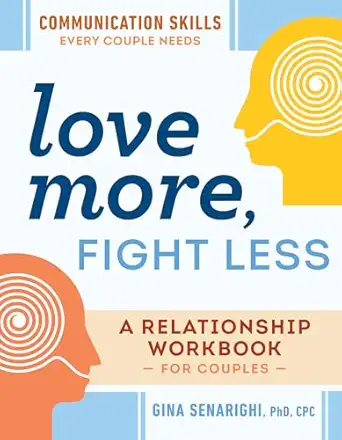 | Best Overall Communication Workbook | Format: Paperback | Type: Relationship workbook | Focus: Communication skills and conflict resolution | VIEW LATEST PRICE | See Our Full Breakdown |
| Attached: The New Science of Adult Attachment and How It Can Help You Find—and Keep—Love | 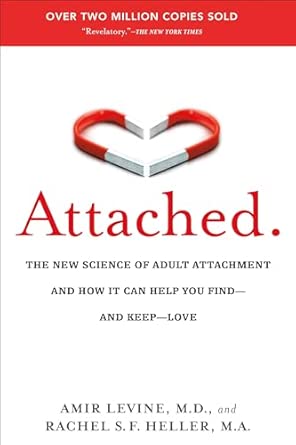 | Best for Understanding Why You Relate the Way You Do | Format: Paperback / Digital / Audiobook | Type: Psychology-based relationship guide | Focus: Adult attachment styles | VIEW LATEST PRICE | See Our Full Breakdown |
| Communication Skills for Couples: Guide to Improve Communication, Resolve Conflict, Deepen Intimacy, Strengthen Marriage, and Create a Healthy Relationship |  | Best Budget-Friendly Primer | Format: Paperback | Primary Focus: Communication, conflict resolution, intimacy | Audience: Couples and married partners | VIEW LATEST PRICE | See Our Full Breakdown |
| Getting the Love You Want: A Guide for Couples, Third Edition |  | Best for Understanding Deep Relationship Patterns | Format: Paperback, Third Edition | Primary Focus: Imago relationship theory, emotional patterns | Audience: Committed couples seeking deeper self-understanding | VIEW LATEST PRICE | See Our Full Breakdown |
| His Needs, Her Needs: Making Romantic Love Last |  | Best for Long-Married Couples | Format: Paperback | Primary Focus: Ten emotional needs framework | Audience: Long-term married couples | VIEW LATEST PRICE | See Our Full Breakdown |
| The Ultimate Relationship Workbook for Couples: Simple Exercises to Improve Communication and Strengthen Your Bond |  | Best Hands-On Workbook | Format: Workbook (paperback) | Primary Focus: Couple exercises for communication and bonding | Audience: Couples preferring active practice over reading | VIEW LATEST PRICE | See Our Full Breakdown |
| Fight Right: How Successful Couples Turn Conflict Into Connection |  | Best for Conflict-Heavy Couples | Format: Hardcover | Primary Focus: Conflict transformation and productive arguing | Audience: High-conflict couples seeking better fights | VIEW LATEST PRICE | See Our Full Breakdown |
| The 5 Love Languages: The Secret to Love That Lasts |  | Best Overall | Author: Gary Chapman | Format: Paperback, hardcover, audiobook, e-book | Core Framework: Five love languages | VIEW LATEST PRICE | See Our Full Breakdown |
| The Seven Principles for Making Marriage Work: A Practical Guide from the Country’s Foremost Relationship Expert |  | Best Research-Backed Pick | Author: John Gottman, PhD and Nan Silver | Format: Paperback, e-book, audiobook | Basis: Gottman Institute clinical research | VIEW LATEST PRICE | See Our Full Breakdown |
| How We Love Workbook, Expanded Edition: Making Deeper Connections in Marriage | 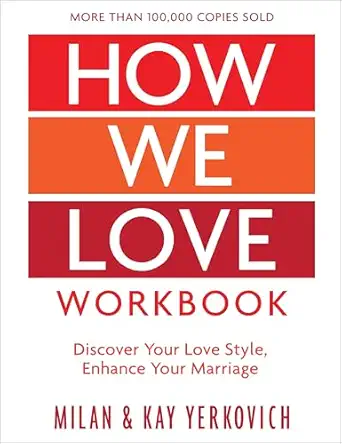 | Best for Deep Emotional Work | Authors: Milan and Kay Yerkovich | Format: Paperback workbook | Edition: Expanded edition | VIEW LATEST PRICE | See Our Full Breakdown |
| Relationship Workbook for Couples: 8-Week Program and Proven Strategies to Rebuild Trust, Resolve Conflict, Improve Communication, and Rekindle Intimacy |  | Best Structured Program | Format: Paperback workbook | Program Length: 8 weeks | Focus Areas: Trust, conflict, communication, intimacy | VIEW LATEST PRICE | See Our Full Breakdown |
| relationship books for couple | Format | Approach | Audience |
|---|---|---|---|
| Couples Therapy Workbook: 30 G | Paperback / Digital | — | — |
| Communicate Your Feelings | Paperback / Digital | Scripts and phrasing examples | — |
| Rebuilding Trust: Guided Thera | Paperback | Guided techniques and activities | — |
| Love More | Paperback | Exercises plus guidance | — |
| Attached: The New Science of A | Paperback / Digital / Audiobook | Research-backed explanation and insight | — |
| Communication Skills for Coupl | Paperback | Practical strategies and guidance | Couples and married partners |
| Getting the Love You Want: A G | Paperback, Third Edition | Psychological theory with couple exercises | Committed couples seeking deeper self-understanding |
| His Needs | Paperback | Prescriptive, action-oriented advice | Long-term married couples |
| The Ultimate Relationship Work | Workbook (paperback) | Exercise and activity-based | Couples preferring active practice over reading |
| Fight Right: How Successful Co | Hardcover | Research-based strategies and frameworks | High-conflict couples seeking better fights |
| The 5 Love Languages: The Secr | Paperback, hardcover, audiobook, e-book | Concept-based with practical advice | Dating, engaged, and married couples |
| The Seven Principles for Makin | Paperback, e-book, audiobook | Research-based with couple exercises | Married and long-term committed couples |
| How We Love Workbook | Paperback workbook | Guided exercises and reflection prompts | Married couples seeking emotional depth |
| Relationship Workbook for Coup | Paperback workbook | Structured weekly exercises and strategies | Couples in conflict or rebuilding trust |
More Details on Our Top Picks
Couples Therapy Workbook: 30 Guided Conversations to Re-Connect Relationships
This option stands out for its 30 guided conversation format, which gives couples a clear roadmap rather than vague advice to interpret on their own. Compared with Love More, Fight Less, which teaches communication skills in a broader way, this workbook is better suited to pairs who want a session-by-session structure they can work through together over weeks. Each conversation builds on the last, so couples who commit to the sequence tend to see momentum. The tradeoff is real, though: this only works if both partners participate, and skipping around undermines the design. Readers hoping for deep theory, like the attachment science in Attached, will find the framing here thin — this pick makes the most sense for doing, not studying.
Pros:- 30 clearly structured conversations create a step-by-step path
- Low-pressure format works for couples hesitant about formal therapy
- Practical prompts get couples talking instead of just reading
- Progressive design builds momentum over time
Cons:- Requires sustained commitment from both partners to see results
- Light on the psychological theory behind the exercises
Best for: Couples who want a structured, week-by-week program they can work through together at home
Not ideal for: Couples where one partner won’t participate, or readers who want research-backed theory before exercises
- Format:Paperback / Digital
- Type:Guided workbook
- Structure:30 guided conversations
- Focus:Communication and reconnection
- Reading Style:Interactive, couple-based
- Language:English
- Best Use:Weekly couple sessions at home
Our verdict“Buy this if you and your partner want a do-it-together conversation program more than a book to read alone.”
Communicate Your Feelings (Without Starting a Fight): What to Say and What Not to Say to Your Partner
Where Love More, Fight Less takes a broad workbook approach, this book narrows to one specific skill: raising difficult feelings without triggering a blowup. That focus is its strength — the what to say and what not to say framing translates directly into scripts couples can use the same evening. This pick makes the most sense for couples whose arguments escalate quickly and who need tactical language, not a full program. Compared with the Couples Therapy Workbook, it demands far less time commitment, which is a genuine advantage for busy or reluctant partners. The tradeoff is depth: it won’t rebuild a relationship the way a structured workbook or a trust-focused book like Rebuilding Trust can, and readers dealing with serious breaches of trust should look elsewhere.
Pros:- Highly specific focus makes advice immediately actionable
- Script-based approach works for partners skeptical of relationship books
- Short time commitment compared with multi-week workbooks
- Directly targets escalation during hard conversations
Cons:- Narrow scope won’t address underlying relationship problems
- Limited depth on emotional root causes of conflict
Best for: Couples who fight often and want concrete phrasing to raise sensitive topics calmly
Not ideal for: Couples dealing with deep trust damage or those wanting a comprehensive relationship program
- Format:Paperback / Digital
- Type:Communication skills guide
- Focus:Conflict-free emotional expression
- Approach:Scripts and phrasing examples
- Time Commitment:Low — single-topic read
- Language:English
- Best Use:Quick, practical conflict prevention
Our verdict“Choose this if your main problem is how fights start, not the relationship itself.”
Rebuilding Trust: Guided Therapy Techniques and Activities to Restore Love, Trust, and Intimacy in Your Relationship
This pick occupies a distinct niche in the lineup: while most options here, like Love More, Fight Less, focus on everyday communication, this one targets repairing relationships after trust has been broken. Its therapy-derived techniques and activities give couples a guided healing process rather than generic pep talk, which matters when the stakes are the relationship’s survival. Compared with the Relationship Workbook for Couples: 8-Week Program, this book goes deeper on the specific psychology of betrayal and repair. The honest tradeoff: it is the most emotionally demanding title in this batch, and progress requires genuine effort from both partners — a half-hearted attempt through these exercises tends to fail. Couples with only mild friction will find it heavier than they need.
Pros:- Focused specifically on trust repair, a gap in most relationship books
- Therapy-based techniques rather than pop-psychology platitudes
- Includes activities, not just concepts, to guide healing
- Addresses intimacy restoration alongside trust
Cons:- Emotionally demanding — both partners must be fully committed
- Too heavy for couples without serious trust damage
Best for: Couples recovering from infidelity, betrayal, or a serious breach of trust who are both willing to do repair work
Not ideal for: Couples with ordinary communication friction — the intensity will feel like overkill
- Format:Paperback
- Type:Therapy-based self-help book
- Focus:Rebuilding trust, love, and intimacy
- Approach:Guided techniques and activities
- Intensity:High — repair-focused work
- Language:English
- Best Use:Post-betrayal recovery for committed couples
Our verdict“This is the pick when the relationship has a real wound to heal, not just habits to polish.”
Love More, Fight Less: Communication Skills Every Couple Needs
This is the most balanced entry in the batch, which is why it earns the top overall slot. It blends core communication skills with hands-on exercises, sitting between the single-issue focus of Communicate Your Feelings and the heavier 30-session commitment of the Couples Therapy Workbook. That middle position makes it the easiest recommendation for the widest range of couples — newlyweds, long-term partners, and couples in a rough patch can all extract value without signing up for an intensive program. Compared with Attached, it skips the theory entirely, which some readers will see as a loss; if you want to understand why you communicate badly, the attachment-style book explains more. This one is for couples who want exercises and immediate tactics. The main limitation is that its breadth means no single conflict area gets exhaustive treatment.
Pros:- Balanced mix of teaching and exercises suits most couples
- Broadly applicable from new relationships to long marriages
- Lower commitment than intensive multi-session workbooks
- Practical exercises produce changes you can apply right away
Cons:- Breadth means no single issue is covered exhaustively
- Minimal theoretical or research background for curious readers
Best for: Couples wanting an all-purpose communication workbook without an intensive multi-week commitment
Not ideal for: Readers who want scientific grounding or deep single-topic treatment of one specific problem
- Format:Paperback
- Type:Relationship workbook
- Focus:Communication skills and conflict resolution
- Approach:Exercises plus guidance
- Commitment Level:Moderate
- Language:English
- Best Use:General relationship communication improvement
Our verdict“If you want one well-rounded workbook to improve how you and your partner talk, start here.”
Attached: The New Science of Adult Attachment and How It Can Help You Find—and Keep—Love
Every other book in this lineup tells you what to do; Attached explains why you and your partner behave the way you do. Its breakdown of anxious, avoidant, and secure attachment styles gives couples a shared vocabulary that can defuse blame on its own — a different mechanism entirely from the exercise-driven Love More, Fight Less. This pick makes the most sense for intellectually inclined readers and for couples stuck in repetitive pursue-withdraw cycles that no amount of communication scripts seems to fix. The tradeoff is that it’s the most theory-heavy title here: there are no worksheets, and partners who want concrete weekly activities will find it abstract compared with the Couples Therapy Workbook. It also rewards slow reading — rushing it means missing the self-recognition that makes it work.
Pros:- Attachment-style framework explains long-standing patterns, not just symptoms
- Well-researched grounding rare among relationship books
- Gives couples a blame-reducing shared vocabulary
- Valuable for singles choosing partners as well as established couples
Cons:- Theory-heavy — no exercises or structured activities
- Requires patient reading to apply concepts to your own relationship
Best for: Couples and individuals who want a research-based framework to understand their relationship patterns
Not ideal for: Action-oriented readers who want exercises and scripts rather than theory
- Format:Paperback / Digital / Audiobook
- Type:Psychology-based relationship guide
- Focus:Adult attachment styles
- Approach:Research-backed explanation and insight
- Commitment Level:Higher — concept-dense reading
- Language:English
- Best Use:Understanding recurring relationship dynamics
Our verdict“Read this before the workbooks if you want to understand the pattern driving your conflicts.”
Communication Skills for Couples: Guide to Improve Communication, Resolve Conflict, Deepen Intimacy, Strengthen Marriage, and Create a Healthy Relationship
For couples who want a straightforward, low-commitment entry point into couples communication work, this guide covers the essentials without demanding a major reading investment. Compared with Fight Right, which goes deep on the psychology of conflict, this book takes a broader, lighter touch — communication basics, conflict resolution, and intimacy all get covered, though none in great depth. That breadth is the tradeoff: readers dealing with a specific recurring problem will likely outgrow it quickly, whereas The Ultimate Relationship Workbook for Couples offers hands-on exercises for those who want to practice rather than just read. With limited review history and unclear author credentials, this pick makes the most sense as an inexpensive first step rather than a definitive reference.
Pros:- Covers communication, conflict, and intimacy in one affordable volume
- Accessible writing style suited to first-time readers of relationship books
- Practical strategies rather than abstract theory
- Low financial risk for curious buyers
Cons:- No visible customer reviews or ratings to validate quality
- Author credentials and content depth are unclear
- Broad coverage means little depth on any single topic
Best for: Couples new to relationship books who want an affordable, broad overview before committing to a longer or more expensive title
Not ideal for: Couples facing a specific entrenched conflict pattern — the coverage is too shallow to address serious recurring issues
- Format:Paperback
- Primary Focus:Communication, conflict resolution, intimacy
- Audience:Couples and married partners
- Approach:Practical strategies and guidance
- Reading Level:Beginner-friendly
- Exercises Included:No — primarily guidance-based
Our verdict“A cheap, broad starter read for couples testing the waters — not the book for solving a specific, serious problem.”
Getting the Love You Want: A Guide for Couples, Third Edition
This third edition of Harville Hendrix’s classic stands out for its psychological depth — it digs into why partners fall into repetitive negative cycles, drawing on imago theory to explain unconscious patterns partners bring from childhood. Compared with His Needs, Her Needs, which is more prescriptive and checklist-like, this book asks couples to do real reflective emotional work rather than simply ticking off needs. The tradeoff is effort and density: it reads heavier than Communication Skills for Couples and demands that both partners engage honestly with the exercises. Some readers find the theory dated or overly generalized, and couples in crisis may want something faster-acting. For those willing to go deep, it offers more lasting insight than most entry-level titles in this roundup.
Pros:- Backed by decades of clinical reputation and multiple editions
- Explains root causes of recurring conflict, not just surface tactics
- Includes structured exercises couples can do together
- Strong framework for understanding partner selection and patterns
Cons:- Dense, theory-heavy writing that some couples abandon partway
- Requires buy-in from both partners to work effectively
- Some concepts feel dated to modern readers
Best for: Couples who feel stuck in repeating negative cycles and want to understand the psychological roots, not just manage symptoms
Not ideal for: Couples wanting quick fixes or light reading — the theory-heavy approach requires sustained effort from both partners
- Format:Paperback, Third Edition
- Primary Focus:Imago relationship theory, emotional patterns
- Audience:Committed couples seeking deeper self-understanding
- Approach:Psychological theory with couple exercises
- Author Background:Renowned couples therapy authors
- Reading Level:Intermediate — theory-driven
Our verdict“The pick for couples ready to unpack deep-seated patterns together — skip it if you want fast, tactical fixes.”
His Needs, Her Needs: Making Romantic Love Last
Willard Harley’s framework of ten emotional needs gives long-term couples a concrete vocabulary for what’s missing in their marriage. Where Getting the Love You Want looks backward at childhood patterns, this book is forward-looking and prescriptive: identify your top needs, learn your partner’s, and act on them deliberately. That structure makes it especially effective for marriages that have drifted into routine — the material on affairs of the heart and romantic love erosion hits differently for twenty-year marriages than for new couples. The tradeoffs are real: the heteronormative framing baked into the title and examples can feel outdated, and the advice occasionally leans simplistic compared with the research grounding of Fight Right. Still, few books are this direct about sustaining romantic love over decades.
Pros:- Concrete ten-need framework that’s easy to discuss as a couple
- Directly addresses romantic love erosion in long marriages
- Highly actionable rather than purely theoretical
- Long track record as a bestselling marriage title
Cons:- Heteronormative framing limits relevance for many modern couples
- Simplistic in places compared with research-based alternatives
- Gender-based assumptions may irritate some readers
Best for: Long-married heterosexual couples who feel more like roommates than partners and want a clear, actionable framework
Not ideal for: Same-sex couples and readers sensitive to traditional gender roles — the framing assumes a husband-wife dynamic throughout
- Format:Paperback
- Primary Focus:Ten emotional needs framework
- Audience:Long-term married couples
- Approach:Prescriptive, action-oriented advice
- Structure:Needs identification and satisfaction strategies
- Reading Level:Easy to moderate
Our verdict“A practical classic for traditional long-term marriages that need a concrete needs-checklist — outdated framing makes it a poor fit for everyone else.”
The Ultimate Relationship Workbook for Couples: Simple Exercises to Improve Communication and Strengthen Your Bond
This is the pick for couples who learn by doing rather than reading. Instead of chapters of theory, it delivers simple, structured exercises couples complete together — a format that suits partners who would never finish a dense title like Getting the Love You Want but will sit down for a ten-minute activity. Compared with Communication Skills for Couples, which explains concepts, this workbook forces actual practice, which is where behavior change actually happens. The tradeoff: exercises without underlying context can feel mechanical or repetitive, and couples with deeper trust issues will find it too shallow — Rebuilding Trust or Fight Right would serve them better. With no established review history, buyers are taking a chance, but the low barrier to entry makes that risk small.
Pros:- Low-effort entry point — exercises fit into short sessions
- Done-together format builds connection through shared activity
- No theory prerequisite needed to start
- Cheaper and faster than therapy-based alternatives for minor friction
Cons:- Little explanatory depth behind the exercises
- No customer reviews yet to confirm quality
- Can feel repetitive or mechanical over time
Best for: Action-oriented couples who skip long books but will commit to short, done-together exercises
Not ideal for: Couples with serious underlying conflict or trust damage — the exercises are too light for deep repair work
- Format:Workbook (paperback)
- Primary Focus:Couple exercises for communication and bonding
- Audience:Couples preferring active practice over reading
- Approach:Exercise and activity-based
- Time Commitment:Short, session-based activities
- Theory Content:Minimal — practice-focused
Our verdict“The right choice for doers who want structured activities over reading — too lightweight for couples in real distress.”
Fight Right: How Successful Couples Turn Conflict Into Connection
Julie Schwartz Gottman’s Fight Right is the specialist pick in this lineup: where Communication Skills for Couples spreads itself thin across many topics, this book goes all-in on conflict — specifically, how couples argue and how to argue better. Built on decades of observational research from the Gottman lab, it reframes fighting not as failure but as a route to connection, which is a genuinely useful mindset shift for couples who clash often. The tradeoff is scope: partners struggling with intimacy or drifting apart but rarely fighting will find it narrow — His Needs, Her Needs or a workbook would fit better. Its research grounding gives it more credibility than most titles here, though the specific conflict focus means it’s a complement to, not a replacement for, a broader relationship guide.
Pros:- Grounded in decades of Gottman observational research
- Deep, focused treatment of conflict most books only skim
- Reframes conflict as a path to connection, not a threat
- Credentialed author with strong clinical reputation
Cons:- Narrow scope — doesn’t address intimacy, trust, or connection broadly
- Denser than workbook-style alternatives
- Less useful for low-conflict couples
Best for: Couples who love each other but fight badly and want research-backed strategies to argue productively
Not ideal for: Couples whose problem is distance or disconnection rather than conflict — the narrow focus won’t address quiet drift
- Format:Hardcover
- Primary Focus:Conflict transformation and productive arguing
- Audience:High-conflict couples seeking better fights
- Approach:Research-based strategies and frameworks
- Author Background:Gottman Institute co-founder, clinical researcher
- Reading Level:Accessible but substantive
Our verdict“The definitive pick for couples whose fights are the problem — too specialized for couples dealing with distance instead of discord.”
The 5 Love Languages: The Secret to Love That Lasts
The 5 Love Languages earns the top spot because it solves the most common relationship problem — partners expressing affection in ways the other doesn’t register — with a framework simple enough that both people will actually finish the book. Compared with heavier titles like Attached or The Seven Principles for Making Marriage Work, this is the easiest entry point for couples who don’t normally read relationship books together. Its core idea, that people give and receive love through five distinct channels, gives couples a shared vocabulary that pays off long after the final page. The tradeoff is depth: it’s diagnostic rather than therapeutic, so couples facing serious conflict or broken trust will need a workbook-style option like Relationship Workbook for Couples instead.
Pros:- Simple framework both partners can grasp and apply immediately
- Creates a shared vocabulary for discussing emotional needs
- Widely recommended by therapists and pastors alike
- Short enough that reluctant readers will finish it
Cons:- Light on strategies for resolving serious conflict or rebuilding trust
- The framework can feel oversimplified for complex, long-standing relationship problems
Best for: Couples who want a shared vocabulary for affection and appreciation but aren’t in crisis
Not ideal for: Couples dealing with deep conflict or trust issues — this framework doesn’t repair serious damage on its own
- Author:Gary Chapman
- Format:Paperback, hardcover, audiobook, e-book
- Core Framework:Five love languages
- Approach:Concept-based with practical advice
- Audience:Dating, engaged, and married couples
- Exercises:Discussion prompts and quizzes
- Reading Level:Accessible, conversational
Our verdict“The best first relationship book for any couple — start here unless you need targeted repair work.”
The Seven Principles for Making Marriage Work: A Practical Guide from the Country’s Foremost Relationship Expert
Where The 5 Love Languages offers a quick framework, The Seven Principles delivers decades of clinical research distilled into actionable principles. This option stands out for couples who want evidence behind the advice — it’s grounded in John Gottman’s famous lab studies observing thousands of marriages, which no other book in this lineup can claim. Compared with How We Love Workbook, which leans on attachment theory and emotional exploration, this pick is more diagnostic and prescriptive: here’s what works, here’s what predicts divorce, here’s what to do about it. The tradeoff is that it reads denser than pop titles like Fight Right, and its marriage-centric framing makes it less suited to newer couples who aren’t yet committed long-term.
Pros:- Grounded in decades of clinical research by a leading relationship scientist
- Identifies specific behaviors that predict relationship failure
- Includes practical exercises and questionnaires couples can do together
- Written by a widely cited authority in couples therapy
Cons:- Denser and more clinical than lighter pop-psychology titles
- Focused on marriage, so it’s less relevant for non-committed couples
Best for: Married or long-committed couples who want expert-backed principles rather than anecdotal advice
Not ideal for: Newly dating couples — the content presumes a committed, marriage-track relationship
- Author:John Gottman, PhD and Nan Silver
- Format:Paperback, e-book, audiobook
- Basis:Gottman Institute clinical research
- Core Content:Seven principles for marital success
- Approach:Research-based with couple exercises
- Audience:Married and long-term committed couples
- Reading Level:Accessible but substantive
Our verdict“The most credible, research-driven choice for committed couples willing to engage with substantive material.”
How We Love Workbook, Expanded Edition: Making Deeper Connections in Marriage
This pick makes the most sense for couples who already communicate okay on the surface but suspect old patterns are driving their disconnection. Built on attachment styles — similar territory to Attached, but formatted as hands-on exercises for two — the expanded edition pushes couples past intellectual understanding into actual behavioral change. Compared with The Seven Principles for Making Marriage Work, which teaches skills top-down, this workbook digs into where each partner’s relational habits came from, which makes it better for recurring arguments that never seem to resolve. The real tradeoff: it demands genuine effort from both partners, and it’s uncomfortably introspective for anyone who wants quick tips rather than emotional excavation. One reluctant partner can stall the whole process.
Pros:- Connects current conflict patterns to attachment history
- Hands-on exercises rather than passive reading
- Expanded edition adds more depth than the original
- Well suited to recurring, hard-to-name relational problems
Cons:- Requires active commitment from both partners to work
- Emotionally demanding — too heavy for couples wanting light maintenance
Best for: Couples ready to explore attachment roots of their conflict patterns through structured exercises
Not ideal for: Couples where one partner is unwilling to do introspective work — it requires full participation from both people
- Authors:Milan and Kay Yerkovich
- Format:Paperback workbook
- Edition:Expanded edition
- Framework:Attachment-based love styles
- Approach:Guided exercises and reflection prompts
- Audience:Married couples seeking emotional depth
- Participation:Both partners required
Our verdict“Choose this if you and your partner are willing to do real emotional homework together, not just read.”
Relationship Workbook for Couples: 8-Week Program and Proven Strategies to Rebuild Trust, Resolve Conflict, Improve Communication, and Rekindle Intimacy
The standout feature here is the eight-week program — a week-by-week roadmap where most workbooks in this roundup, including The Ultimate Relationship Workbook for Couples and Couples Therapy Workbook, offer standalone exercises without a schedule. That structure matters for couples recovering from a breach of trust or a rough patch, because it removes the guesswork of where to start and what to do next. Compared with How We Love Workbook, this is more practical repair than deep psychological exploration, making it approachable for partners wary of therapy-speak. The tradeoffs are real though: as a newer title it lacks the track record and reviews of established picks, and a fixed timeline can feel rushed for couples working through serious damage that won’t resolve neatly in two months.
Pros:- Eight-week structure removes decision fatigue about where to begin
- Targets four distinct goals: trust, conflict, communication, intimacy
- Practical exercises suit partners skeptical of heavy psychology
- Time-boxed format builds momentum and accountability
Cons:- Limited review history compared with established titles like Gottman’s
- Rigid timeline may be too fast for couples with serious unresolved damage
Best for: Couples rebuilding after conflict or trust issues who want a clear, week-by-week plan
Not ideal for: Couples wanting a proven, long-established resource — this newer title has a thinner track record
- Format:Paperback workbook
- Program Length:8 weeks
- Focus Areas:Trust, conflict, communication, intimacy
- Approach:Structured weekly exercises and strategies
- Audience:Couples in conflict or rebuilding trust
- Participation:Designed for both partners
- Experience Level:Beginner-friendly
Our verdict“A solid pick for couples who thrive on structure and want a defined start-to-finish repair program.”

How We Picked
I evaluated each book against four criteria that actually predict whether a couple will finish and benefit from it. Evidence base came first: books built on published research or decades of clinical practice (Gottman’s lab data, attachment science) scored higher than anecdote-driven titles. Actionability came second — I favored books with concrete exercises, scripts, or conversation prompts over ones that only diagnose problems. Third, accessibility: a book a resistant partner will actually read beats a brilliant one that sits on the nightstand, so length, tone, and jargon mattered. Finally, I weighed fit by relationship stage, since a book for rebuilding trust after infidelity serves a completely different reader than one for a happy couple wanting a tune-up.
The ranking reflects a simple logic: books that combine strong evidence with immediate usability sit highest, while niche or single-purpose titles rank lower only because they serve narrower situations — not because they are weaker at their specific job. Where two books cover similar ground, I broke ties by how well the weaker moments of each are compensated, and by which one a skeptical partner is more likely to finish.
Factors to Consider When Choosing Relationship Books For Couples
Before picking a title, it helps to understand what separates a book that changes a relationship from one that gets skimmed and shelved. These are the factors that mattered most when ranking the 14 books in this roundup.Match the Book to Your Actual Problem
The most common mistake couples make is buying a general communication book when their issue is specific — a trust breach, an affair, or a repeating argument that never resolves. General titles like Love More, Fight Less can improve everyday friction, but they underperform badly for betrayal recovery, which needs dedicated material. Conversely, buying a heavy trust-recovery book for a basically happy couple creates problems where none existed. Be honest about severity before choosing: prevention, improvement, and repair are three different purchases. A useful rule is that if either partner is considering leaving, you need a repair-oriented book or a therapist — not a workbook of date-night questions.
Workbook or Trade Book?
Workbooks with exercises produce faster behavioral change because they force practice rather than passive reading, but they rarely explain the psychology behind the prompts. Trade books do the opposite: you’ll understand your patterns deeply, yet the insight stays intellectual unless you apply it yourself. Couples who argue about doing homework often do better with a trade book they can read separately and discuss informally. If one partner is enthusiastic and the other reluctant, a trade book with a few embedded exercises — the middle ground — usually survives better than a formal workbook. Consider who will actually do the work before assuming exercises are automatically better.
Check the Evidence Behind the Claims
Relationship publishing is full of confident opinions dressed as science. Books from researcher-practitioners — Gottman’s observational studies, attachment research behind Attached — carry findings that have been tested on real couples over decades. Opinion-driven frameworks can still be useful, but treat their claims as one perspective rather than settled fact. If a book promises a fixed number of steps or a universal formula, be skeptical; relationships vary too much for one-size solutions. A quick check of the author’s credentials and citations before buying takes two minutes and prevents wasted months.
Length and Partner Buy-In
A 350-page book your partner never opens is worth less than a 150-page one you both finish. Shorter, conversational titles like The 5 Love Languages succeed partly because they ask so little of the reader — which is also their limitation. Before buying, think about the least motivated person in the relationship, because that person determines whether any book works. Some couples solve this by starting with a short gateway title, then moving to a deeper book once both are engaged. Audio editions are an underrated option for partners who won’t sit down with a paperback.
Gendered Versus Neutral Framing
Some classic titles, including His Needs, Her Needs, frame relationship dynamics through a husband-wife lens that assumes heterosexual, traditional partnerships. This framing can resonate strongly with some couples and feel alienating or inaccurate for others, including same-sex couples and couples that don’t split along traditional lines. Check the framing before buying, not after, because a mismatched framework can undercut otherwise solid advice. Neutral, research-based books like Attached or Fight Right generalize more cleanly across relationship types. Neither approach is wrong — it’s a fit question, and fit determines follow-through.
When to Pay More — and When Not To
In this category, price rarely correlates with quality: several of the strongest evidence-based books cost less than trendy workbooks with flashier covers. Paying more makes sense for expanded editions with updated research, or workbooks with structured multi-week programs that took real expertise to design. It rarely makes sense for celebrity-endorsed titles or gift-style books that prioritize presentation over substance. Skip anything that promises to fix a relationship in a weekend regardless of price. If budget is tight, the classic research-backed paperbacks are the best value in the entire category.
Frequently Asked Questions
Can a relationship book actually replace couples therapy?
For couples with mild to moderate friction — communication breakdowns, recurring small arguments, drifting apart — a well-chosen book often produces real change, especially structured workbooks that force practice. But books cannot work with a third party’s perspective, cannot detect abuse, and cannot adapt when an approach isn’t working. If there has been betrayal, contempt, or one partner has quietly checked out, a book is better used alongside therapy than instead of it. A practical test: if you’ve both read a book, done the exercises honestly for a month, and nothing has shifted, that’s a signal to bring in a professional rather than buy another title.
Should both partners read the book, or is one reader enough?
One partner reading is enough to change roughly half the dynamic, because you can only control your side of the interaction — and changes on one side often shift the other. That said, the deepest results come when both partners engage, even if in different formats: one reads, the other listens to the audiobook, and you discuss a chapter a week. If your partner refuses, avoid turning the book into a weapon by quoting it at them, which reliably backfires. Instead, change your own behavior and let the results make the case. Many reluctant partners come around once they see the first partner’s effort pay off.
Which type of book is best if we keep having the same fight over and over?
Repeating arguments usually have a structural cause — mismatched attachment patterns, unmet core needs, or a conflict style that escalates instead of repairing — so diagnosis-focused books outperform generic communication tips. Fight Right is built specifically for this scenario, teaching how to argue so conflict ends in connection rather than distance. Attached is the alternative if the same fight seems tied to one partner pursuing and the other withdrawing, since that pattern is classic attachment mismatch. Pure tip-based books can help you fight more politely, but they rarely stop the loop because they don’t address what’s fueling it. Pick based on whether your fights escalate loudly or go cold and silent.
Are the classic titles like The 5 Love Languages outdated?
The 5 Love Languages holds up as an accessible starting point, but its framework has faced fair criticism for being simplistic and its research support is thinner than its popularity suggests. Treat it as a shared vocabulary for discussing needs, not a diagnosis. The older classics with stronger durability are the research-based ones — Getting the Love You Want has been updated for modern couples, and The Seven Principles is periodically revised to reflect new findings. The real risk with any classic isn’t age but over-application: a single framework explaining everything usually explains too little. A classic plus one newer title is a stronger combination than either alone.
What should we buy if we’re recovering from broken trust or infidelity?
Choose a dedicated trust-recovery book rather than a general couples book, because standard communication advice can actually harm betrayal recovery — it tends to treat the problem as mutual when one partner carries the injury. Rebuilding Trust is designed for exactly this situation and assumes a level of hurt that general titles don’t address. The structured 8-week program in the Relationship Workbook for Couples works well if you need a timeline and accountability to keep moving. Expect the process to take months, not weeks, and be wary of any book promising quick forgiveness. If the betrayed partner has trauma symptoms, a book paired with an individual therapist on their side gives the best odds.
Conclusion
For best overall, The Seven Principles for Making Marriage Work earns the top spot: no other title combines this depth of clinical evidence with practical exercises, and it holds up whether your marriage is struggling or solid. For best value, The 5 Love Languages delivers the most relationship change per dollar and per hour of reading, especially as a first book. The premium choice is Fight Right for couples who argue often and want the Gottman lab’s latest conflict research in their hands. Beginners and reluctant readers should start with the Couples Therapy Workbook — its 30 guided conversations ask for no reading commitment beyond the prompt in front of you. For specific needs: Attached if you want to understand your own patterns, Rebuilding Trust for betrayal recovery, and His Needs, Her Needs for couples who connect with a traditional, faith-adjacent framing. Whatever you choose, the book only works if both people engage with it honestly — pick the one your partner will actually open.
Halloween Picks
halloween
As an affiliate, we earn on qualifying purchases.