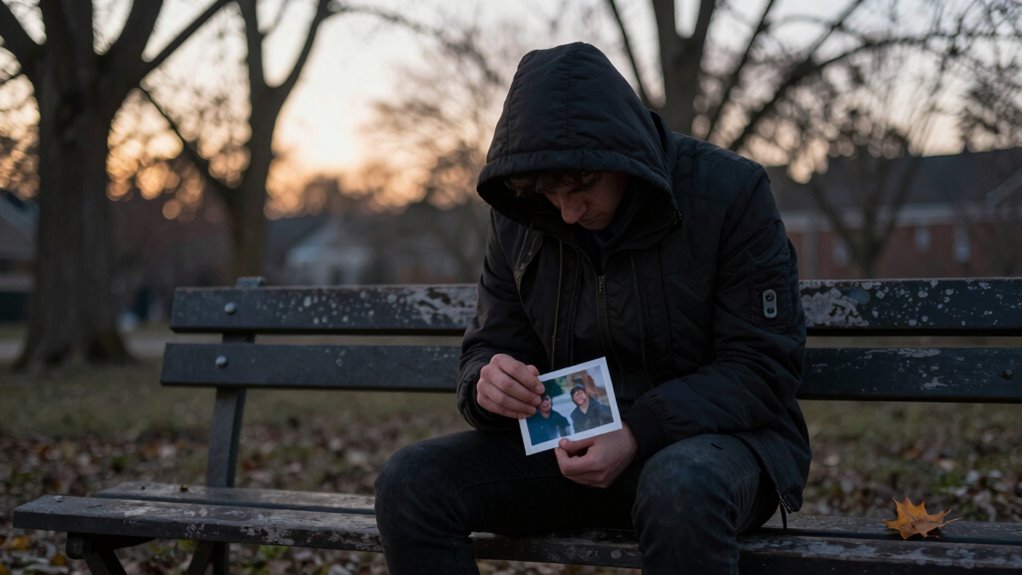

When you compare yourself to others after a breakup, you focus on their highlight reels instead of your own healing process. This can make you feel inadequate, rejected, or discouraged, which slows your progress. Comparing shifts your attention away from your personal growth and strengthens feelings of insecurity. To move forward faster, it’s better to focus on your feelings and progress. Keep exploring, and you’ll discover more ways to support your healing journey.

Get gifts for the two of you delivered free — and shop member deals
- Fast, free delivery on millions of items
- Access to Prime Big Deal Days deals on October 6–7
- Prime Video, Amazon Music and more included
Key Takeaways
- Comparing yourself to others’ highlight reels deepens feelings of inadequacy and prevents focusing on your personal healing process.
- External validation from social media can reinforce self-doubt and hinder self-esteem recovery.
- Viewing curated images distracts from genuine self-awareness and progress, delaying emotional growth.
- Constant comparison shifts attention away from personal milestones, making healing feel slower and less achievable.
- Relying on external validation and comparison prolongs insecurities, impeding emotional resilience and recovery.

Have you ever found yourself comparing your life or your ex to someone else’s after a breakup? If you have, you’re not alone. It’s a natural instinct to look at others and wonder why they seem to have it all together or why your ex appears happier without you. Social media fuels this tendency, showing curated versions of people’s lives that often seem perfect and effortless. When you scroll through your feeds, it’s easy to fall into the trap of comparing your behind-the-scenes struggles to someone else’s highlight reel. This comparison can chip away at your self-esteem, making you doubt your worth and your ability to move on.
After a breakup, your self-esteem is already vulnerable. You might feel rejected, hurt, or lost, and seeing others living their best lives online only deepens those feelings. It’s tempting to think that if others are doing well, then you should be, too. But social media rarely shows the full story. What you see are snapshots, edited images, and staged moments, not the reality behind them. Comparing your reality to these constructed images can make you feel like you’re falling behind or missing out, which slows down your healing process. When your self-esteem takes a hit, it’s harder to focus on your growth or find joy in everyday moments.
This cycle of comparison keeps you stuck in the past rather than encouraging you to move forward. You start measuring your progress against others’ highlight reels, which is unfair and unrealistic. It’s important to recognize that everyone’s journey is different, and healing isn’t a race. When you focus on what others portray online, you overlook your own milestones and strengths. Your self-esteem begins to rely on external validation instead of internal resilience. This reliance only prolongs the pain because it feeds insecurities instead of fostering genuine self-acceptance. Recognizing the influence of social media on your emotional health can help you take more conscious steps toward healing.
To heal faster, you need to break free from these comparisons. Limit your social media use or be mindful of how it affects your mood. Remind yourself that your worth isn’t determined by likes, followers, or how others appear to be thriving. Instead, focus on your feelings, your progress, and what brings you happiness. Rebuilding your self-esteem means shifting your attention inward and appreciating your unique journey. Remember, healing takes time, and comparing yourself to others only delays that process. Be patient and kinder to yourself as you navigate through this difficult period. Recognizing the importance of self-compassion can foster a healthier mindset and support your healing journey.
self-esteem boosting books for breakup recovery
As an affiliate, we earn on qualifying purchases.
As an affiliate, we earn on qualifying purchases.
Frequently Asked Questions
How Does Social Media Influence Breakup Comparisons?
Social media influences breakup comparisons by exposing you to unrealistic standards of happiness and perfect relationships. When you see others posting about their seemingly flawless lives, it’s easy to feel like your breakup was a failure or that you’re missing out. This comparison can slow your healing process, making you doubt your progress and prolonging emotional recovery. Remember, social media often shows only a curated version of reality.
Can Comparing Myself to Others Hinder Future Relationships?
Yes, comparing yourself to others can hinder future relationships. When you focus on others’ successes, you might develop self-esteem issues or jealousy triggers, making you doubt your worth. This mindset can lead to insecurity, trust issues, or unrealistic expectations. Instead, concentrate on your growth and healing. Embracing your unique journey helps build confidence, allowing healthier connections in the future without the baggage of comparison.
What Emotional Effects Does Comparison Cause During Healing?
Comparison during healing stirs up self-esteem issues and can lead to an identity crisis. When you focus on others’ lives, you might feel inadequate or lost, making it harder to recover emotionally. This constant comparison diverts your attention from your growth and healing process. Instead of moving forward, you may become stuck, doubting your worth and struggling to rebuild confidence, prolonging your emotional recovery after a breakup.
Is There a Healthy Way to Process Breakup Comparisons?
You can process breakup comparisons healthily by practicing self-reflection and emotional awareness. Instead of spiraling into endless envy, focus on understanding your feelings and what truly matters to you. Recognize that comparing your healing journey to others’ is like trying to measure the sky with a ruler—impossible and pointless. Embrace your unique path, celebrate small victories, and trust that genuine growth comes from within, not from others’ stories.
How Long Does It Typically Take to Stop Comparing After a Breakup?
It typically takes several months to stop comparing yourself after a breakup, but it varies based on your self-reflection and growth. During this time, focus on building emotional resilience by acknowledging your feelings and learning from the experience. Consistently practicing self-awareness helps you understand your worth beyond comparisons, gradually reducing their influence. Remember, healing isn’t linear—be patient with yourself as you work toward emotional independence and personal growth.
journals for emotional healing after breakup
As an affiliate, we earn on qualifying purchases.
As an affiliate, we earn on qualifying purchases.
Conclusion
Remember when you watched a river carve its way through rocks, shaping a smoother path over time? Just like that river, your healing process needs patience and focus on your own flow. Comparing your journey to someone else’s is like trying to race the current—impossible and frustrating. Instead, embrace your unique path, knowing that healing is a gradual process. Trust that, in time, your heart will find its own smooth, steady course.
guided meditation for healing from breakup
As an affiliate, we earn on qualifying purchases.
As an affiliate, we earn on qualifying purchases.
affirmation cards for self-love and confidence
As an affiliate, we earn on qualifying purchases.
As an affiliate, we earn on qualifying purchases.
Fall Picks
fall essentials
As an affiliate, we earn on qualifying purchases.