

To recover from the emotional whiplash of on-off breakups, focus on self-care by nourishing your body and mind with rest, healthy foods, and gentle exercise. Practice emotional resilience by setting boundaries, allowing yourself to feel without judgment, and using mindfulness to stay grounded. Remember, healing is a journey with ups and downs, so prioritize patience and small wins. If you want to learn more about stabilizing your emotions and building strength, keep exploring these strategies.
Key Takeaways
- Prioritize self-care activities like sleep, nutritious foods, and gentle exercise to stabilize your mood.
- Set healthy boundaries to protect your emotional well-being from ongoing contact or toxicity.
- Practice mindfulness or meditation to stay grounded and process fluctuating emotions.
- Allow yourself to experience and validate a full range of feelings without judgment.
- Focus on small goals and consistent routines to rebuild stability and long-term resilience.

Going through an on-off breakup can feel like riding an emotional rollercoaster, leaving you confused, exhausted, and unsure of what’s next. The constant back-and-forth can chip away at your self-esteem and leave you questioning your worth. During this tumultuous time, focusing on self-care strategies becomes essential. Prioritize activities that nourish your body and mind—whether it’s getting enough sleep, eating nutritious foods, or engaging in gentle exercise. These small acts help stabilize your mood and give you a sense of control amid chaos.
Developing emotional resilience becomes your best tool for managing this upheaval. Resilience isn’t about suppressing your feelings; it’s about learning to cope with them healthily. When you’re feeling overwhelmed, take a moment to breathe deeply and remind yourself that ups and downs are part of healing. Practice mindfulness or meditation to ground yourself in the present, reducing the power of negative thoughts and emotional triggers. Building emotional resilience also involves setting boundaries—limit your contact with your ex and avoid situations that intensify your distress. This creates space for healing and prevents setbacks. Incorporating self-awareness into your routine can further support your emotional growth and understanding.
Build resilience by setting boundaries, practicing mindfulness, and allowing yourself to feel without judgment. Healing takes time.
Remember, it’s normal to experience a range of emotions—anger, sadness, hope, frustration—and each is valid. Give yourself permission to feel without judgment. Journaling can be an effective outlet for processing these emotions, helping you gain clarity and release pent-up feelings. Surround yourself with supportive friends or family who can offer perspective and comfort. Don’t isolate yourself, but also avoid dwelling excessively on the past. Focus on small, achievable goals—whether it’s picking up a new hobby or simply dedicating time to self-reflection. This helps rebuild your sense of identity outside of the relationship. Embracing emotional regulation techniques can further aid in managing intense feelings and maintaining stability.
Recovery from emotional whiplash isn’t linear. You might have days where you feel stronger, and others where you’re back to feeling vulnerable. That’s okay. Progress isn’t about erasing the pain but learning to coexist with it. Celebrate your resilience, no matter how small the steps. Over time, your emotional resilience will grow stronger, enabling you to handle future heartbreaks more effectively. Remember, healing isn’t about rushing through the pain but allowing yourself the grace to heal at your own pace. Incorporating self-care strategies into your routine can significantly support your recovery process. Establishing healthy habits supported by emotional resilience can help you cope better during setbacks. Developing a positive mindset can also enhance your healing journey and foster greater emotional stability. With consistent self-care and resilience-building, you’ll gradually find your footing again and emerge more resilient from the chaos of an on-off breakup.

Fuck It: A Guided Self-Love and Gratitude Journal for Women to Unfuck Your Life, Exhale the Bullshit, and Love Who You Are (Cute Self Care & Self Help Books)
As an affiliate, we earn on qualifying purchases.
As an affiliate, we earn on qualifying purchases.
Frequently Asked Questions
How Long Does Emotional Recovery Typically Take?
Recovery time varies, but most people find emotional resilience improves within a few months, with the healing timeline often spanning 3 to 6 months. During this period, you’ll experience waves of emotion, but actively working through feelings helps. Be patient with yourself, prioritize self-care, and seek support if needed. Remember, everyone’s healing journey is unique, so focus on progress rather than a specific timeframe.
Can Therapy Speed up Healing After an On-Off Breakup?
Yes, therapy can speed up healing after an on-off breakup. Studies show that 75% of people find emotional triggers lessen with counseling. Through therapy, you can explore self-reflection, helping you understand your feelings better and break unhealthy patterns. A therapist guides you in managing emotional triggers, fostering resilience, and promoting self-awareness, which accelerates recovery and helps you regain emotional stability faster.
Is It Normal to Still Love an Ex After Multiple Breakups?
Yes, it’s normal to still love an ex after multiple breakups, especially if you’ve developed unhealthy attachments or emotional dependency. These feelings linger because your attachment isn’t just about love but also about comfort and familiarity. Recognize these patterns, and focus on building your independence. Healing takes time, so be patient with yourself, and consider seeking support to break free from these emotional cycles and foster healthier relationships.
How Do I Avoid Repeating the Same Breakup Patterns?
Breaking the cycle is like cutting the tangled vines blocking your path. To avoid repeating breakup patterns, you need to nurture healthy communication patterns and set firm boundaries. Be clear about your needs, speak honestly, and refuse to accept behaviors that hurt you. By doing this, you create a sturdy fence that keeps destructive habits out, guiding your relationship toward growth instead of chaos.
What Are Early Signs of Emotional Healing?
Early signs of emotional healing show in your growing emotional resilience and self-compassion. You start to feel more balanced, less overwhelmed by pain or anger, and can reflect on the breakup without intense distress. You may notice improved sleep, clearer thinking, and a willingness to engage in life again. These signs indicate you’re gradually letting go of the emotional rollercoaster and building a healthier relationship with yourself.

Mindsight 'Original Breathing Buddha' Guided Visual Meditation | 3 Modes to Slow Your Breathing & Calm Your Mind | Stress & Anxiety Relief | Wellness Gift | Adults, Kids, Classrooms | USB Rechargeable
- Purpose: Calm, focus, and promote peaceful sleep
- Usage: Three breathing modes and night light
- Breathing Modes: 4/7/8, 5/5, 4/4/4/4 patterns
As an affiliate, we earn on qualifying purchases.
As an affiliate, we earn on qualifying purchases.
Conclusion
Remember, healing is like tending a fragile garden—you’ll need patience, gentle care, and time. Each step forward is a new bloom, gradually replacing the thorns of heartbreak with blossoms of hope. Though the storm of on-off breakups may shake your roots, it also clears the way for new growth. Trust that, eventually, you’ll find your way back to sunshine, stronger and more resilient than ever—ready to embrace a brighter, steadier tomorrow.

Boiron SleepCalm Sleep Aid for Deep, Relaxing, Restful Nighttime Sleep – Melatonin-Free and Non Habit-Forming – 60 Count
- Plant-Based, Melatonin-Free Formula: Supports restful sleep naturally
- No Water Needed: Dissolves quickly in mouth
- Non-Habit Forming: Safe for regular use
As an affiliate, we earn on qualifying purchases.
As an affiliate, we earn on qualifying purchases.
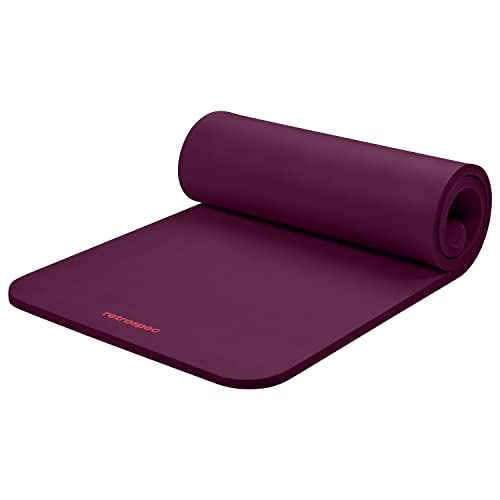
Retrospec Solana Yoga Mat 1" Thick w/Nylon Strap for Men & Women – Non Slip Exercise Mat for Home Yoga, Pilates, Stretching, Floor & Fitness Workouts – Boysenberry
- Extra Thick for Comfort: 1-inch thick for joint support
- Non-Slip Grip: Secure, slip-resistant surface
- Durable & Portable: Sturdy material with carrying strap
As an affiliate, we earn on qualifying purchases.
As an affiliate, we earn on qualifying purchases.