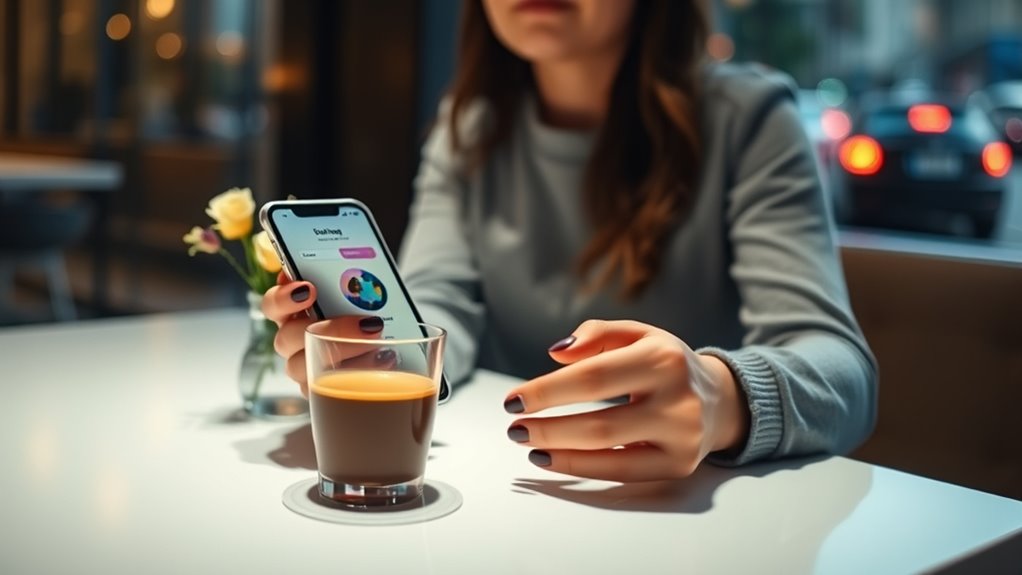

Yes, dating is more challenging now because apps and texting have changed the game. You might feel overwhelmed by endless matches or uncertain if someone is genuinely interested due to ghosting. Digital communication can cause misunderstandings without tone or facial cues. Long-distance adds another layer of complexity, making connection harder across time zones. If you want to understand how these new hurdles impact your dating journey and what to do about them, keep going.
Key Takeaways
- Digital apps increase access to potential partners but also raise expectations and competition, making dating more complex.
- Texting and messaging facilitate communication but often lead to misunderstandings due to lack of tone and body language.
- Long-distance relationships are more common but face unique challenges like time zones and emotional disconnection.
- The prevalence of ghosting and ambiguous signals adds uncertainty, emotional stress, and unpredictability to dating.
- Resilience and emotional regulation are now essential skills to navigate the evolved digital dating landscape effectively.
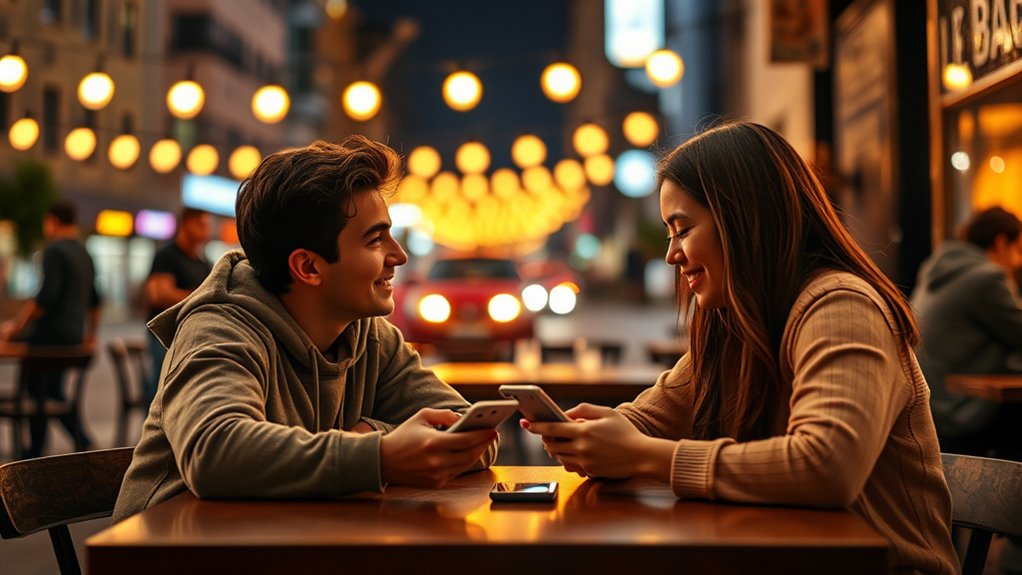
In today’s fast-paced digital world, dating often feels more complicated than ever. With the rise of dating apps and texting, you might find yourself steering a maze of options and uncertainties. One of the biggest hurdles is long-distance challenges. When you’re trying to connect with someone across cities or even countries, it’s easy to feel disconnected or unsure if your efforts will pay off. Time zones, different schedules, and the expense of travel can make maintaining a long-distance relationship feel overwhelming. It’s tempting to question whether the distance is worth the effort or if your connection will fade before it truly begins.
Adding to this complexity is the ghosting phenomenon. You might start talking with someone you really like, only to suddenly stop hearing from them without explanation. It’s frustrating and confusing, especially when you’re left wondering what went wrong. Ghosting has become a common part of modern dating, often leaving you feeling rejected and unsure of where you stand. It’s easy to think that perhaps your communication style is to blame or that you did something wrong, but in reality, ghosting often reflects the other person’s inability or unwillingness to confront conflict or vulnerability. This behavior creates a sense of unpredictability that can make dating feel less like a genuine connection and more like a game of chance.
Ghosting leaves you confused and uncertain, revealing others’ fear of vulnerability and turning dating into a game of chance.
The convenience of texting and instant messaging has transformed how you date, but it also introduces new pitfalls. While it’s easier to keep in touch and flirt at any time, it can also lead to misunderstandings. Without tone of voice, facial expressions, or body language, your messages can be easily misinterpreted, leading to unnecessary conflicts or doubts. Additionally, the constant availability makes it tempting to overanalyze every message or response, adding pressure and anxiety to the process.
All these factors—long-distance challenges, ghosting, and the nuances of digital communication—combine to make modern dating feel more complex. You’re expected to juggle multiple potential partners, interpret ambiguous signals, and cope with the emotional rollercoaster that comes with digital intimacy. While technology has made it easier to meet new people, it also demands a thicker skin and greater resilience. You might find yourself questioning if dating is truly harder now, but the truth is, it’s just different. The landscape has shifted, and understanding these new hurdles is key to steering the modern dating game successfully.

Gifts for Him Her Couples Valentine’s Day Candle for Boyfriend Girlfriend Romantic Swiped Right Gift for Couples Who Met Online Dating App Anniversary Candle Tinder Match New Relationship Love Gift
Perfect Valentine’s Gift for Online-Match Couples Celebrate your modern love story with a candle that proudly says: “I’m…
As an affiliate, we earn on qualifying purchases.
As an affiliate, we earn on qualifying purchases.
Frequently Asked Questions
How Has Online Dating Impacted Traditional Courtship Practices?
Online dating has considerably altered traditional courtship practices by introducing rapid cultural shifts and changing societal expectations. You now often start conversations through apps, which can feel less personal but more convenient. This shift challenges old-fashioned dating norms, making it easier to meet people but also increasing competition. You need to adapt to new communication styles and expectations, balancing authenticity with the fast-paced digital environment that shapes modern relationships.
Are Dating Apps More Beneficial or Harmful to Genuine Connections?
You find that dating apps can be a double-edged sword. While they foster virtual chemistry and expand your options, authenticity concerns might make it tricky to truly connect. Sometimes, the digital domain feels like a playground for surface-level interactions, yet for others, it’s a chance to meet someone special. Ultimately, these apps can be beneficial if you stay genuine and focus on meaningful conversations, not just swipes.
How Do Texting Habits Influence Relationship Development?
Your texting habits shape how your relationship develops by influencing digital communication and emotional intimacy. When you communicate openly and consistently, you build trust and deepen your connection. However, if you’re vague or avoid meaningful conversations, emotional intimacy can suffer. Being mindful of your tone and responsiveness helps foster genuine understanding. Good texting habits create a stronger bond, making it easier to grow closer and navigate challenges together.
What Are the Psychological Effects of Dating App Rejection?
When you face dating app rejection, it can hit your emotional resilience and heighten rejection sensitivity. You might feel hurt, doubts, or even question your self-worth. These experiences can make you more cautious or anxious about future interactions. However, building emotional resilience helps you handle rejection better, allowing you to stay confident and open-minded. Remember, rejection isn’t a reflection of your value; it’s just part of the dating process.
Do Dating Apps Increase or Decrease Relationship Longevity?
Studies show that about 39% of couples meet online, but dating apps can decrease relationship longevity due to digital commitment challenges and swipe fatigue. You might find it harder to build deep connections when constantly swiping, leading to superficial choices. While apps increase opportunities, they often foster fleeting interactions. To improve your chances, focus on meaningful communication instead of endless scrolling, nurturing genuine connections that can lead to lasting relationships.

The Adventure Challenge Couples Connection Cards – 50 Conversation Starters for Date Night, Marriage Counseling, or Long-Distance Relationships | Couples Card Game & Relationship Gift
DEEPER CONNECTION, ONE QUESTION AT A TIME – Tired of small talk? These 50 thoughtfully crafted question cards…
As an affiliate, we earn on qualifying purchases.
As an affiliate, we earn on qualifying purchases.
Conclusion
While dating may feel more complicated with apps and texting, it actually offers more opportunities to connect authentically. Sure, digital communication can sometimes seem impersonal, but it also allows you to express yourself in ways face-to-face encounters can’t. By embracing these tools thoughtfully, you can build genuine connections and navigate the modern dating landscape with confidence. So, instead of seeing technology as a barrier, see it as a way to deepen your understanding and find meaningful love.

The Modern Teen's Etiquette Playbook: Confidence, Communication, and Online Presence for the 21st Century
As an affiliate, we earn on qualifying purchases.
As an affiliate, we earn on qualifying purchases.
products to reduce misunderstandings in texting
As an affiliate, we earn on qualifying purchases.
As an affiliate, we earn on qualifying purchases.