Childhood trauma can deeply impact how you love and connect today, often shaping your attachment style and trust levels. By recognizing these patterns, you can start to reframe old beliefs and build emotional resilience through self-compassion, mindfulness, and support. Healing isn’t linear, but with patience and active effort, you can create healthier relationships. If you’re open to exploring the roots of your wounds and finding ways to grow, there’s more to discover on your journey toward love and connection.
Open a free Amazon Business account
Business pricing, bulk buying and tax-exempt orders.
As an affiliate, we earn on qualifying purchases.
Key Takeaways
- Recognizing attachment styles rooted in childhood trauma helps partners understand each other’s relationship patterns.
- Building emotional resilience through self-compassion and mindfulness enables healing and healthier connections.
- Open communication about past wounds fosters trust and mutual support in the healing process.
- Challenging negative beliefs about love and trust allows for the development of secure, fulfilling relationships.
- Supportive tools and patience facilitate transforming old wounds into opportunities for growth and deeper connection.
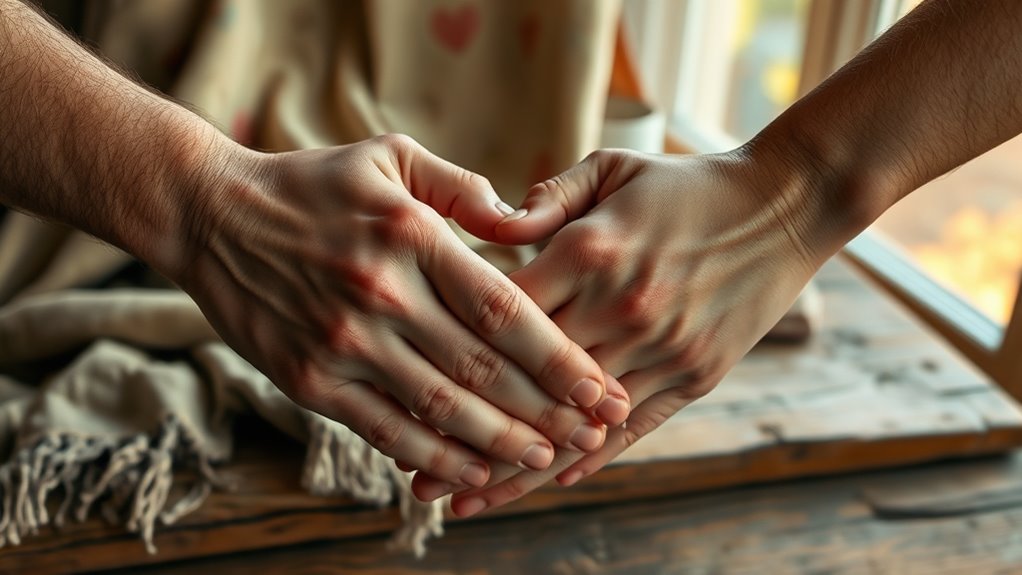
Childhood trauma often leaves deep scars that shape how you experience love later in life. These wounds can influence your attachment styles, making it difficult to trust others or feel secure in relationships. You might find yourself constantly seeking reassurance or, conversely, pushing people away before they can hurt you. Understanding your attachment style is an essential step in healing because it reveals the patterns rooted in your early experiences. Recognizing whether you’re anxious, avoidant, or disorganized helps you see why you react the way you do in relationships, and it opens the door for change. Building emotional resilience becomes indispensable here, as it empowers you to confront painful feelings without becoming overwhelmed. Resilience doesn’t mean you erase your past; it means you develop the strength to navigate its lingering effects more effectively.
When you’re aware of your attachment style, you start to see how childhood trauma influenced your ability to connect. For example, if you grew up in an unpredictable environment, you may have developed an anxious attachment, craving closeness but fearing abandonment. Conversely, if love was inconsistent or conditional, you might lean toward avoidant tendencies, keeping others at a distance to protect yourself. Recognizing these patterns allows you to challenge and reframe your beliefs about love and trust. It’s about understanding that your reactions are rooted in past experiences, not your current worth or the intentions of your partner. With patience, you can work toward developing a more secure attachment style, which involves trusting others and feeling safe enough to be vulnerable. Additionally, the increasing use of automated systems in therapy and support can provide personalized tools to aid your healing journey.
Cultivating emotional resilience plays an essential role in this healing process. It involves practicing self-compassion, learning to cope with difficult emotions, and gradually opening up to intimacy again. Mindfulness, therapy, and supportive relationships can help you strengthen your resilience over time. As you build this inner strength, you’ll become better equipped to handle setbacks and emotional triggers without falling into old patterns of fear or avoidance. Healing from childhood trauma is not linear, but every step forward bolsters your capacity for love and self-understanding. By embracing your journey—acknowledging past wounds while actively working to heal—you create space for healthier, more fulfilling relationships. Ultimately, your past doesn’t have to define your future love life; with awareness and resilience, you can forge a new path toward connection and emotional well-being.
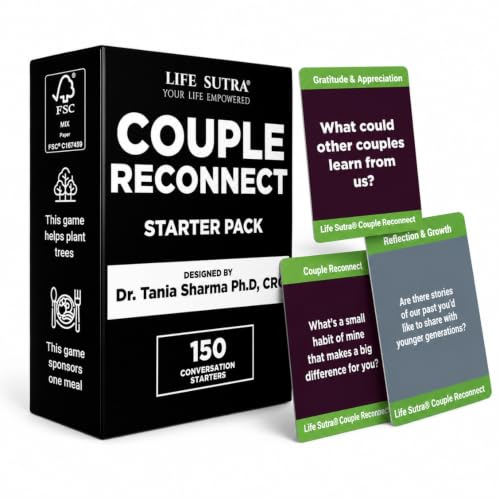
Life Sutra Couple Reconnect Card Game, 150 Conversation Cards to Build Trust, Deepen Bond & Strengthen Communication, A Therapy-Inspired Game for Married & Mature Couples & Gift for Stocking Stuffer
- Deepens Emotional Connection: 150 prompts for honest sharing
- Easy to Play: Draw, ask, and connect effortlessly
- Fosters Relationship Growth: Encourages empathy and trust
As an affiliate, we earn on qualifying purchases.
Frequently Asked Questions
How Does Childhood Trauma Affect Adult Relationships?
Childhood trauma influences your adult relationships by shaping your attachment patterns and how you perceive love and trust. If you experienced inconsistent or neglectful parenting styles, you might struggle to form secure bonds, often feeling anxious or distant. These early experiences can cause you to fear abandonment or struggle with intimacy. Recognizing these patterns helps you break free, allowing healthier, more secure relationships as you heal and understand your emotional needs.
Can Childhood Wounds Be Fully Healed With Therapy?
Yes, childhood wounds can be healed with therapy, but it depends on your commitment. Through therapy, you can explore your parenting patterns and develop emotional resilience, which are essential for healing. While some scars may fade completely, others might require ongoing effort. By actively engaging in therapy, you give yourself the best chance to understand, process, and eventually transform old wounds into sources of strength.
What Are Signs of Unresolved Childhood Trauma in Love?
You might notice patterns like anxious attachment or avoidant behaviors, revealing unresolved childhood trauma. Emotional triggers, such as feeling abandoned or misunderstood, often surface unexpectedly, disrupting your relationships. Despite craving closeness, you may push loved ones away. These signs show that your attachment styles are still shaped by past wounds, making it essential to explore and heal these deep-seated issues to foster healthier, more secure connections.
How Can Partners Support Each Other’s Healing Journeys?
You can support each other’s healing journey by fostering emotional intimacy and building trust. Listen without judgment, validate feelings, and show patience as your partner heals. Encourage open communication, share your own vulnerabilities, and create a safe space where healing feels possible. By consistently demonstrating understanding and reliability, you help strengthen your bond, allowing both of you to overcome past wounds and deepen your connection.
Are There Specific Therapies Effective for Childhood Trauma?
You can consider therapies like play therapy and art therapy, which are highly effective for childhood trauma. Play therapy helps you express feelings you might struggle to put into words, while art therapy allows you to process emotions creatively. Both approaches foster healing by creating a safe space for you to explore and understand your past, paving the way for emotional growth and recovery.

FLUYTCO Love Lingual: The Original Couples Card Game | 150 Conversation Starter Cards for Date Night, Deeper Connection & Relationship Building | Intimacy Game
- Designed for meaningful conversations: Fosters deep, trust-building discussions
- Five themed categories: Guides conversation from playful to reflective
- Widely reviewed and trusted: Over 11,000 verified reviews from couples
As an affiliate, we earn on qualifying purchases.
Conclusion
Remember, healing from childhood trauma is a journey you don’t have to walk alone. Love can be the balm that mends old wounds, but it takes patience, understanding, and a willingness to grow together. Don’t let past scars hold you back from embracing the present. As the saying goes, sometimes you have to weather the storm to see the sunshine. Keep moving forward, and trust that brighter days are ahead.
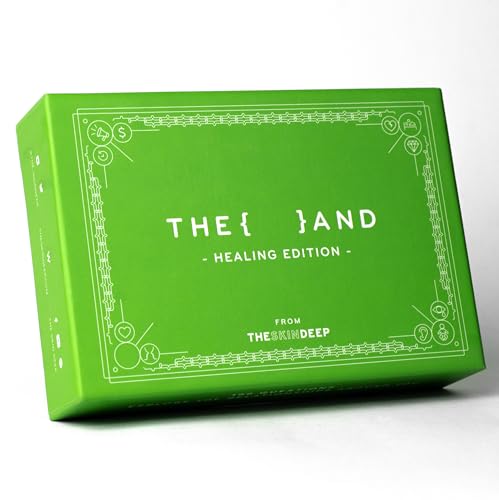
{THE AND} Healing Edition - 199 Question Cards to Heal Strained Relationships - Reconnect by Understanding & Releasing Hurt Feelings - Couple Card Game to Have Difficult Conversations By The Skin Deep
- Game for Healing Relationships: Releases hurt feelings and reconnects
- Facilitates Effective Communication: Provides a safe space for expression
- Promotes Reconnection and Healing: Breaks down barriers for deeper bonds
As an affiliate, we earn on qualifying purchases.

The 5 Love Languages® Card Game, Couples Games for Adults, 2 players, 16+
- Engaging Couples Card Game: Fun game for couples to connect and laugh
- Deepen Your Connection: 300 prompt cards to explore your relationship
- Variety of Card Types: Questions, date ideas, and pop quizzes
As an affiliate, we earn on qualifying purchases.
Baby shower & registry season Picks
baby registry must-haves
As an affiliate, we earn on qualifying purchases.