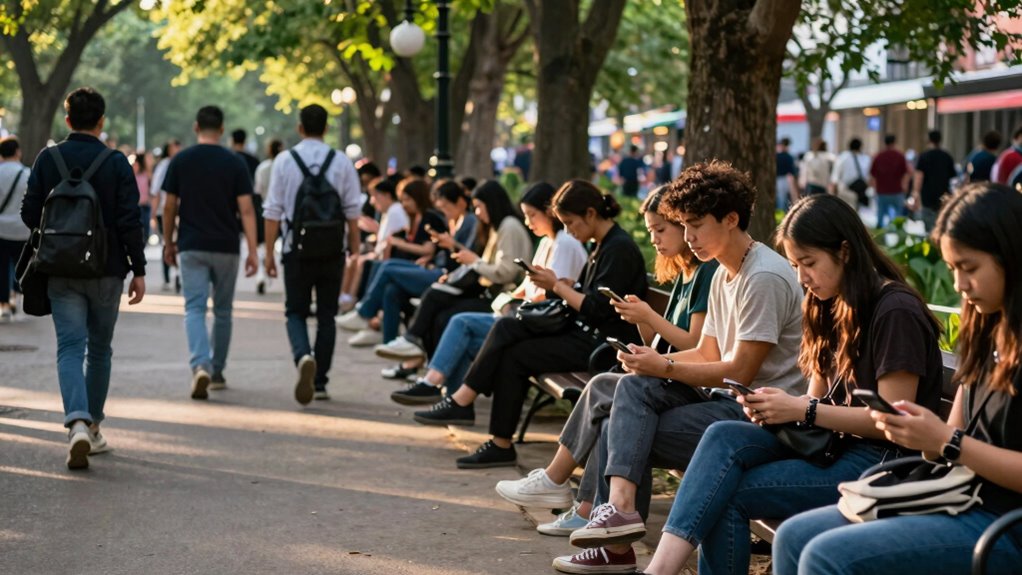

Many people date for validation without realizing it because they seek quick boosts to their self-esteem and acceptance from others. You might think that being in a relationship will make you feel valued, but often, it’s about filling loneliness or self-doubt. This cycle keeps you chasing external approval instead of building internal confidence. If you keep going down this path, you’ll keep feeling temporary validation. Learn how to break free and find genuine self-worth.

Get gifts for the two of you delivered free — and shop member deals
- Fast, free delivery on millions of items
- Access to Prime Big Deal Days deals on October 6–7
- Prime Video, Amazon Music and more included
Key Takeaways
- Many seek external approval through dating to temporarily boost self-esteem and fill feelings of loneliness or self-doubt.
- The cycle of validation leads individuals to prioritize others’ perceptions over authentic connection.
- Relying on validation from partners becomes a safety mechanism against rejection and enhances perceived desirability.
- Lack of self-awareness causes people to unknowingly pursue relationships primarily for external validation.
- Building internal self-worth and self-compassion can reduce dependence on external validation in dating.
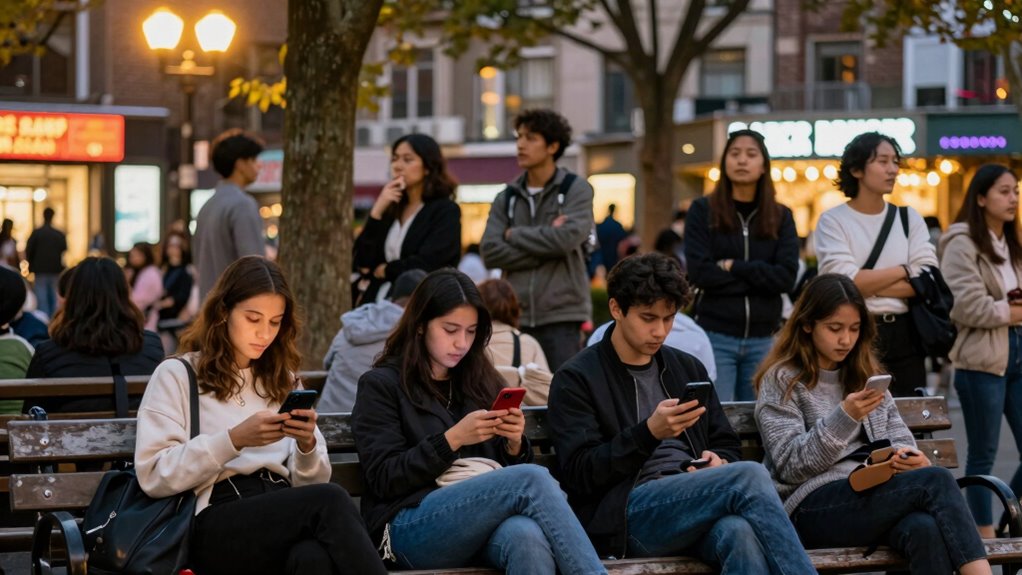
Many people seek validation through dating because it offers a quick way to boost self-esteem and feel accepted. You might find yourself chasing the approval of others, believing that a relationship will somehow fill the void of self-doubt or loneliness. It’s natural to crave social validation, especially in a world where external approval often seems tied to personal worth. When you date with this mindset, the focus isn’t necessarily on building a genuine connection but rather on gaining affirmation from your partner or the dating scene. You want to feel valued, desirable, and validated, and dating becomes a means of achieving those feelings temporarily.
Many seek dating for quick validation, mistaking external approval for true self-worth and genuine connection.
This drive for validation can be so ingrained that you might not even realize it’s guiding your choices. You might seek out partners who boost your ego, even if the relationship isn’t healthy or fulfilling in the long run. It’s easier to focus on how others perceive you rather than reflecting on what you truly want. When your self-esteem is low, dating can seem like a quick fix—you get attention, compliments, and reassurance that you’re enough. But this validation is often fleeting, leaving you back at square one, craving more affirmation to feel good about yourself again.
You may also find yourself sticking with partners or situations that give you social validation, even if they don’t align with your true self or values. The approval from others becomes a form of safety, a shield against feelings of inadequacy or rejection. Over time, this pattern can reinforce a cycle where your sense of worth depends heavily on external validation. You start to believe that your value is determined by how many people want you or how desirable you appear. This mindset shifts the purpose of dating from genuine connection to a performance aimed at garnering praise and acceptance. Recognizing the importance of self-awareness can help break this cycle and foster healthier relationships. Additionally, developing a strong internal sense of worth can reduce reliance on external validation.
It’s also important to understand that internal validation is a more sustainable and fulfilling source of confidence, helping you build resilience against external fluctuations. While it’s perfectly human to want to feel accepted, relying solely on dating for validation can prevent you from developing a strong, internal sense of self-worth. It can lead to unhealthy relationship patterns, where you chase validation rather than authentic connection. Recognizing that your self-esteem boost shouldn’t depend on others’ approval is *essential*. True confidence comes from within, not from external validation. When you learn to value yourself independently, dating becomes a way to share your life with someone, not just a source of temporary validation.
Furthermore, cultivating self-compassion can help you develop that internal validation and reduce the need for external approval. Until then, you might find yourself caught in a cycle of seeking reassurance through every new relationship, never quite feeling truly satisfied.
As an affiliate, we earn on qualifying purchases.
Frequently Asked Questions
How Can I Tell if I’M Dating for Validation?
You can tell if you’re dating for validation by reflecting on your motivations and feelings. Practice self-awareness exercises to identify whether you seek approval or reassurance from your partner. Notice if your happiness depends on their validation, rather than genuine connection. Developing emotional independence helps you enjoy your own company and build confidence. If validation feels like your main goal, it’s a sign you might be dating for approval rather than authentic love.
What Are the Signs of Validation-Seeking in Relationships?
You might notice validation-seeking signs in your relationship when your self-esteem heavily depends on your partner’s approval. For example, if you constantly seek reassurance or feel anxious when your partner is distant, it indicates insecurity. These relationship dynamics often stem from low self-esteem, causing you to rely on external validation rather than internal confidence. Recognizing these patterns helps you understand your emotional needs and work towards healthier, more balanced connections.
Can Dating for Validation Harm My Self-Esteem?
Yes, dating for validation can harm your self-esteem because it makes your sense of worth dependent on others’ approval. When you rely on external validation, you may struggle with emotional independence and hinder your self-worth improvement. Over time, this pattern can lead to feelings of insecurity and doubt. To protect yourself, focus on building confidence from within, cultivating self-love, and valuing your own opinions rather than seeking constant affirmation from others.
How Do I Break Free From Validation-Based Dating?
Imagine breaking free from a tether that’s been holding you back. To do this, you need self-awareness—recognize why you seek validation and understand your worth. Cultivate emotional independence by spending time alone, reflecting on your values, and building confidence outside of others’ opinions. As you strengthen your inner foundation, you’ll naturally attract healthier relationships, freeing yourself from the cycle of validation-based dating and embracing genuine connection.
Is Validation-Seeking a Sign of Deeper Emotional Issues?
Yes, validation-seeking can be a sign of deeper emotional issues like emotional dependency and self-worth issues. When you rely on others for validation, it often indicates you’re struggling with self-esteem and emotional stability. Recognizing this is the first step toward healing. You can work on building your self-worth independently, which helps reduce emotional dependency and fosters healthier relationships based on genuine connection rather than validation.
As an affiliate, we earn on qualifying purchases.
Conclusion
So, next time you find yourself chasing validation through dating, ask yourself what really drives you. Are you seeking genuine connection or just a fleeting boost to your ego? The truth might surprise you—and unravel something deeper within. Sometimes, what you’re really looking for isn’t what you think. Stay aware of your motives, because uncovering them could change everything—if you’re willing to face what’s truly beneath the surface. Will you dare to look?
confidence boosting online courses
As an affiliate, we earn on qualifying purchases.
As an affiliate, we earn on qualifying purchases.
As an affiliate, we earn on qualifying purchases.
Fall Picks
fall essentials
As an affiliate, we earn on qualifying purchases.