

Finding love with step-kids in a blended family starts with setting clear boundaries and maintaining consistent discipline, which creates stability and trust. Open communication helps address cultural differences and fosters mutual respect. Incorporate outdoor activities and shared experiences to build bonds and trust over time. Stay flexible with traditions and acknowledge everyone’s feelings. By actively nurturing respect and understanding, you’ll create a loving, harmonious environment. Stay with us to discover practical tips for strengthening your blended family.

Get gifts for the two of you delivered free — and shop member deals
- Fast, free delivery on millions of items
- Access to Prime Big Deal Days deals on October 6–7
- Prime Video, Amazon Music and more included
Key Takeaways
- Establish clear boundaries and consistent discipline to create a sense of security for step-kids.
- Communicate openly about family roles and expectations to foster trust and understanding.
- Incorporate shared outdoor activities to build positive relationships and trust among family members.
- Respect and celebrate cultural differences to promote mutual appreciation and inclusivity.
- Practice active listening and flexibility to strengthen family unity and support children’s emotional adjustment.
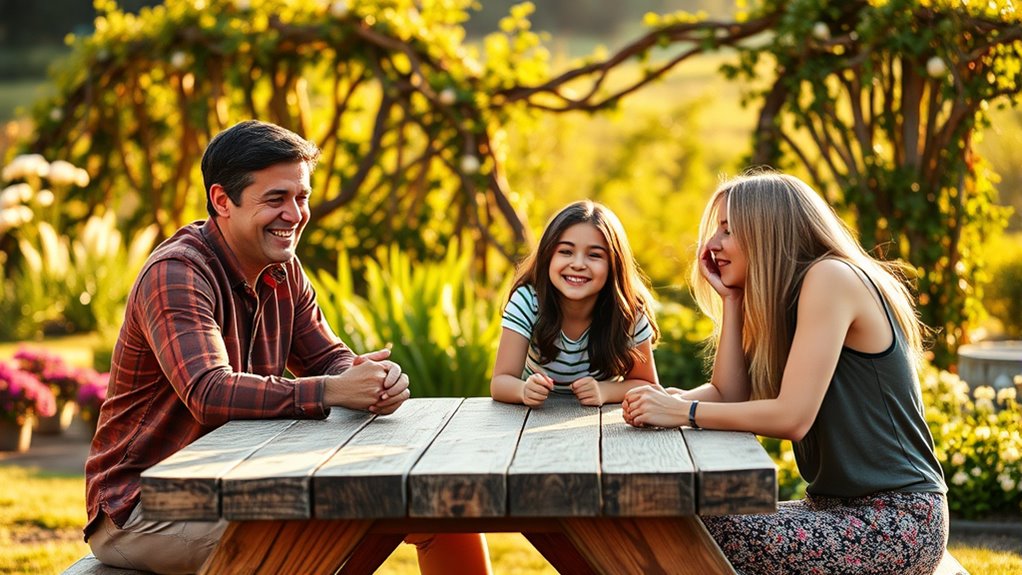
Have you ever wondered how blended families successfully steer the complexities of merging different backgrounds and expectations? It’s a delicate process that requires patience, understanding, and a willingness to adapt. One of the first hurdles you’ll encounter is establishing clear parental boundaries. These boundaries set the tone for how you and your partner will manage discipline, privacy, and responsibilities. It’s essential to communicate openly about what’s acceptable and what’s not, especially since children often test limits when they’re adjusting to new family dynamics. By consistently enforcing boundaries, you create a sense of stability and security that helps everyone feel respected and understood. Remember, boundaries aren’t about control but about creating a harmonious environment where each family member’s needs are acknowledged. Incorporating safe outdoor activities can also help children build trust and foster positive interactions within the family.
Establish clear boundaries to foster stability, respect, and understanding in your blended family.
Cultural differences also play a significant role in shaping your blended family experience. You and your partner may come from diverse backgrounds, each with its own traditions, values, and ways of communicating. These differences can lead to misunderstandings if left unaddressed, but they also offer a wonderful opportunity for growth and learning. To steer cultural differences successfully, you need to approach them with curiosity rather than judgment. Share stories about your backgrounds, celebrate each other’s traditions, and find ways to incorporate new customs into your family life. This approach not only fosters mutual respect but also helps children develop a broader perspective and appreciation for diversity.
Building a sense of unity involves actively listening to each other’s concerns and being flexible. For instance, if your step-kid feels uncomfortable with certain traditions, consider adapting them to suit everyone’s comfort levels. It’s essential to acknowledge the feelings and experiences of your children, especially as they adjust to a new family structure. Encouraging open dialogue creates a foundation where everyone feels safe to express themselves without fear of rejection or criticism. Consistency is key—whether it’s enforcing boundaries or honoring cultural practices, sticking to agreed-upon rules promotes trust and stability.
Ultimately, steering blended families means balancing firmness with compassion and openness. By establishing clear parental boundaries and respecting cultural differences, you lay the groundwork for a loving, resilient family. This journey isn’t always straightforward, but with patience and genuine effort, you can create a nurturing environment where love grows beyond the initial challenges. Remember, the goal is to build a family rooted in respect, understanding, and shared experiences, making your blended family a unique and rewarding chapter of your life.
blended family boundary setting books
As an affiliate, we earn on qualifying purchases.
As an affiliate, we earn on qualifying purchases.
Frequently Asked Questions
How Can I Build Trust With My Step-Children?
To build trust with your step-children, focus on fostering communication and building rapport. Spend quality time together, listen actively, and show genuine interest in their lives. Be patient and consistent, demonstrating reliability and understanding. Respect their feelings and boundaries, and avoid rushing the relationship. Over time, your openness and sincere efforts will help establish a strong foundation of trust, making your bond with them more meaningful.
What Are Effective Ways to Handle Sibling Rivalry?
Picture a circus where siblings juggle jealousy and compete for applause. To handle this chaos, establish sharing routines that encourage cooperation and fairness. Foster empathy by guiding them to see each other’s perspectives, transforming rivalry into understanding. Celebrate their unique talents and victories, turning the ring into a stage for teamwork. With patience and consistency, you’ll tame the wild performers and help them develop a healthier, more harmonious relationship.
How Do I Set Boundaries Without Overstepping?
To set boundaries without overstepping, use clear discipline strategies that respect everyone’s feelings. Communicate openly with your step-kids and involve them in creating family traditions, which fosters mutual understanding. Be consistent and fair, showing that boundaries support a healthy environment. Remember, it’s about guiding rather than controlling, ensuring your actions promote respect and trust without overstepping personal limits.
When Is the Right Time to Introduce New Partners?
You might think the perfect moment to introduce a new partner is when the dating timeline feels right, but surprisingly, emotional readiness matters more. Don’t rush it just to check a box; wait until everyone’s genuinely comfortable and the relationship feels stable. Usually, this is after a few months of steady dating, when you’re confident it’s serious. Rushing can create confusion—so trust your instincts and prioritize emotional maturity first.
How Can I Support My Step-Children’s Relationship With Their Biological Parent?
You can support your step-children’s relationship with their biological parent by encouraging father-child bonding and respecting family traditions. Spend quality time with them, listen to their feelings, and avoid interfering in their relationship. Celebrate shared traditions, which strengthen their bond and provide stability. Your support shows you value their connection, fostering trust and a healthy relationship with their biological parent, ultimately creating a harmonious blended family environment.
outdoor activities for kids in blended families
As an affiliate, we earn on qualifying purchases.
As an affiliate, we earn on qualifying purchases.
Conclusion
Think of your blended family as a garden. At first, it might seem wild and uncertain, but with patience, care, and love, it begins to flourish. Each relationship is a unique seed, and your effort helps them grow stronger together. Over time, the garden blooms with trust and understanding, creating a beautiful landscape of shared love. Embrace the journey, knowing that with nurturing, your family can thrive in harmony and joy.
cultural diversity family celebration kits
As an affiliate, we earn on qualifying purchases.
As an affiliate, we earn on qualifying purchases.
family communication and active listening tools
As an affiliate, we earn on qualifying purchases.
As an affiliate, we earn on qualifying purchases.
Fall Picks
fall essentials
As an affiliate, we earn on qualifying purchases.