

Yes, everyone has a “type,” shaped by your personality and cultural background. Your traits—whether outgoing or reserved—influence the qualities you’re naturally drawn to. Cultural norms and values also play a role, guiding what you find attractive or meaningful in a partner. These factors create complex preferences that are unique to you. If you explore further, you’ll discover how understanding these influences can help you develop healthier, more authentic connections.
Listen free for 30 days with Audible
Thousands of audiobooks and originals — cancel anytime.
As an affiliate, we earn on qualifying purchases.
Key Takeaways
- Love preferences are shaped by a complex mix of personality traits and cultural influences, not just superficial qualities.
- Our “type” reflects deeper emotional, behavioral, and cultural patterns, not solely physical attraction.
- Cultural background and societal norms significantly influence what qualities we find desirable in partners.
- Self-awareness through emotional expression and arts can reveal true preferences beyond surface-level traits.
- Recognizing the interplay of personality and culture helps foster more authentic and fulfilling relationship choices.
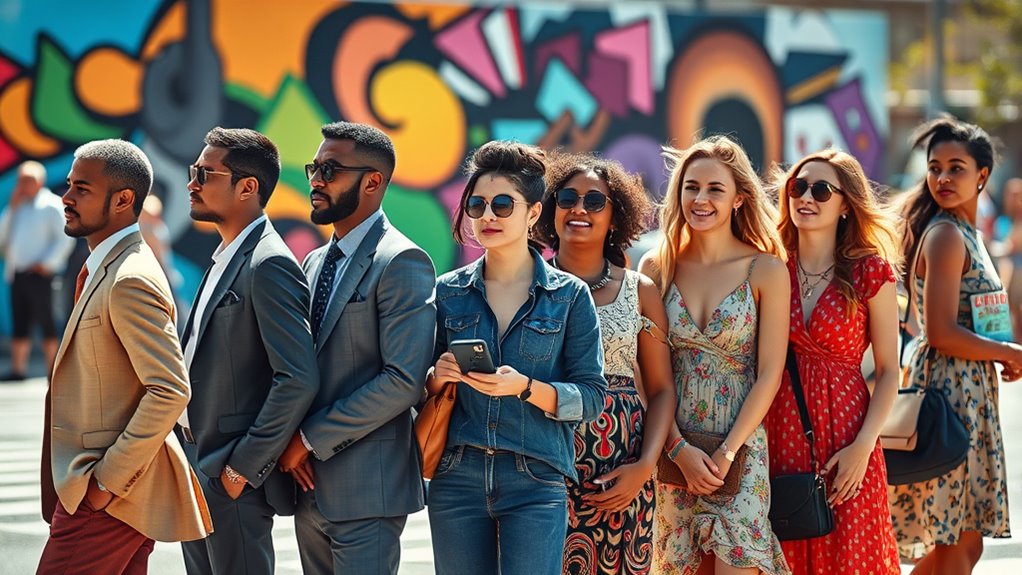
Understanding your love preferences helps you discover what truly makes a connection meaningful. When you think about the qualities you’re drawn to in others, you’re often influenced by a mix of personality traits and cultural influences that shape your perceptions and expectations. Your personality traits—such as whether you’re outgoing or reserved, spontaneous or cautious—play a significant role in determining what kind of partner feels right for you. For example, if you’re naturally energetic and adventurous, you might be attracted to someone who shares those traits. Conversely, if you’re more introspective and thoughtful, you may prefer a partner who complements your personality with calmness or stability. Recognizing these traits helps you understand why certain connections resonate more deeply than others.
Your personality traits shape your love preferences and attract partners who complement your unique qualities.
Cultural influences also deeply impact your love preferences. The environment you grew up in, the community you belong to, and societal norms all shape what you consider attractive or desirable in a partner. For instance, in some cultures, family approval and traditional values might be paramount, leading you to seek partners who align with those expectations. In others, individualism and personal achievement may take precedence, guiding you toward someone who shares your ambitions and outlook on life. These influences subtly mold your preferences, often without you realizing it. They can determine everything from how you define love and commitment to what qualities you prioritize in a partner.
Your cultural background can also influence how you express affection and what you look for in terms of emotional connection. If you grew up in a culture that values open communication and emotional vulnerability, you’re likely to seek these qualities in a partner. Conversely, if emotional restraint was emphasized, you might be more comfortable with less overt displays of affection. Understanding the cultural influences on your love preferences helps you see that what you desire isn’t solely a matter of personal taste but also shaped by your environment and upbringing.
Additionally, engaging with music therapy or other expressive arts can help you better understand your emotional needs and preferences. All of this means that your “type” is often a reflection of a complex interplay between your personality traits and cultural influences. It’s not just about superficial qualities, but about how your unique makeup guides you toward certain connections and away from others. When you become aware of these influences, you can better understand your patterns and preferences. This awareness allows you to approach relationships with more clarity and authenticity, ultimately helping you find connections that truly resonate with you on a deeper level. Recognizing these factors empowers you to make choices aligned with your true self, making your love life more intentional and fulfilling.
As an affiliate, we earn on qualifying purchases.
Frequently Asked Questions
Can Love Preferences Change Over Time?
Yes, your love preferences can change over time as you experience personal growth and encounter new situations. Evolutionary factors influence your attraction patterns, but as you evolve, what you find appealing might shift. You might prioritize different qualities in partners or become more open-minded. This natural progression helps you adapt and find deeper connections, reflecting how both your internal development and changing circumstances shape your love preferences over the years.
Are “Types” Influenced More by Biology or Environment?
Your love preferences are shaped by both biological influences and environmental factors. Biological influences, like genetics and brain chemistry, play a role in what attracts you naturally. At the same time, environmental factors such as culture, experiences, and relationships impact your “type.” You’re a mix of both, and your preferences can evolve as you encounter new environments and experiences, blending biology and environment into your unique love style.
How Do Cultural Differences Affect Love Preferences?
Cultural differences shape your love preferences through norms and dating rituals. In some cultures, family approval and arranged marriages influence your choices, while others prioritize individual romance and personal connection. Cultural norms dictate how openly you express affection and approach dating, affecting your preferences and behaviors. You may find that your love preferences align with your cultural background, shaping what qualities you value most in a partner.
Is Having a “Type” Limiting or Beneficial?
Having a “type” can be both limiting and beneficial. It narrows your options, making personal attraction predictable but potentially ignoring relationship diversity. Ironically, sticking to a specific type might prevent you from discovering deeper, unexpected connections. Embracing variety can enrich your love life, but it also requires openness. Ultimately, your type shapes your choices—sometimes limiting, sometimes guiding you toward meaningful relationships.
Can Therapy Help Expand or Alter Your Love Preferences?
Yes, therapy can help you expand or alter your love preferences by fostering personal growth and improving your understanding of relationship dynamics. Through counseling, you explore underlying patterns, challenge limiting beliefs, and gain new perspectives. This process allows you to become more open-minded, develop healthier relationship habits, and better recognize what truly fulfills you, ultimately leading to more authentic and satisfying connections.
cultural influence on love preferences
As an affiliate, we earn on qualifying purchases.
As an affiliate, we earn on qualifying purchases.
Conclusion
You might think your love preferences are unique, but studies show nearly 60% of people tend to be attracted to similar traits. Recognizing your “type” can help you understand your choices better and build healthier relationships. So, next time you’re drawn to someone, consider what qualities really resonate with you. Embracing your preferences can lead to more meaningful connections and greater happiness in love. After all, knowing yourself is the key to finding the right match.
emotional expression art therapy kit
As an affiliate, we earn on qualifying purchases.
As an affiliate, we earn on qualifying purchases.
self-awareness relationship journal
As an affiliate, we earn on qualifying purchases.
As an affiliate, we earn on qualifying purchases.
Fall Picks
fall essentials
As an affiliate, we earn on qualifying purchases.