

Couples communication tools come in three broad formats — conversation card decks, structured workbooks, and skills-based books — and the right choice depends on whether you want to spark daily connection or fix a specific conflict pattern. My top pick is The Seven Principles for Making Marriage Work, which pairs research-backed communication techniques with practical exercises, making it the most complete option for couples who want lasting change rather than a one-time activity. For couples who prefer a low-effort, game-like entry point, the BestSelf Intimacy Deck offers the deepest card library in the lineup, while the CBT Couples Toolbox stands out for tackling conflict head-on with therapist-style exercises. The main tradeoff in this category is depth versus accessibility: workbooks demand more time and honesty but deliver more, while card decks are fun and repeatable but rarely resolve entrenched arguments. Keep reading for the full breakdown of all 15 options, including who each one suits and who should skip it.

Get gifts for the two of you delivered free with Prime
- Fast, free delivery on millions of items
- Prime Video, Amazon Music and more included
- Member-only deals all year
Key Takeaways
- Format matters more than brand: card decks (BestSelf, Love Lingual, Let’s Get Deep) excel at connection and fun but rarely address recurring conflict, while workbooks (Reconnect, 8-Week Couples Therapy Workbook) and books (Seven Principles) do the heavier repair work.
- The Seven Principles earned the top spot because it is the only pick that explains the psychology behind communication failures before prescribing fixes — most alternatives jump straight to exercises.
- Card count is a misleading metric: the 199-card Couples Edition and 170-card BestSelf deck offer quantity, but the 50-card Couples Connection Cards delivered tighter, higher-quality prompts per dollar for short sessions.
- Couples in active crisis consistently benefit more from structured programs (8-Week Couples Therapy Workbook, Reconnect) than from conversational decks, which can feel superficial during serious rough patches.
- Several mid-priced options overlap heavily; the real price divide is between sub-$20 decks and $25+ workbooks — the premium buys more guidance and accountability, not better questions.
| The Seven Principles for Making Marriage Work |  | Best Overall | Format: Paperback book | Author: John Gottman, PhD, with Nan Silver | Focus: Marriage research and principles | VIEW LATEST PRICE | See Our Full Breakdown |
| The Fair Play Deck |  | Best for Dividing Household Labor | Format: Conversation card deck | Based on: Fair Play method by Eve Rodsky | Focus: Household labor and priorities | VIEW LATEST PRICE | See Our Full Breakdown |
| Love More, Fight Less: Communication Skills Every Couple Needs | 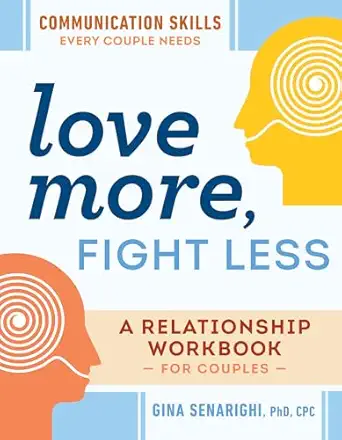 | Best Workbook for Skill-Building | Format: Relationship workbook | Focus: Communication skills and conflict reduction | Approach: Guided exercises | VIEW LATEST PRICE | See Our Full Breakdown |
| Questions for Humans: Intimacy – 52 Conversation Starters |  | Best Low-Commitment Weekly Ritual | Format: Conversation starter book/deck | Number of prompts: 52 conversation starters | Focus: Intimacy and reconnection | VIEW LATEST PRICE | See Our Full Breakdown |
| Communicate Your Feelings (Without Starting a Fight) |  | Best for Conflict-Averse Partners | Format: Advice book | Focus: Expressing feelings without conflict | Approach: Phrase-level scripts and strategies | VIEW LATEST PRICE | See Our Full Breakdown |
| BestSelf Intimacy Deck – 170 Conversation Cards for Couples |  | Best Overall Card Deck | Number of Cards: 170 | Categories: 7 curated categories | Age Range: 17 years and up | VIEW LATEST PRICE | See Our Full Breakdown |
| Couples Edition – 199 Meaningful Conversation Cards for Couples |  | Best Value Card Deck | Number of Cards: 199 | Suitable For: Couples | Use Cases: Date night, travel, special occasions | VIEW LATEST PRICE | See Our Full Breakdown |
| The CBT Couples Toolbox: Over 45 Exercises to Improve Communication, Navigate Problems and Build Strong Relationships | 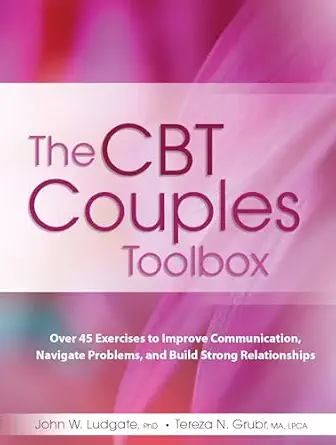 | Best for Structured Skills Work | Format: Paperback workbook | Number of Exercises: 45+ | Approach: Cognitive-behavioral therapy (CBT) | VIEW LATEST PRICE | See Our Full Breakdown |
| Communication Skills for Couples: Guide to Improve Communications, Resolve Conflict, Deepen Intimacy, Strengthen Marriage and Create a Healthy Relationship |  | Best Beginner’s Guide | Format: Paperback guide | Focus Areas: Communication, conflict resolution, intimacy, marriage strengthening | Audience: Couples and married partners | VIEW LATEST PRICE | See Our Full Breakdown |
| Let’s Get Deep: A Couples Question Card Game |  | Best for Playful Date Nights | Intended Audience: Couples, adults 17+ | Game Type: Question card game | Categories: Ice Breaker, Deep, Deeper, Activity | VIEW LATEST PRICE | See Our Full Breakdown |
| FLUYTCO Love Lingual: The Original Couples Card Game |  | Best Category Variety | Number of Cards: 150 | Categories: Couple, Intimacy, Past & Future, Individual, Family | Format: Card game, conversation-based | VIEW LATEST PRICE | See Our Full Breakdown |
| Reconnect: A Marriage Counseling Workbook: Guided Conversations & Exercises for a Long-Lasting Relationship |  | Best Deep-Repair Workbook | Format: Paperback workbook | Content Type: Guided conversations and exercises | Focus Areas: Communication, intimacy, long-term relationship strength | VIEW LATEST PRICE | See Our Full Breakdown |
| Life Sutra Couple Reconnect Card Game, 150 Conversation Cards to Build Trust, Deepen Bond & Strengthen Communication |  | Best Gift Pick | Number of Cards: 150 | Material: Cardstock | Recommended Age: 16 years and up | VIEW LATEST PRICE | See Our Full Breakdown |
| Couples Connection Cards – 50 Conversation Starters for Couples |  | Best Budget Starter Deck | Number of Cards: 50 | Intended Use: Couples conversation starter game | Relationship Stages: All stages | VIEW LATEST PRICE | See Our Full Breakdown |
| 8-Week Couples Therapy Workbook: Essential Strategies to Connect, Improve Communication, and Strengthen Your Relationship |  | Best Structured Program | Format: Spiral-bound workbook | Program Length: 8 weeks | Content Type: Exercises, strategies, guided practice | VIEW LATEST PRICE | See Our Full Breakdown |
| couples communication tool | Format | Approach |
|---|---|---|
| The Seven Principles for Makin | Paperback book | Educational/diagnostic |
| The Fair Play Deck | Conversation card deck | Structured, task-oriented dialogue |
| Love More | Relationship workbook | Guided exercises |
| Questions for Humans: Intimacy | Conversation starter book/deck | Prompt-based dialogue |
| Communicate Your Feelings | Advice book | Phrase-level scripts and strategies |
| BestSelf Intimacy Deck | — | — |
| Couples Edition | Physical conversation card deck | — |
| The CBT Couples Toolbox: Over | Paperback workbook | Cognitive-behavioral therapy (CBT) |
| Communication Skills for Coupl | Paperback guide | Practical communication strategies |
| Let’s Get Deep: A Couples Ques | — | — |
| FLUYTCO Love Lingual: The Orig | Card game, conversation-based | — |
| Reconnect: A Marriage Counseli | Paperback workbook | Marriage counseling-inspired, self-guided |
| Life Sutra Couple Reconnect Ca | Conversation card game | — |
| Couples Connection Cards | Physical conversation cards | — |
| 8-Week Couples Therapy Workboo | Spiral-bound workbook | Therapy-informed, week-by-week structure |
More Details on Our Top Picks
The Seven Principles for Making Marriage Work
This pick makes the most sense for couples who want a research-backed foundation before reaching for any card deck or workbook. Written from decades of observational research by relationship expert John Gottman, it explains why marriages fail and which behaviors predict divorce — something no conversation deck, including the Fair Play Deck, can teach you. Compared with workbooks like Love More, Fight Less, this book goes deeper on diagnosis but lighter on structured exercises, so it works best as the theory layer of your communication toolkit.
The tradeoff: it’s a book, not a tool. Couples who want something to do together at the dinner table on Tuesday night will get more immediate use from a card game.
Pros:- Grounded in decades of clinical research rather than opinion
- Teaches predictive warning signs of relationship failure
- Written by one of the most cited relationship researchers
- Serves as a foundation that makes other tools more effective
Cons:- Reading-heavy format requires individual motivation to finish
- Fewer hands-on exercises than workbook-style alternatives
Best for: Couples who want to understand the underlying dynamics of their relationship before practicing skills
Not ideal for: Couples seeking an interactive, do-it-together activity — there are no cards or shared exercises to work through as a pair
- Format:Paperback book
- Author:John Gottman, PhD, with Nan Silver
- Focus:Marriage research and principles
- Approach:Educational/diagnostic
- Interactive elements:Limited; mostly reading
- Best pairing:Card decks or workbooks for practice
Our verdict“Buy this first if you want to understand your relationship patterns at the root level; skip it if you want a shared weekly activity.”
The Fair Play Deck
Most couples’ communication tools ask about feelings; this one asks about who does the dishes. Built on Eve Rodsky’s Fair Play method, this deck turns invisible household and emotional labor into a concrete conversation about priorities and ownership. Compared with lighter prompt decks like Questions for Humans: Intimacy, this is far more practical and task-oriented — less about reconnecting romantically, more about rebalancing the daily load.
The catch is real, though: this deck works only when both partners actively engage, and it can surface friction fast. That honesty is the point, but couples in acute conflict may find it more inflammatory than connective.
Pros:- Turns household labor resentment into structured conversation
- Based on a widely recognized fairness framework
- Action-oriented rather than abstract
- Compact card format fits into busy schedules
Cons:- Requires full buy-in from both partners to work
- Can intensify tension in already-high-conflict relationships
Best for: Dual-career or parenting couples arguing about unequal household and mental load
Not ideal for: Couples looking for romantic or emotional connection prompts — this is logistics-focused, not intimacy-focused
- Format:Conversation card deck
- Based on:Fair Play method by Eve Rodsky
- Focus:Household labor and priorities
- Number of cards:Card deck based on the Fair Play system
- Approach:Structured, task-oriented dialogue
- Time commitment:Ongoing; designed for repeated use
Our verdict“If your arguments revolve around chores, childcare, and mental load rather than romance, this is the deck for you.”
Love More, Fight Less: Communication Skills Every Couple Needs
This option stands out for bridging the gap between reading about communication and actually practicing it. Where The Seven Principles explains the science, this workbook hands you exercises to rehearse conflict-reduction skills week by week. Compared with prompt-based tools like the BestSelf Intimacy Deck, it’s less fun and more homework — but that’s exactly why it produces behavior change rather than just pleasant conversations.
The tradeoff is effort. Like the Fair Play Deck, it demands genuine participation from both partners, and a half-committed partner will stall the exercises. It’s also lighter on theory, so couples who want to understand why they fight should pair it with a research-based book.
Pros:- Hands-on exercises build skills through practice, not just reading
- Directly targets conflict-reduction techniques
- Workbook format creates a shared project for both partners
- Progressive structure rather than random prompts
Cons:- Both partners must actively participate for results
- Minimal theoretical grounding compared with research-based books
Best for: Couples ready to do structured homework together to actively reduce recurring conflicts
Not ideal for: Couples wanting a low-effort, game-night style activity — the exercises require commitment and time
- Format:Relationship workbook
- Focus:Communication skills and conflict reduction
- Approach:Guided exercises
- Interactive elements:Written exercises for couples
- Time commitment:Ongoing workbook progression
- Best pairing:A research-based book for context
Our verdict“The right choice for couples who want to practice their way out of recurring fights rather than just talk around them.”
Questions for Humans: Intimacy – 52 Conversation Starters
Of all the prompt-based options in this roundup, this one is built around a manageable cadence: 52 questions, one per week. That makes it less overwhelming than the 170-card BestSelf Intimacy Deck or the 150-card Life Sutra game, which are better for long sessions but harder to sustain as a habit. The prompts lean specifically toward reigniting intimacy, a narrower aim than general-purpose decks like Let’s Get Deep.
The limitation is depth. These are conversation starters, not therapy — couples facing serious disconnection or trust issues will outgrow this quickly and would get more from Reconnect: A Marriage Counseling Workbook instead.
Pros:- Weekly cadence makes it sustainable long-term
- Specifically focused on intimacy rather than general topics
- Low time commitment per session
- Affordable and easy to gift
Cons:- Too shallow for relationships in real distress
- Only 52 prompts — a full year exhausts the deck
Best for: Busy couples who want a low-effort, once-a-week ritual to slowly rebuild intimacy
Not ideal for: Couples in serious conflict — the prompts are surface-level starters that don’t address deeper problems
- Format:Conversation starter book/deck
- Number of prompts:52 conversation starters
- Focus:Intimacy and reconnection
- Intended cadence:One prompt per week
- Approach:Prompt-based dialogue
- Depth level:Light to moderate
Our verdict“A gentle, habit-forming pick for couples drifting apart who want small consistent steps, not intensive repair work.”
Communicate Your Feelings (Without Starting a Fight)
This book fills a specific gap in the lineup: what to actually say and what not to say in the heat of a moment. Where Love More, Fight Less gives you exercises to complete together, this one is a phrase-level guide for the partner who shuts down or escalates when emotions run high. It suits conflict-averse individuals who can read it solo and apply scripts immediately, without needing their partner to participate.
That solo focus is also the drawback. Compared with paired tools like the Fair Play Deck, it doesn’t create shared dialogue — one partner improving their phrasing only goes so far if the other isn’t involved. It’s also thinner on relationship-wide strategy than the Gottman book.
Pros:- Provides concrete phrasing rather than abstract advice
- Can be read and applied by one partner alone
- Directly targets the fight-or-shutdown dynamic
- Immediate, practical takeaways
Cons:- Doesn’t create shared dialogue the way paired tools do
- Limited strategic depth compared with research-based books
Best for: One partner who struggles to express difficult emotions without sparking an argument
Not ideal for: Couples seeking a shared activity or workbook — this is a solo read with scripts, not a joint exercise
- Format:Advice book
- Focus:Expressing feelings without conflict
- Approach:Phrase-level scripts and strategies
- Usage:Solo reading; partner participation optional
- Interactive elements:Minimal
- Depth level:Tactical and situational
Our verdict“The right pick if one partner needs a script for hard conversations — but it won’t fix a relationship alone.”
BestSelf Intimacy Deck – 170 Conversation Cards for Couples
Among the many conversation decks in this roundup, this one stands out for its breadth and structure: 170 prompts organized into seven categories, so a couple can steer toward humor one night and vulnerability the next. Compared with the Couples Edition 199-card deck, it trades raw card count for curated pacing, which matters more than volume when you actually sit down to play. The category system also gives it an advantage over Let’s Get Deep, which leans heavily into mature content rather than emotional range.
The tradeoff is intensity. Prompts are designed to go deep quickly, so couples hoping for a relaxed, laugh-forward game night may find the tone heavier than expected — this is a deck for building connection, not killing time.
Pros:- 170 prompts across 7 categories give couples control over tone and depth
- Trusted by a very large user base, so prompts are well-vetted
- Works as a meaningful gift for anniversaries and long-distance relationships
- Cardstock build holds up to repeated date-night use
Cons:- Prompts can feel too personal or intense early in a relationship
- Limited replay value once you’ve worked through all 170 cards
Best for: Couples who want a repeatable, structured ritual for deeper emotional conversations, including long-distance pairs
Not ideal for: Couples wanting a casual, light-hearted party game — the prompts are deliberately personal and intense
- Number of Cards:170
- Categories:7 curated categories
- Age Range:17 years and up
- Brand:BestSelf Co.
- Material:Cardstock
- Included Components:Conversation prompt cards
- Warranty & Support:Amazon.com 30-Day Return Guarantee
- UPC:851042008611
Our verdict“If you want one deck that can carry months of date nights and flex between playful and profound, this is the one to buy.”
Couples Edition – 199 Meaningful Conversation Cards for Couples
This deck’s pitch is simple: more cards per dollar than nearly anything else in the category, with 199 prompts covering the same emotional territory as pricier rivals. Where the BestSelf Intimacy Deck organizes everything into seven named categories, this deck is more freeform — that’s a real tradeoff. Couples who like guided progression may miss the structure, but pairs who just want to shuffle and start talking will find the lower barrier appealing.
Compared with the smaller Couples Connection Cards deck (50 starters), this option makes sense for couples who converse often and would burn through a slim deck in a few sittings. The lack of material specifications and any digital companion keeps it feeling like a budget product, though — fine cards, minimal polish.
Pros:- 199 prompts offer the most content-per-dollar among decks in this roundup
- Portable and occasion-flexible: date nights, travel, anniversaries
- Low-commitment format that’s easy to start without rules or setup
Cons:- No category structure, so sessions can feel unfocused compared with BestSelf’s approach
- Material quality is unspecified, suggesting a no-frills production
Best for: Budget-conscious couples who want maximum prompt variety for frequent date nights, trips, or road conversations
Not ideal for: Couples who want structured programs or therapist-designed frameworks — this is question volume, not methodology
- Number of Cards:199
- Suitable For:Couples
- Use Cases:Date night, travel, special occasions
- Format:Physical conversation card deck
- Material:Not specified
- Group Use:Couples only — not designed for group play
- Digital Version:Not available
Our verdict“The best pick if you want a large, affordable question bank and don’t need a curated framework around it.”
The CBT Couples Toolbox: Over 45 Exercises to Improve Communication, Navigate Problems and Build Strong Relationships
Card decks prompt conversations; this book teaches them. With over 45 cognitive-behavioral therapy exercises, it sits closer to the Reconnect marriage counseling workbook than to any deck in this roundup — the difference is its grounding in a single, evidence-based framework rather than a mix of guided reflections. Couples dealing with recurring conflict patterns will get more from one CBT exercise than from a hundred icebreaker questions.
The honest tradeoff is effort. Unlike shuffling the BestSelf Intimacy Deck on a whim, this demands scheduled time and follow-through, and it’s explicitly not a replacement for therapy when a relationship is in serious distress. It rewards couples who treat it as homework, and underwhelms those who treat it as a browse.
Pros:- 45+ actionable exercises rather than abstract advice
- Grounded in cognitive-behavioral therapy, a well-researched approach
- Directly targets conflict resolution, not just pleasant conversation
Cons:- Requires sustained commitment to complete the exercises
- Not a substitute for professional couples therapy
Best for: Motivated couples who want a therapist-informed, exercise-based program to break specific conflict cycles
Not ideal for: Couples in acute crisis or those wanting a passive, entertaining date-night activity — it requires real commitment
- Format:Paperback workbook
- Number of Exercises:45+
- Approach:Cognitive-behavioral therapy (CBT)
- Focus Areas:Communication, conflict resolution, relationship strength
- Audience:Couples
- Commitment Level:High — requires completing exercises over time
- ASIN:1683731026
Our verdict“The right choice for couples ready to do structured work on how they communicate, not just what they talk about.”
Communication Skills for Couples: Guide to Improve Communications, Resolve Conflict, Deepen Intimacy, Strengthen Marriage and Create a Healthy Relationship
Where the CBT Couples Toolbox assumes you’re ready to work through exercises, this guide assumes you’re starting from zero and just need the core vocabulary of healthy communication: how to raise issues without escalating, how to listen, how to repair after conflict. That makes it the gentlest entry point in this roundup — closer in spirit to Love More, Fight Less, but narrower and more affordable as a first read.
The tradeoff is depth. There are no exercises, no worksheets, and little that’s personalized to your specific relationship, so couples who’ve already read a communication book or done a workshop will find the content familiar and somewhat generic. Its value is as an on-ramp, not a destination.
Pros:- Covers the full arc: conflict resolution, intimacy, and long-term relationship health
- Approachable writing with no prerequisites or homework
- Affordable, quick read that fits busy schedules
Cons:- Content can feel generic without tailored, situation-specific advice
- No exercises or interactive elements to practice the skills
Best for: Newlyweds or newly committed couples who’ve never read about communication and want an accessible, low-pressure primer
Not ideal for: Couples who already know the basics and want targeted exercises or personalized strategies — they’ll outgrow it quickly
- Format:Paperback guide
- Focus Areas:Communication, conflict resolution, intimacy, marriage strengthening
- Audience:Couples and married partners
- Interactive Elements:None — reading-focused
- Approach:Practical communication strategies
- Commitment Level:Low — self-paced reading
- ASIN:1069108952
Our verdict“A sensible first book for couples opening the communication conversation for the very first time.”
Let’s Get Deep: A Couples Question Card Game
This deck splits the difference between a party game and an intimacy tool. Its tiered structure — Ice Breaker, Deep, Deeper, and Activity cards — creates a natural escalation that feels more game-like than the BestSelf Intimacy Deck’s category system, and the Activity cards give it a physical, playful dimension no other deck here offers. For couples whose conversations stall at ‘how was your day,’ the ramp from light to serious solves a real problem.
The catch is the mature content: unlike the Couples Edition 199-card deck, this one is firmly rated 17+ and leans suggestive in places, so it’s a poor fit for conservative couples or as a gift for new partners you don’t know well. It also demands active participation from both people — one checked-out partner flattens the whole experience.
Pros:- Tiered Ice Breaker → Deep → Deeper structure makes vulnerability feel gradual and fun
- Activity cards add variety beyond pure Q&A
- Regularly updated content keeps prompts fresh
- Strong gift option for anniversaries, weddings, and showers
Cons:- Mature 17+ content limits gifting and audience range
- Falls flat if one partner doesn’t engage actively
Best for: Couples who want date nights to feel like a game with escalating intimacy, especially for anniversaries and romantic getaways
Not ideal for: Couples uncomfortable with mature or suggestive content, or pairs where one partner is reluctant to participate fully
- Intended Audience:Couples, adults 17+
- Game Type:Question card game
- Categories:Ice Breaker, Deep, Deeper, Activity
- Suitable For:Date nights, gifts, anniversaries, wedding showers
- Content Rating:Mature content, 17+
- Participation:Requires both partners actively playing
- ASIN:B08PQ14F57
Our verdict“The most fun-first pick in the lineup — ideal for couples who want depth delivered with a sense of play.”
FLUYTCO Love Lingual: The Original Couples Card Game
Among the conversation decks in this roundup, Love Lingual stands out for how it organizes 150 questions into five distinct categories — Couple, Intimacy, Past & Future, Individual, and Family. That structure matters more than it sounds: compared with the Life Sutra Couple Reconnect deck, which mixes its 150 prompts together, Love Lingual lets a pair steer the evening toward lighter territory or go deeper on purpose. Because there are no rules or setup, it works as well on a road trip as on a couch date. The tradeoff is intensity — questions can get personal fast, which is a feature for established couples but a hurdle for newer ones. And unlike Let’s Get Deep, there’s no game mechanics layer, so couples wanting playfulness over reflection may find it one-note.
Pros:- Five themed categories let couples control depth and topic
- 150 questions provide long-term replay value
- No setup or rules — usable anywhere, from date nights to road trips
- Suits any relationship stage from dating to long-term marriage
Cons:- Some prompts feel too personal or intense for newer relationships
- Purely conversation-based with no game or competitive elements
Best for: Established couples who want intentional, themed conversations and the ability to control how deep each session goes
Not ideal for: New couples or partners uncomfortable with probing personal questions — the Family and Past categories can feel invasive early on
- Number of Cards:150
- Categories:Couple, Intimacy, Past & Future, Individual, Family
- Format:Card game, conversation-based
- Setup Required:None
- Usage Settings:Date nights, long drives, trips, relaxing evenings
- Relationship Stages:All stages
- Portability:Compact, travel-friendly
Our verdict“This deck makes the most sense for couples who want structured, self-directed depth rather than party-game energy.”
Reconnect: A Marriage Counseling Workbook: Guided Conversations & Exercises for a Long-Lasting Relationship
Where card decks like Love Lingual spark conversation on demand, Reconnect takes a different bet: that a struggling marriage needs guided exercises and structured conversations closer to what a counselor would assign. This is the pick for couples who aren’t looking for a fun date-night add-on but for active repair work on communication and intimacy together. Compared with the 8-Week Couples Therapy Workbook, Reconnect is less schedule-driven — there’s no week-by-week roadmap, which some couples will find freeing and others will find directionless. The honest tradeoff: workbooks demand real commitment, and partners who aren’t equally bought-in tend to stall. If your relationship is healthy and you just want fun prompts, a deck like the Couples Connection Cards is a lighter, cheaper entry point than this.
Pros:- Counseling-inspired guided conversations and exercises
- Targets both communication and intimacy, not just icebreakers
- Practical, exercise-driven format rather than pure theory
- Suited to long-term relationships and marriages specifically
Cons:- Requires sustained commitment from both partners to work
- Denser and less immediately fun than card-based alternatives
Best for: Married or long-term couples facing communication breakdowns who want counseling-style exercises without the therapist’s bill
Not ideal for: Couples wanting casual, low-effort fun — this requires both partners to sit down and do real work on a schedule
- Format:Paperback workbook
- Content Type:Guided conversations and exercises
- Focus Areas:Communication, intimacy, long-term relationship strength
- Intended Users:Married and long-term couples
- Approach:Marriage counseling-inspired, self-guided
- Effort Level:High — ongoing participation required
Our verdict“Choose this workbook when the goal is repairing a strained marriage, not spicing up a healthy one.”
Life Sutra Couple Reconnect Card Game, 150 Conversation Cards to Build Trust, Deepen Bond & Strengthen Communication
The Life Sutra Couple Reconnect deck occupies the warm middle ground of this roundup: 150 prompts aimed at emotional connection and empathy, without the intensity of Love Lingual‘s category structure or the sheer volume of the BestSelf Intimacy Deck’s 170 cards. What sets it apart is presentation — it reads as a genuine gift for anniversaries, weddings, and occasions, which is why it earns the gift slot here. Play is simple enough for a relaxed evening or travel, and it works for couples 16 and up, making it one of the more age-flexible options. The flip side is that it does one thing only: conversation. Couples hoping for a competitive game night will be underwhelmed, and its single unsorted deck gives less control over depth than Love Lingual’s themed categories.
Pros:- 150 prompts focused on trust, empathy, and emotional warmth
- Simple, rules-light play that suits relaxed evenings and travel
- Attractive as a gift for weddings, anniversaries, and occasions
- Recommended for ages 16+, making it suitable for younger couples too
Cons:- No game mechanics — purely conversation-based interaction
- Prompts aren’t categorized, so depth is less controllable than themed decks
Best for: Shoppers buying a thoughtful, ready-to-give present for another couple — or partners wanting gentle, low-pressure bonding prompts
Not ideal for: Couples who want a competitive or active game night — this is purely conversation-based
- Number of Cards:150
- Material:Cardstock
- Recommended Age:16 years and up
- Model Name:Connect-150
- Focus Areas:Trust, emotional bond, communication
- Usage Settings:Relaxed nights, travel, gifting
- Format:Conversation card game
Our verdict“The easiest gift-to-give option in this lineup, best for gentle connection rather than game-night energy.”
Couples Connection Cards – 50 Conversation Starters for Couples
At 50 cards, this deck is the lowest-commitment entry point in the roundup — ideal for couples curious whether conversation tools even work for them before investing in the 150–199 card heavyweights like Love Lingual or the Couples Edition deck. The prompts are crafted to balance deep and fun, and the compact, travel-friendly format makes it a natural fit for long-distance couples who want something to do over video calls or during visits. The tradeoff is simple math: 50 questions burn out fast for couples who connect weekly, so heavy users will outgrow it within a couple of months. There are no digital features either, and like every deck in this guide, it lives or dies on whether both partners actually want to engage — a shy or skeptical partner makes any card deck a shelf decoration.
Pros:- Affordable, low-risk introduction to conversation decks
- Compact and travel-friendly, great for long-distance relationships
- Mixes deep and fun prompts suitable for all relationship stages
- Attractive small gift for anniversaries and weddings
Cons:- Only 50 questions — limited for ongoing weekly use
- No digital or interactive companion features
- Depends entirely on both partners’ willingness to engage
Best for: Long-distance couples and first-time buyers who want an affordable, low-commitment way to test conversation cards
Not ideal for: Couples who talk regularly and want a long-term tool — 50 cards won’t sustain months of use
- Number of Cards:50
- Intended Use:Couples conversation starter game
- Relationship Stages:All stages
- Portability:Compact, travel-friendly
- Format:Physical conversation cards
- Gift Suitability:Anniversaries, weddings, special occasions
Our verdict“A smart first purchase for testing the waters, especially for long-distance pairs — just expect to graduate to a bigger deck.”
8-Week Couples Therapy Workbook: Essential Strategies to Connect, Improve Communication, and Strengthen Your Relationship
The 8-Week Couples Therapy Workbook is the most scaffolded option in this roundup: instead of open-ended exercises like Reconnect, it breaks improvement into a week-by-week, eight-week program with clear strategies for communication and emotional intimacy. That structure is the whole point — couples who flounder with “do this whenever” workbooks get deadlines and direction, and the spiral binding means it lies flat for writing during exercises. Compared with card decks like Life Sutra, this demands considerably more: it’s a commitment device, not entertainment, and skipping weeks undermines the progression. It’s also light on independent validation, with fewer reviews than established rivals like Love More, Fight Less. This pick makes the most sense for disciplined pairs who want therapy-style guidance on a defined timeline, and the wrong choice for anyone hoping for casual conversation starters.
Pros:- Structured eight-week format with clear weekly progression
- Therapy-informed strategies for communication and connection
- Spiral binding lies flat for easy writing during exercises
- Covers both conflict skills and emotional intimacy
Cons:- Requires consistent weekly commitment from both partners
- Fewer reviews and less track record than better-known workbooks
Best for: Motivated couples who want a defined eight-week program with clear weekly goals rather than open-ended exercises
Not ideal for: Couples with unpredictable schedules or low accountability — missing weeks breaks the program’s progression
- Format:Spiral-bound workbook
- Program Length:8 weeks
- Content Type:Exercises, strategies, guided practice
- Focus Areas:Communication, connection, relationship strength
- Approach:Therapy-informed, week-by-week structure
- Effort Level:High — weekly consistency required
Our verdict“The best fit for couples who thrive on structure and want a finite, calendar-driven path to better communication.”

How We Picked
I evaluated each tool against five criteria that map to how couples actually use these products: effectiveness of the communication framework (does it teach transferable skills or just generate conversation?), ease of adoption (can a reluctant partner engage without feeling ambushed by homework?), depth and honesty demanded (superficial prompts score lower for couples in conflict), replay or reuse value for decks, and price relative to the size of the change promised. A $15 deck that gets used weekly beats a $35 workbook that sits on a shelf, so friction-to-start was weighted heavily.
The ranking reflects a simple logic: tools grounded in established therapeutic models (Gottman principles, CBT techniques) placed above generic prompt decks, and tools that specify who they serve placed above one-size-fits-all options. Where two products covered similar ground, I favored the one with clearer structure and better escalation paths — a way for couples to move from easy questions to harder ones as trust builds.
Factors to Consider When Choosing Couples Communication Tools
Before choosing a specific product, it helps to understand what separates the formats and where buyers most often go wrong. These are the factors I would weigh before spending anything in this category.
Match the Format to Your Actual Problem
The most common mistake is buying a card deck to solve a conflict problem. Decks are built for connection and discovery — they work best when communication has gone flat but not hostile. If arguments follow predictable patterns, interruptions escalate, or one partner shuts down, a skills-based book or CBT-style workbook will do far more than any prompt card. Workbooks, in turn, are the wrong buy for couples who are fine but bored; forcing therapeutic exercises on a healthy relationship can feel like an accusation. Be honest about which of those two situations you are in before choosing.
Consider Your Partner’s Willingness
A tool only works if both people engage, and the reluctant partner determines your ceiling. If one of you is skeptical about “relationship homework,” a heavy workbook will likely be abandoned within two weeks — start with a game-format deck like Let’s Get Deep that disguises the work as play. If both partners are motivated, possibly because of a rough patch, a structured program is the better investment and the upfront effort feels justified. Buyers routinely overestimate their own consistency and underestimate their partner’s resistance, so choose for the less enthusiastic person, not the more enthusiastic one.
Depth Versus Replayability
Books and workbooks are largely one-time purchases: you work through them once, absorb the skills, and maybe revisit a few chapters. Decks are the opposite — their value comes from repeated use over months or years, which makes card quality and question variety the deciding factors. A 50-card deck with sharp, specific prompts often outperforms a 200-card deck padded with filler questions you will skip. Check whether a deck offers tiered intensity (light, deep, deeper), because a flat difficulty level gets stale fast.
Watch for Secular-Clinical Versus Values-Based Content
Several popular workbooks in this category, including some marriage-focused ones, weave religious framing into their exercises. That is a feature for some couples and a dealbreaker for others, and product pages do not always make it obvious. Read the publisher description and recent reviews specifically for mentions of faith-based language before buying. The clinically-grounded options (CBT-based, Gottman-based) take a deliberately neutral stance, which matters if you want techniques without a values overlay.
When to Pay More
Under $20 you are almost always buying a conversation deck, and quality varies wildly at that price. The $25–35 range is where the structured programs live, and that premium buys guided progression, exercises that build on each other, and enough content for weeks of work. Paying more than that rarely improves outcomes unless the product includes professional structure like a therapist-designed curriculum. A useful rule: spend more when the relationship problem is specific and recurring, spend less when the goal is general closeness and novelty.
Avoid the Stack-and-Abandon Trap
Many couples buy three or four of these products at once, use each for a week, and finish none of them. One well-chosen tool used consistently for two months beats a shelf of half-completed ones. Pick the single format that fits your situation, commit to a fixed cadence — weekly is typical — and only add another tool if the first one clearly is not working. Reviews across this category consistently show that consistency, not product choice, predicts results.
Frequently Asked Questions
Are card decks or workbooks better for a couple that fights frequently?
For frequent conflict, workbooks and skills-based books beat decks decisively. Card prompts generate positive conversation, but they do not teach you how to de-escalate an argument, recognize destructive patterns, or repair after a blow-up — those are learned skills. The CBT Couples Toolbox and Love More, Fight Less target exactly these mechanics, giving you scripts and exercises for the moments when communication actually breaks down. A deck can still play a supporting role during calm weeks, but it should not be your primary tool if fighting is the main issue. Think of decks as maintenance and workbooks as repair.
Which option works best if my partner is reluctant or skeptical about relationship exercises?
Game-framed decks are the reliable answer here because they lower the emotional stakes — answering a card feels like playing, not therapy. Let’s Get Deep and the FLUYTCO Love Lingual are designed with escalating question levels, so you can keep sessions light until buy-in grows naturally. Avoid leading with a workbook like Reconnect or the 8-Week Couples Therapy Workbook, because structured homework tends to trigger resistance in skeptical partners. Once the deck habit is established over a month or two, many couples find the transition to a workbook happens on its own. The sequencing matters more than the specific product.
Can these tools actually replace couples counseling?
No, and any product claiming otherwise should be treated with caution. These tools teach recognized frameworks — Gottman principles, CBT techniques — and they genuinely improve communication for motivated couples with mild to moderate issues. But counseling adds something none of them can: a third party who notices your specific blind spots, mediates in real time, and intervenes when conversations go off the rails. Couples dealing with betrayal, contempt, addiction, or one partner refusing to engage should go straight to a professional. For everyone else, these tools are a legitimate and far cheaper first step, and many therapists assign similar exercises as homework anyway.
How often should we use a couples communication tool for it to actually work?
Consistency beats intensity across every format. For card decks, one or two 20–30 minute sessions per week is the sweet spot — daily use tends to burn through questions and make sessions feel like an obligation. For workbooks and books, plan on one chapter or exercise set per week, which is why the 8-week programs are structured exactly that way. What rarely works is the marathon weekend session; couples retain skills better from short, repeated practice. Agree on the cadence before you start, because mismatched expectations about frequency is itself a common source of friction.
Is a bigger card deck always the better value?
No — card count is the most overused selling point in this category. Large decks like the 199-card Couples Edition give you longevity, but many pad their numbers with shallow or repetitive prompts that get skipped after the first pass. A smaller, well-edited deck like the 50-card Couples Connection Cards can deliver a higher hit rate, meaning more questions per session that actually spark real conversation. Judge decks by sample questions and reviews mentioning depth, not by the number on the box. The exception is couples who plan weekly use for a year or more, where raw quantity does start to matter.
Conclusion
For best overall, The Seven Principles for Making Marriage Work delivers the strongest combination of credible research, practical exercises, and skills that outlast the book itself. The best value pick is Love More, Fight Less, which packs genuinely useful conflict techniques into a low-priced package. Couples wanting a premium, therapist-grade experience should choose the 8-Week Couples Therapy Workbook, which offers the most guided progression in the lineup. For beginners and reluctant partners, the BestSelf Intimacy Deck is the easiest entry point — fun, repeatable, and pressure-free. And for specific needs: the Fair Play Deck for couples arguing over household load, the CBT Couples Toolbox for entrenched conflict patterns, and Let’s Get Deep for date nights that have gone stale. Whatever you choose, pick one tool, set a weekly rhythm, and give it two months — that habit, not the product, is what changes how you communicate.
Halloween Picks
halloween
As an affiliate, we earn on qualifying purchases.