

Couples communication tools come in many shapes — structured workbooks, daily habit guides, and research-backed marriage manuals — and the right one depends on how much time and effort you and your partner can realistically commit. The Couples Communication Workbook: 20 Minutes a Day for 12 Days earns my top spot because it fits into real schedules and delivers visible progress in under two weeks, which is where most self-guided couples give up. For couples who want an authoritative, research-based foundation rather than exercises, The Seven Principles for Making Marriage Work remains the gold standard, while Love More, Fight Less is the better fit when conflict keeps derailing every conversation. The main tradeoff in this category is depth versus time commitment: 8- and 12-week programs promise deeper change but demand sustained buy-in from both partners, while short-format guides get done but may skim the surface. Keep reading for the full breakdown of all 14 tools and who each one actually suits.

Get gifts for the two of you delivered free with Prime
- Fast, free delivery on millions of items
- Prime Video, Amazon Music and more included
- Member-only deals all year
Key Takeaways
- Short, time-boxed programs (12-day and 20-minute formats) consistently outperform longer ones for couples new to structured communication work, because completion rates — not content depth — determine results.
- The 8- and 12-week workbooks in this roundup overlap heavily; the differentiators are structure for two people (dual-pen formats, paired exercises) rather than topic coverage.
- Gottman-based research backing (The Seven Principles) trades actionable exercises for credibility and explanation, making it better for understanding problems than fixing them week to week.
- Conflict-specific guides like Communicate Your Feelings (Without Starting a Fight) solve a narrower problem than general workbooks but solve it more effectively — a better buy for couples whose main issue is how arguments start.
- Trust-rebuilding programs (Reconnect, Relationship Workbook for Couples) assume a serious commitment level; casual or pre-commitment couples will find them heavier than needed.
| Communication Skills for Couples: Guide to Improve Communications, Resolve Conflict, Deepen Intimacy, Strengthen Marriage and Create a Healthy Relationship |  | Best Overall | Format: Print book | Type: Communication guide | Focus areas: Communication, conflict resolution, intimacy, marriage strengthening | VIEW LATEST PRICE | See Our Full Breakdown |
| Couples Communication Workbook: 20 Minutes a Day for 12 Days to Improve Listening, Resolve Conflicts, and Strengthen Your Relationship |  | Best for Busy Couples | Format: Workbook | Daily time required: 20 minutes | Program length: 12 days | VIEW LATEST PRICE | See Our Full Breakdown |
| The Couples Communication Handbook: Your Roadmap to Stronger, Healthier Communication and Deeper Connection |  | Best for Reconnecting Emotionally | Format: Handbook (print/digital) | Type: Roadmap-style communication guide | Focus areas: Healthier communication, deeper emotional connection | VIEW LATEST PRICE | See Our Full Breakdown |
| Communicate Your Feelings (Without Starting a Fight): What to Say and What Not to Say to Your Partner |  | Best for Conflict-Prone Couples | Format: Advice book | Type: Targeted communication guide | Focus areas: Expressing feelings, avoiding conflict escalation | VIEW LATEST PRICE | See Our Full Breakdown |
| Relationship Workbook for Couples: 8-Week Program and Proven Strategies to Rebuild Trust, Resolve Conflict, Improve Communication, and Rekindle Intimacy |  | Best for Repairing Serious Relationship Damage | Format: Workbook | Program length: 8 weeks | Focus areas: Trust rebuilding, conflict resolution, communication, intimacy | VIEW LATEST PRICE | See Our Full Breakdown |
| Reconnect: A Marriage Counseling Workbook |  | Best for Marriage Repair | Format: Paperback workbook | Approach: Guided conversations and couples exercises | Primary Focus: Communication and intimacy repair | VIEW LATEST PRICE | See Our Full Breakdown |
| The Two-Pen Relationship Workbook for Couples: An 8-Week Program Built for Both of You |  | Best for Busy Couples | Format: Couples workbook | Program Length: 8 weeks | Session Length: 15-minute exercises | VIEW LATEST PRICE | See Our Full Breakdown |
| 8-Week Couples Communication Workbook |  | Best for Deep Skill Building | Format: Workbook | Program Length: 8 weeks | Exercise Style: Proven step-by-step exercises | VIEW LATEST PRICE | See Our Full Breakdown |
| The Practical Communication Handbook for Couples: 150 Daily Habits to Build Healthy Communication, Reignite Intimacy, and Strengthen Your Relationship | 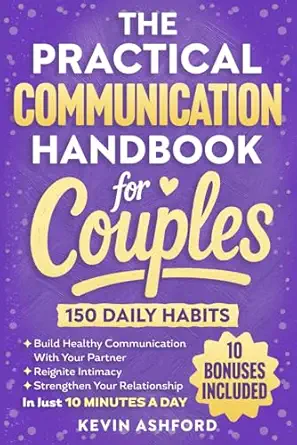 | Best Low-Commitment Option | Format: Habit-based handbook | Content: 150 daily habits | Daily Time Required: About 10 minutes | VIEW LATEST PRICE | See Our Full Breakdown |
| The Couples Communication Handbook: The Skills You Never Learned for the Marriage You Always Wanted |  | Best Skills Reference | Format: Skills-focused handbook | Approach: Practical communication strategies | Primary Focus: Understanding, connection, marriage quality | VIEW LATEST PRICE | See Our Full Breakdown |
| Love More, Fight Less: Communication Skills Every Couple Needs | 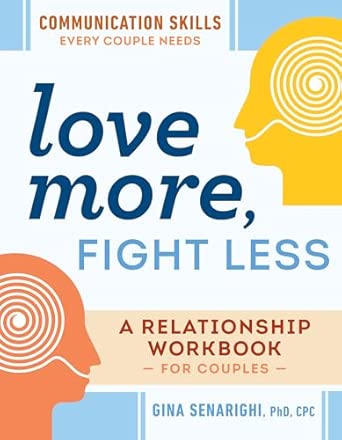 | Best for Conflict Reduction | Format: Relationship skills workbook | Focus: Communication skills and conflict reduction | Structure: Guided exercises and practical activities | VIEW LATEST PRICE | See Our Full Breakdown |
| 12-Week Relationship Therapy Workbook for Couples | 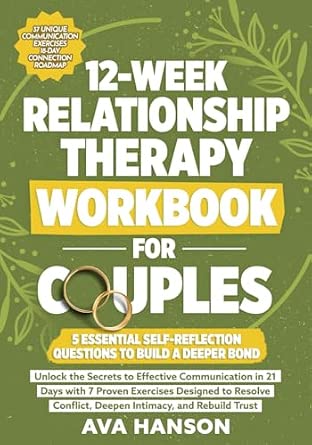 | Best Structured Long-Term Program | Format: Relationship therapy workbook | Program Length: 12 weeks | Exercises Included: 7 proven exercises | VIEW LATEST PRICE | See Our Full Breakdown |
| 8-Week Couples Therapy Workbook: Essential Strategies to Connect, Improve Communication, and Strengthen Your Relationship |  | Best Beginner-Friendly Program | Format: Spiral-bound workbook | Program Length: 8 weeks | Focus Areas: Communication, connection, relationship strength | VIEW LATEST PRICE | See Our Full Breakdown |
| The Seven Principles for Making Marriage Work: A Practical Guide from the Country’s Foremost Relationship Expert |  | Best Research-Backed Classic | Format: Practical guide book | Framework: Seven research-based principles | Author Credentials: Leading national relationship expert | VIEW LATEST PRICE | See Our Full Breakdown |
| couples communication tool | Format | Focus areas | Structure | Program length |
|---|---|---|---|---|
| Communication Skills for Coupl | Print book | Communication, conflict resolution, intimacy, marriage strengthening | Reference-style guide, not a timed program | Self-paced |
| Couples Communication Workbook | Workbook | Listening, conflict resolution, relationship strengthening | — | 12 days |
| The Couples Communication Hand | Handbook (print/digital) | Healthier communication, deeper emotional connection | Progressive roadmap format | — |
| Communicate Your Feelings | Advice book | Expressing feelings, avoiding conflict escalation | — | — |
| Relationship Workbook for Coup | Workbook | Trust rebuilding, conflict resolution, communication, intimacy | — | 8 weeks |
| Reconnect: A Marriage Counseli | Paperback workbook | — | Self-paced, flexible program | — |
| The Two-Pen Relationship Workb | Couples workbook | — | — | 8 weeks |
| 8-Week Couples Communication W | Workbook | — | — | 8 weeks |
| The Practical Communication Ha | Habit-based handbook | — | Standalone habits, non-sequential | — |
| The Couples Communication Hand | Skills-focused handbook | — | Non-sequential reference | — |
| Love More | Relationship skills workbook | — | Guided exercises and practical activities | — |
| 12-Week Relationship Therapy W | Relationship therapy workbook | Communication, conflict resolution, intimacy, trust | Weekly guided activities | 12 weeks |
| 8-Week Couples Therapy Workboo | Spiral-bound workbook | Communication, connection, relationship strength | — | 8 weeks |
| The Seven Principles for Makin | Practical guide book | Marriage strengthening and longevity | Principle-based chapters with practical advice | — |
More Details on Our Top Picks
Communication Skills for Couples: Guide to Improve Communications, Resolve Conflict, Deepen Intimacy, Strengthen Marriage and Create a Healthy Relationship
This guide earns the top spot because it covers the fullest range of communication problems in one place — conflict resolution, intimacy, and long-term relationship health. Compared with Couples Communication Workbook, which commits you to a 12-day exercise schedule, this book reads more like a reference you can dip into whenever a specific issue flares up, making it the better first purchase for couples who don’t yet know where their communication breaks down. The tradeoff is that reference-style books demand more self-direction: there’s no day-by-day structure forcing you to practice, so motivated pairs will get more from it than passive readers. Author credentials are also thin on the listing, so readers who want clinically grounded advice — the kind The Seven Principles for Making Marriage Work delivers — may want to verify before buying.
Pros:- Covers the widest range of topics in this lineup, from conflict to intimacy
- Flexible, reference-style format suits busy or unpredictable schedules
- Practical strategies rather than abstract theory
- Works as both a starting point and a refresher for established couples
Cons:- No daily exercises or built-in accountability to reinforce the concepts
- Limited author credential information on the listing
Best for: Couples who want a broad, all-purpose communication guide they can consult on demand rather than follow as a rigid program
Not ideal for: Couples who struggle with follow-through and need a workbook’s built-in structure and daily prompts to actually practice new skills
- Format:Print book
- Type:Communication guide
- Focus areas:Communication, conflict resolution, intimacy, marriage strengthening
- Structure:Reference-style guide, not a timed program
- Daily exercises:No
- Program length:Self-paced
Our verdict“Buy this if you want one general-purpose communication book instead of a scheduled program — skip it if you know you won’t practice without homework prompts.”
Couples Communication Workbook: 20 Minutes a Day for 12 Days to Improve Listening, Resolve Conflicts, and Strengthen Your Relationship
The headline promise here — 20 minutes a day for 12 days — is what separates this workbook from everything else in the roundup. Where the Relationship Workbook for Couples asks for an 8-week commitment, this option compresses the work into under two weeks, which makes it the most realistic entry point for partners with jobs, kids, or limited patience for relationship homework. The shorter arc has a real downside: two weeks is rarely enough to rewire entrenched patterns, so couples dealing with deeper trust damage will likely outgrow it quickly. Think of it as a sprint rather than the marathon format of the 8-week programs elsewhere in this guide. It’s best treated as a kickoff that builds the listening habit before graduating to something longer.
Pros:- Lowest time commitment in the roundup at 20 minutes daily
- Short 12-day arc creates momentum and a quick win
- Daily prompts build a consistent practice habit
- Focused specifically on listening and conflict resolution
Cons:- 12 days is too brief for entrenched relationship problems
- Requires both partners to commit to daily practice
Best for: Time-strapped couples who want a short, structured program they can realistically finish together in under two weeks
Not ideal for: Couples working through serious conflict or trust issues that need the sustained, multi-week work of a longer program
- Format:Workbook
- Daily time required:20 minutes
- Program length:12 days
- Focus areas:Listening, conflict resolution, relationship strengthening
- Exercise structure:Daily exercises
- Commitment level:Low-to-moderate
Our verdict“This is the pick for couples who’ve failed at longer programs because of time — just don’t expect it to resolve deep-seated issues in two weeks.”
The Couples Communication Handbook: Your Roadmap to Stronger, Healthier Communication and Deeper Connection
What distinguishes this handbook from Communication Skills for Couples is its emphasis on connection over mechanics. Both are reference-style guides, but this one frames communication as a roadmap toward emotional closeness rather than a toolkit for defusing arguments, which makes it a better match for couples whose conversations are polite but distant. The roadmap framing also gives it more narrative momentum than typical advice books — you’re following a progression rather than skipping between chapters. The tradeoff is that conflict-heavy couples may find it too gentle: if your problem is blowout fights rather than emotional drift, the more conflict-focused Communicate Your Feelings (Without Starting a Fight) or the Gottman-backed Seven Principles will serve you better. There’s also little third-party review data available, so you’re buying on the book’s framing alone.
Pros:- Frames communication around emotional connection, not just conflict tactics
- Roadmap structure gives a clear progression to follow
- Strong fit for couples who argue rarely but feel disconnected
- Healthier-dialogue focus applies to everyday conversations, not just crises
Cons:- Too soft an approach for high-conflict relationships
- Sparse review data and limited content-depth information on the listing
Best for: Couples in stable but emotionally distant relationships who want to rebuild closeness and depth in their conversations
Not ideal for: Couples in active, high-conflict patterns who need tactical de-escalation tools more than connection-building
- Format:Handbook (print/digital)
- Type:Roadmap-style communication guide
- Focus areas:Healthier communication, deeper emotional connection
- Structure:Progressive roadmap format
- Daily exercises:No
- Primary audience:Couples seeking reconnection
Our verdict“Choose this if your relationship feels flat rather than fractious — couples in frequent conflict should pick a more tactical option instead.”
Communicate Your Feelings (Without Starting a Fight): What to Say and What Not to Say to Your Partner
This is the most narrowly targeted book in the batch, and that’s its strength. Rather than covering intimacy, trust, and connection like the broader guides, it zooms in on one painful moment: raising a difficult feeling without it escalating into a fight. The what to say / what not to say format delivers ready-to-use phrasing, which gives it a practical edge over The Couples Communication Handbook when emotions are already running hot and you need words, not concepts. That narrowness cuts both ways — there’s little here about listening, trust-building, or long-term patterns, so it works best as a supplement rather than a standalone fix. Compared with a full workbook like the Couples Communication Workbook, it demands less commitment but also delivers less structural change.
Pros:- Highly specific what-to-say scripts you can use immediately
- Addresses the exact moment most communication breaks down
- Focused format means faster results on a single problem
- Lower commitment than workbook-based programs
Cons:- Narrow scope leaves listening and trust-building untouched
- Sparse detail and review data on the listing
Best for: Couples whose conversations regularly escalate into arguments and who want concrete scripts for raising sensitive feelings
Not ideal for: Couples seeking a complete relationship program covering listening, trust, and intimacy — this covers only one skill
- Format:Advice book
- Type:Targeted communication guide
- Focus areas:Expressing feelings, avoiding conflict escalation
- Format feature:What to say / what not to say phrasing
- Daily exercises:No
- Scope:Narrow, single-skill focus
Our verdict“Buy this as a tactical fix for frequent arguments — pair it with a broader guide if you want the full skill set.”
Relationship Workbook for Couples: 8-Week Program and Proven Strategies to Rebuild Trust, Resolve Conflict, Improve Communication, and Rekindle Intimacy
This is the most intensive option among the five, and it’s aimed at couples in genuine distress. Its 8-week program explicitly targets rebuilding trust — something no other pick in this batch prioritizes — alongside conflict, communication, and intimacy, making it the closest substitute for structured counseling among these books. Compared with the Couples Communication Workbook’s 12-day sprint, this demands real staying power: two months of exercises is a serious commitment, and half-finished workbooks tend to breed resentment rather than repair. It also overlaps with several other 8-week titles in the wider roundup, including the 8-Week Couples Therapy Workbook, so buyers should compare chapter focus before choosing. If your relationship is stable and you just want better conversations, this is more program than you need — the Communication Skills for Couples guide covers that lighter job.
Pros:- Only pick in this batch with trust-rebuilding as an explicit focus
- Long 8-week structure allows sustained, progressive change
- Combines communication, conflict, and intimacy work in one program
- Practical exercises rather than passive reading
Cons:- Two-month commitment is the highest in this batch
- Overlaps heavily with other 8-week workbooks, so comparison shopping is needed
Best for: Couples recovering from betrayal or serious conflict who are willing to commit two months to structured repair work
Not ideal for: Couples wanting casual communication improvement — the 8-week commitment is overkill and likely to be abandoned
- Format:Workbook
- Program length:8 weeks
- Focus areas:Trust rebuilding, conflict resolution, communication, intimacy
- Exercise structure:Weekly program with practical exercises
- Daily exercises:Yes, distributed across 8 weeks
- Commitment level:High
- Primary audience:Couples in serious relationship repair
Our verdict“This is for couples doing repair work after real damage — everyone else should choose a shorter or less intensive option.”
Reconnect: A Marriage Counseling Workbook
Most workbooks in this space aim at general improvement, but this one leans toward couples who feel distance creeping in and want a counseling-style repair process. Where The Two-Pen Relationship Workbook structures everything into a fixed 8-week arc, Reconnect is more flexible, letting pairs move through guided conversations and exercises at whatever pace their situation demands — a real advantage when emotions run high and rigid schedules feel forced. The tradeoff is that the looser structure asks more of you: couples who thrive on deadlines and weekly milestones may drift without them. Compared with skill-focused titles like The Couples Communication Handbook, this pick emphasizes restoring intimacy alongside communication, making it better suited to healing than to learning techniques from scratch.
Pros:- Guided conversations target emotional distance, not just conversation technique
- Flexible pacing suits couples in tense or fragile moments
- Works for long-term relationship growth rather than quick fixes
- Blends communication work with intimacy rebuilding
Cons:- Requires genuine commitment from both partners to produce results
- Looser structure than the 8-week programs means no built-in momentum
Best for: Long-married couples feeling emotionally distant who want counseling-style exercises without the therapist’s office
Not ideal for: Couples who need external structure — without weekly milestones, it’s easy to start strong and stall by week three
- Format:Paperback workbook
- Approach:Guided conversations and couples exercises
- Primary Focus:Communication and intimacy repair
- Relationship Stage:Long-term couples and marriages
- Structure:Self-paced, flexible program
- Requires Partner Participation:Yes
Our verdict“Choose this if your marriage needs reconnection and healing more than a communication curriculum.”
The Two-Pen Relationship Workbook for Couples: An 8-Week Program Built for Both of You
The two-pen concept is what sets this workbook apart in a crowded field: every exercise is built to be completed side by side, which quietly solves the biggest failure mode of books like Reconnect, where one partner reads ahead and the other feels lectured at. The 15-minute exercise length is the real selling point — compared with the 8-Week Couples Communication Workbook, which asks for deeper step-by-step work over the same span, this version fits into an evening without renegotiating your schedule. The compromise is depth: busy-friendly sessions skim surfaces that more intensive programs explore thoroughly, and couples facing serious conflict may find the exercises too light. For moderately happy pairs who want gradual improvement without a major time investment, this format is hard to beat.
Pros:- Side-by-side exercises keep both partners equally engaged
- 15-minute sessions fit genuinely busy schedules
- Clear 8-week arc builds momentum week over week
- Covers trust, conflict resolution, and closeness together
Cons:- Completing the full 8-week program requires sustained commitment
- Brief sessions limit depth on serious underlying issues
Best for: Dual-career couples with packed calendars who can commit 15 minutes a few times a week but not hour-long workbook sessions
Not ideal for: Couples in crisis — short exercises can’t substitute for the deeper conflict work longer programs provide
- Format:Couples workbook
- Program Length:8 weeks
- Session Length:15-minute exercises
- Participation Model:Both partners complete exercises together
- Primary Focus:Trust, conflict resolution, closeness
- Best Schedule Fit:Busy weekly routines
Our verdict“The smartest pick for time-strapped couples who want structured progress in manageable 15-minute doses.”
8-Week Couples Communication Workbook
Where The Two-Pen Relationship Workbook trades depth for convenience, this title goes the other direction: step-by-step exercises that build emotional connection and conflict-resolution skills progressively across two months. That progression is the point — instead of the grab-bag daily habits in The Practical Communication Handbook for Couples, each week here layers on the last, which matters for couples whose arguments follow predictable destructive patterns. The conflict-resolution focus is more explicit than in Reconnect, making this a better fit for pairs who fight more than they’ve drifted. The cost is the same one all 8-week programs carry: this is a real commitment, and half-finished workbooks help no one. Pairs who can’t reliably carve out session time should start with a shorter or more flexible format instead.
Pros:- Step-by-step exercises build skills progressively rather than all at once
- Explicit focus on conflict resolution, not just general connection
- Targets emotional connection alongside practical technique
- Structured enough to replace a basic communication course
Cons:- Full eight-week commitment demands consistent joint effort
- Less flexible than self-paced options when schedules slip
Best for: Couples whose recurring arguments follow the same patterns and who want a progressive curriculum to break them
Not ideal for: Intermittently motivated couples — the cumulative week-by-week design collapses if sessions get skipped
- Format:Workbook
- Program Length:8 weeks
- Exercise Style:Proven step-by-step exercises
- Primary Focus:Emotional connection, conflict resolution, partnership building
- Skill Progression:Cumulative, week over week
- Requires Partner Participation:Yes
Our verdict“The strongest choice for couples ready to do serious, sequential work on how they fight and connect.”
The Practical Communication Handbook for Couples: 150 Daily Habits to Build Healthy Communication, Reignite Intimacy, and Strengthen Your Relationship
Not every couple needs an 8-week curriculum — some just need small habits that survive real life. This handbook’s pitch of 150 daily habits in 10 minutes a day makes it the lowest-barrier entry in this roundup, especially next to intensive programs like the 8-Week Couples Communication Workbook. The dip-in format means a bad week doesn’t derail everything, since each habit stands alone — a structural advantage over sequential programs that punish inconsistency. The flip side is exactly what you’d expect: without a progression, the material stays broad rather than deep, and couples with entrenched conflict will likely need something more systematic. Think of it as maintenance for a decent relationship, not repair for a struggling one. For its price and flexibility, it earns a clear spot as the easiest starting point here.
Pros:- 10-minute daily format is the easiest commitment in the roundup
- 150 standalone habits — skip a week without losing the thread
- Covers intimacy and connection alongside communication
- Cheapest, lowest-risk way to test whether couples exercises work for you
Cons:- Habit format sacrifices the depth of structured programs
- Noticeable results depend on consistent daily effort over months
Best for: Couples with a generally solid relationship who want small, low-pressure daily improvements rather than a program
Not ideal for: Couples dealing with serious or repeated conflict — standalone habits won’t restructure how you argue
- Format:Habit-based handbook
- Content:150 daily habits
- Daily Time Required:About 10 minutes
- Primary Focus:Communication, intimacy, relationship strength
- Structure:Standalone habits, non-sequential
- Commitment Level:Low
Our verdict“Pick this if you want relationship maintenance in bite-sized daily doses instead of a full workbook commitment.”
The Couples Communication Handbook: The Skills You Never Learned for the Marriage You Always Wanted
The subtitle tells you the angle: this is about foundational skills nobody taught you, which makes it read more like a reference manual than a program. Compared with The Practical Communication Handbook for Couples, which spreads 150 small habits across daily life, this book concentrates on core techniques you learn once and return to — useful mid-argument, when you need a framework rather than a worksheet. It also differs from Reconnect in that there’s no exercise sequence to follow; you’re absorbing strategies, not completing assignments. That’s a strength for self-directed readers and a weakness for couples who only act when a workbook tells them to — implementation depends entirely on you. For couples who want to understand why their conversations go wrong, not just be walked through exercises, this is the clearer teacher.
Pros:- Teaches transferable skills usable in real-time conversations, not just exercises
- Explains the why behind communication breakdowns
- Works as a durable reference to revisit during rough patches
- No program schedule — start and stop whenever needed
Cons:- No structured exercises or tools to force practice
- Results depend heavily on self-directed implementation
Best for: Couples who want to understand the underlying mechanics of good communication and prefer reading to completing exercises
Not ideal for: Couples who need workbooks and deadlines — with no exercises or program structure, good intentions easily fade
- Format:Skills-focused handbook
- Approach:Practical communication strategies
- Primary Focus:Understanding, connection, marriage quality
- Structure:Non-sequential reference
- Exercises Included:No
- Commitment Level:Self-directed
Our verdict“Best for couples who want a conceptual toolkit they can dip into rather than a workbook that structures the work for them.”
Love More, Fight Less: Communication Skills Every Couple Needs
Where most workbooks in this space spread their attention across connection, intimacy, and trust, this one keeps its aim narrow: teaching couples how to fight less. That focus is its real advantage. Compared with the 12-Week Relationship Therapy Workbook for Couples, which asks for a quarter-year commitment, this format works better for partners who want targeted exercises they can apply to recurring arguments without following a long curriculum. The tradeoff is straightforward: readers hoping for a comprehensive relationship overhaul will find the scope limited to communication skills around conflict, not the deeper trust-rebuilding work other titles cover. And like any workbook, it only pays off if both partners actually do the exercises — a partner who skims passively will see little change. This pick makes the most sense for couples stuck in the same fight loop.
Pros:- Practical communication exercises aimed directly at reducing conflict
- Narrow focus makes goals clear and progress easy to measure
- Works without a lengthy multi-week commitment
- Fosters healthier patterns through repeatable skills
Cons:- Requires active participation from both partners to see results
- Limited scope compared with more comprehensive relationship workbooks
Best for: Couples who keep having the same recurring arguments and want practical, conflict-focused exercises rather than a full relationship program
Not ideal for: Couples dealing with deeper trust or intimacy issues — this stays narrow on conflict communication, unlike broader multi-week programs
- Format:Relationship skills workbook
- Focus:Communication skills and conflict reduction
- Structure:Guided exercises and practical activities
- Intended Users:Couples
- Time Commitment:Flexible, exercise-based
- Primary Outcome:Fewer conflicts and stronger connection
Our verdict“Buy this if your relationship’s biggest pain point is frequent or repetitive conflict and you want exercises targeted at that specific problem.”
12-Week Relationship Therapy Workbook for Couples
This is the most ambitious commitment in this batch, and that’s the point. A 12-week program with seven specific exercises is closer to a guided therapy course than a casual read, which separates it from shorter options like the 8-Week Couples Therapy Workbook. For couples working through trust repair and conflict patterns that developed over years, the extended timeline is a genuine advantage — change that slow rarely sticks in a two-week format. The flip side is real: a full three-month program demands sustained effort from both people, and if one partner’s enthusiasm fades by week five, the structure becomes a source of friction rather than help. It also overlaps somewhat with titles like Relationship Workbook for Couples: 8-Week Program, so buyers should choose based on how much time they can honestly give. This option stands out for depth over speed.
Pros:- Structured 12-week program provides clear week-by-week direction
- Seven proven exercises span communication, intimacy, and trust
- Longer timeline suits deep-seated relationship issues
- Combines conflict resolution and trust rebuilding in one resource
Cons:- Demands a sustained 12-week commitment from both partners
- May feel like too much structure for couples needing quick wins
Best for: Committed couples recovering from betrayal or long-standing conflict who can dedicate three months to structured weekly work
Not ideal for: Busy or ambivalent couples — if you can’t reliably carve out time for 12 straight weeks, the program stalls and frustrates
- Format:Relationship therapy workbook
- Program Length:12 weeks
- Exercises Included:7 proven exercises
- Focus Areas:Communication, conflict resolution, intimacy, trust
- Intended Users:Couples
- Structure:Weekly guided activities
Our verdict“Choose this only if both partners are genuinely ready for a three-month guided program — the payoff scales with the commitment.”
8-Week Couples Therapy Workbook: Essential Strategies to Connect, Improve Communication, and Strengthen Your Relationship
The spiral-bound format sounds like a small thing until you’ve tried doing workbook exercises in a paperback that snaps shut mid-question. Compared with the 12-Week Relationship Therapy Workbook for Couples, this eight-week version halves the commitment while still covering connection, communication, and relationship strengthening, which makes it the more approachable entry point for couples new to guided self-help. The emphasis on self-reflection and mutual growth means it works well as a first step before graduating to something longer and heavier. The compromises: the content assumes consistency, so couples who dip in sporadically will lose the week-by-week momentum, and it lacks the detailed supplementary materials some competing workbooks include. Compared with Love More, Fight Less, it trades tight conflict focus for broader relationship coverage — broader, but shallower per topic.
Pros:- Spiral-bound design lies flat for easier joint exercises
- Eight-week timeline is a manageable middle ground
- Balances communication, connection, and strengthening work
- Encourages self-reflection alongside mutual growth
Cons:- Requires consistent weekly participation to maintain momentum
- Broader scope means less depth on any single topic
Best for: First-time workbook buyers who want a moderate, physically easy-to-use eight-week program covering communication and connection together
Not ideal for: Couples wanting deep conflict-specific work — its breadth means each topic gets less depth than narrower titles
- Format:Spiral-bound workbook
- Program Length:8 weeks
- Focus Areas:Communication, connection, relationship strength
- Approach:Practical exercises and self-reflection
- Intended Users:Couples
- Binding:Spiral-bound for easy use
Our verdict“This is the right starting point for couples who want a workable, lower-pressure program before committing to something longer.”
The Seven Principles for Making Marriage Work: A Practical Guide from the Country’s Foremost Relationship Expert
This is the only research-grounded title in this batch, and that changes what you’re buying. Rather than exercises dreamed up for a workbook, it distills decades of observational research from one of the country’s leading relationship experts into seven principles with a proven track record. Compared with every workbook here — from Love More, Fight Less to the 8-Week Couples Therapy Workbook — this reads more like education than homework: you learn why marriages fail and what the patterns look like, then apply that lens to your own relationship. The drawback is the mirror image of that strength. Couples who want structured, week-by-week exercises will find this lighter on guided activities, and it’s oriented toward marriage specifically, so dating or engaged couples may find parts less relevant. Pair it with a workbook if you want both the theory and the practice.
Pros:- Grounded in decades of relationship research, not generic advice
- Authored by a nationally recognized relationship expert
- Explains why marriages fail, giving couples a diagnostic framework
- Practical principles that apply across long-term marriages
Cons:- Fewer guided exercises than dedicated workbooks in this roundup
- Marriage-focused framing may not fit dating or non-married couples
Best for: Married couples and readers who want expert, research-backed explanations of relationship patterns rather than another exercise workbook
Not ideal for: Couples who learn best through structured weekly exercises — this is primarily explanatory, not a guided program
- Format:Practical guide book
- Framework:Seven research-based principles
- Author Credentials:Leading national relationship expert
- Focus Areas:Marriage strengthening and longevity
- Intended Users:Married couples
- Structure:Principle-based chapters with practical advice
Our verdict“Pick this if you want to understand the science behind your relationship patterns and are willing to apply the principles yourself.”

How We Picked
I evaluated each tool against four buyer-relevant criteria. Time commitment and completion feasibility came first, because a workbook that sits unfinished helps no one — I favored programs with realistic daily or weekly time demands over ambitious 12-week regimens unless the longer format justified itself. Structure for two people mattered next: tools designed for both partners to actively participate (dual exercises, paired prompts) ranked higher than books one partner reads and summarizes. Evidence base and author credibility separated research-grounded options from generic advice compilations, and problem specificity determined whether a tool addressed broad relationship health or a concrete skill like de-escalating fights.
The ranking logic follows a simple principle: the best tool is the one a typical couple will actually finish and apply. That’s why the 20-minute-a-day format sits at the top despite less depth than the multi-week programs, and why a research landmark like The Seven Principles ranks highly but isn’t the default recommendation — couples buying a communication tool usually want exercises, not a lecture. Longer programs earned their positions only when their added depth came with clear week-by-week scaffolding rather than repetitive prompts.
Factors to Consider When Choosing Couples Communication Tools
Before choosing a couples communication tool, it helps to understand what actually drives results in this category — and where couples commonly go wrong when picking one.Match the Format to Your Actual Schedule
The most common mistake couples make is buying an ambitious program their schedule can’t support. A 12-week workbook requires roughly three months of sustained, mutual motivation — a high bar when you’re already struggling to find time to talk. Shorter formats (12-day or daily-habit structures) build momentum and prove to both partners that the exercise works, which makes tackling a longer program later far easier. Be honest about your calendar: if you can’t protect 20 minutes together most days, a daily-format tool will become another source of guilt. Weekly-program formats are the middle path and often suit couples with young children or shifting schedules. The right length is the one you’ll finish, full stop.
Buy for Two, Not One
Many communication books are written to be read by one motivated partner, but communication is inherently a two-person skill. Tools with built-in dual participation — two-pen formats, paired exercises, alternating prompts — create accountability because each partner has an active role rather than a spectator seat. If only one of you is currently motivated, a single-reader guide with concrete scripts (what to say, what not to say) can still shift dynamics, since one person changing their communication patterns often changes the couple’s. But for lasting change, prioritize tools that require both names on the pages. This single factor predicts whether a workbook gets used or shelved better than any other.
Research Backing vs. Practical Scripts
There’s a real fork in this category: books grounded in clinical research (Gottman-method and similar) explain why relationships fail and what the data says works, while script-based guides tell you exactly what to say on Tuesday night. Neither is objectively better — they serve different moments. Research-backed books suit couples who need to rebuild shared understanding and buy-in before doing exercises; script-heavy guides suit couples who already agree on the problem and just need better words. Many couples benefit from one of each: a research foundation read together, plus a practical workbook for daily reps. Just don’t assume a famous author’s name alone will fix a communication problem — application beats theory.
Choose Based on Your Specific Sticking Point
“Communication problems” is an umbrella that covers very different issues: fights that escalate fast, one partner shutting down, unresolved trust damage, or simple drift and disconnection. A conflict-de-escalation guide won’t help much if your real issue is rebuilding trust after a betrayal, and a trust-rebuilding program is overkill for a couple that just argues about chores. Diagnose your pattern before buying — ideally by naming it together in one honest conversation. General-purpose workbooks are a safe default when the problem feels murky, but specific tools outperform them once you know your sticking point. This is also where price-to-value shifts: a narrowly targeted $12 book that solves your actual problem beats a broad $25 workbook that covers everything shallowly.
When to Skip Books and Seek a Therapist
Self-guided tools work well for skill-building, mild disconnection, and recurring low-level conflict — but they have hard limits. If there’s active infidelity, contempt or stonewalling dominating your interactions, substance abuse, or one partner has already mentally checked out of the relationship, a workbook becomes a delay tactic rather than a fix. The Gottman research underlying several of these books is explicit that certain patterns predict separation strongly enough that self-help alone rarely reverses them. A reasonable rule: commit to one structured tool for its full duration, and if nothing shifts, treat that as information pointing toward professional support rather than evidence you bought the wrong book. Some couples also use workbooks as a bridge while waiting for couples counseling — a legitimate and effective use.
Frequently Asked Questions
Do these workbooks actually work if only one partner is willing to do them?
Partially — and the format choice matters a lot here. Script-based guides like Communicate Your Feelings (Without Starting a Fight) work reasonably well for a solo reader because they teach one person better phrasing, and communication patterns are influenced by either partner changing. Full workbooks with paired exercises, especially the two-pen formats, largely fail without both people participating, since half the pages stay blank. If you’re the motivated one, start with a single-reader guide, apply the skills for a few weeks, and let visible changes invite your partner in. Pressuring a reluctant partner into a workbook almost always backfires and can turn the tool itself into a source of conflict.
Is a 12-week program better than a 12-day one?
Depth per topic clearly favors the 12-week format — more time means more repetition, deeper prompts, and room to work through setbacks. But outcomes in this category are driven by completion, and multi-month programs have high abandonment rates among couples who aren’t already in a strong routine. The 12-day format wins for beginners, skeptics, and busy couples because finishing it builds the confidence to attempt something longer. A sensible path is starting short (the 20-minutes-a-day workbook), then graduating to an 8-week program if you want more. Couples in serious distress may actually need the longer, heavier programs from the start, because quick formats can feel dismissive of deep problems.
Why is The Seven Principles for Making Marriage Work so often recommended — and is it overhyped?
Its reputation rests on the Gottman research base: decades of observational studies on what actually predicts divorce, distilled into practical principles. That evidence foundation is genuinely rare in a category crowded with uncredited advice, and the explanations of the “four horsemen” conflict patterns alone can change how a couple argues. The fair criticism is that it’s heavier on diagnosis than daily practice — it tells you what’s going wrong more than it walks you through fixing it week by week. That’s why it pairs well with a workbook rather than replacing one, and why I don’t rank it as the default first purchase for couples who want exercises. It’s overhyped as a standalone fix, underrated as a foundation.
Can a workbook repair trust after a betrayal, or do we need counseling?
Trust-focused programs like Reconnect and the 8-week Relationship Workbook for Couples can support repair, but their success depends on conditions a book can’t create: the betrayal has ended, both partners want to rebuild, and the injured partner feels safe enough to engage with prompts. Where these workbooks genuinely help is structuring conversations couples can’t have unaided — they provide neutral prompts when emotions would otherwise derail every attempt. For ongoing affairs, repeated betrayals, or situations where one partner is coerced into “working on it,” self-guided tools tend to entrench resentment. A workbook plus a couples therapist is the strongest combination for serious trust damage; the book keeps progress going between sessions.
What’s the difference between all the 8-week couples workbooks — are they basically the same?
The overlap is real, and paying more for a near-duplicate is a common waste in this category. What separates them is design for two participants: The Two-Pen Relationship Workbook builds its whole structure around both partners writing, which creates accountability that single-journal formats lack. Others differentiate by specialty — one leans toward therapy-style exercises drawn from counseling frameworks, another toward communication drills specifically. Before choosing, check whether the weekly themes match your actual problem (trust vs. conflict vs. intimacy) and whether the exercises assume two active writers. If two options look identical on those counts, take the cheaper one; content differences between comparable 8-week programs rarely justify a big price gap.
Conclusion
Mapping these 14 tools to buyer types makes the decision straightforward. For best overall, the Couples Communication Workbook: 20 Minutes a Day for 12 Days delivers the best results-to-effort ratio in the lineup — short enough to finish, structured enough to change habits. The best premium pick is The Seven Principles for Making Marriage Work, which trades convenience for decades of research credibility and pairs perfectly with any workbook on this list. For best value, Love More, Fight Less covers core conflict skills at a lower commitment than the multi-week programs. Beginners should start with the 12-day format or the daily-habits handbook (150 short habits) before attempting anything longer. For specific needs: couples rebuilding trust should choose Reconnect or the trust-focused Relationship Workbook for Couples, couples whose fights go sideways immediately need Communicate Your Feelings (Without Starting a Fight), and motivated pairs ready for deep work get the most from the Two-Pen 8-Week Program or the 12-Week Relationship Therapy Workbook. Whatever you choose, pick the one you’ll both actually open — the tool that gets used beats the perfect tool that doesn’t.