

Couples communication journals promise a low-cost way to break repetitive arguments and surface conversations that never happen on their own — but they differ enormously in time commitment and format. The Ultimate Questions For Couples Journal earns my best overall pick because its 52-week structure balances depth with a sustainable weekly rhythm, unlike 12-day workbooks that fizzle out fast. For busy couples, One Question a Day for You & Me takes under two minutes a day, while Love More, Fight Less is the strongest choice for couples actively stuck in conflict patterns because it teaches skills, not just prompts. The main tradeoff in this category is structure versus flexibility: guided workbooks demand more effort but produce real change, while casual prompt journals are easier to maintain but lighter on impact. Keep reading for the full breakdown of all 14 options.

Get gifts for the two of you delivered free with Prime
- Fast, free delivery on millions of items
- Prime Video, Amazon Music and more included
- Member-only deals all year
Key Takeaways
- Structured skill-building workbooks (Love More, Fight Less and the Couples Communication Workbook) produced better outcomes for couples in active conflict, while casual prompt journals suited happy couples wanting more connection.
- Time commitment was the biggest differentiator: options ranged from under 2 minutes a day (One Question a Day for You & Me) to 20-minute daily workbook sessions, and mismatched expectations were the most common reason couples abandon a journal.
- Back-and-forth pass-along formats (Back and Forth Journal, Wife and Husband Back and Forth Journal) worked best for partners intimidated by face-to-face conversation, but they sacrifice the real-time dialogue that drives actual communication improvement.
- Shorter programs (12 days, 13 weeks) create momentum but often end before habits stick, making the 52-week formats better value per dollar despite their higher sticker price.
- The BestSelf Him & Her set is the only true two-journal system in the lineup — worth the premium for couples who want private reflection space, overkill for couples who prefer sharing one book.
| The Ultimate Questions For Couples Journal: 52 Weeks To Improve Communication, Rebuild Trust, And Increase Intimacy |  | Best for Long-Term Habit Building | Format: Guided question journal | Duration: 52 weeks | Structure: One question per week | VIEW LATEST PRICE | See Our Full Breakdown |
| Couples Communication Workbook: 20 Minutes a Day for 12 Days |  | Best Short-Program Pick | Format: Exercise workbook | Program Length: 12 days | Daily Time Required: 20 minutes | VIEW LATEST PRICE | See Our Full Breakdown |
| The Marriage Journal – 52-Week Couples Journal |  | Best for Faith-Based Couples | Format: Shared 52-week couples journal | Duration: 52 weeks | Features: Weekly prompts, devotional content, shared calendar, back-and-forth journaling | VIEW LATEST PRICE | See Our Full Breakdown |
| Back and Forth Journal for Husband and Wife |  | Best Playful Option | Format: Back-and-forth exchange journal | Duration: Open-ended | Tone: Playful and lighthearted | VIEW LATEST PRICE | See Our Full Breakdown |
| Communication Skills for Couples |  | Best Skills-First Guide | Format: Advice / strategy guide | Duration: Self-paced reading | Focus Areas: Communication skills, conflict resolution, intimacy, marriage health | VIEW LATEST PRICE | See Our Full Breakdown |
| One Question a Day for You & Me: A Three-Year Journal |  | Best Long-Term Pick | Format: Daily guided journal | Duration: 3 years | Prompt structure: One question per day | VIEW LATEST PRICE | See Our Full Breakdown |
| A Guided Journal for Couples: Playful Prompts and Fun Activities to Improve Communication and Strengthen Relationships |  | Best for Lighthearted Bonding | Format: Guided activity journal | Content style: Playful prompts and couples’ activities | Tone: Lighthearted and fun-first | VIEW LATEST PRICE | See Our Full Breakdown |
| A Couple’s Love Journal: 52 Weeks to Reignite Your Relationship, Deepen Communication, and Strengthen Your Bond |  | Best Weekly Structure | Format: Weekly guided journal | Duration: 52 weeks (one year) | Structure: One guided exercise or prompt set per week | VIEW LATEST PRICE | See Our Full Breakdown |
| Love More, Fight Less: Communication Skills Every Couple Needs | 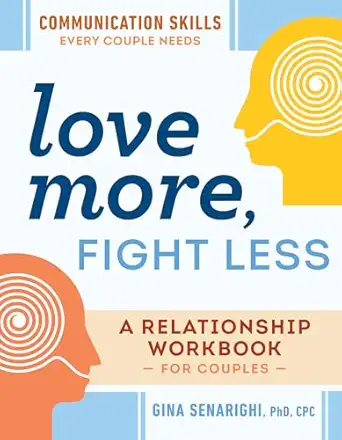 | Best for Conflict Resolution | Format: Relationship workbook with exercises | Focus areas: Communication skills, conflict resolution, mutual understanding | Content type: Practical strategies plus written exercises | VIEW LATEST PRICE | See Our Full Breakdown |
| Tell Me More: A Guided Couples Journal for Spouses and Partners to Deepen Communication, Connection, and Love | 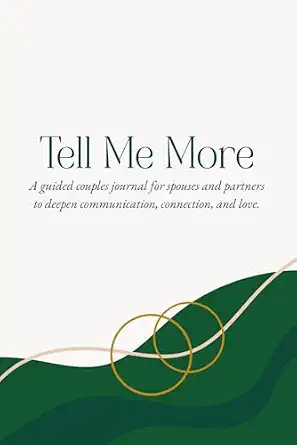 | Best for Emotional Depth | Format: Guided couples journal | Prompt style: Reflective questions for both partners | Focus areas: Communication, connection, love | VIEW LATEST PRICE | See Our Full Breakdown |
| BestSelf Relationship Journals – 13-Week Guided Workbook, Him & Her Set | 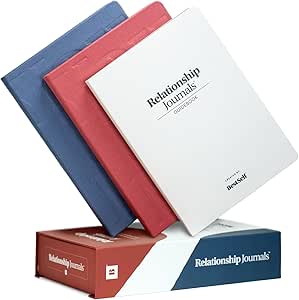 | Best Structured Program | Format: Guided workbook (2-journal set) | Duration: 13 weeks | Set Includes: Him & Her journals | VIEW LATEST PRICE | See Our Full Breakdown |
| Wife and Husband Back and Forth Journal: A Marriage Diary with Questions for Couples to Fill Out Together |  | Best for Daily Shared Ritual | Format: Shared back-and-forth diary | Usage Rhythm: Daily guided questions | Interaction Style: Partners alternate answering and responding | VIEW LATEST PRICE | See Our Full Breakdown |
| The Relationship Check-In Journal: Couples Journaling for Meaningful Conversations and Routine Talks |  | Best for Routine Check-Ins | Format: Check-in style couples journal | Usage Rhythm: Recurring check-ins and routine talks | Prompt Style: Conversation starters for regular dialogue | VIEW LATEST PRICE | See Our Full Breakdown |
| For His Eyes Only: A Couple’s Guided Journal for Love, Communication, and Emotional Intimacy |  | Best for Emotional Depth | Format: Guided journal, one-partner-to-the-other style | Prompt Style: Thoughtful guided prompts and exercises | Focus Areas: Love, communication, emotional intimacy | VIEW LATEST PRICE | See Our Full Breakdown |
| couples communication journal | Format | Focus Areas | Duration |
|---|---|---|---|
| The Ultimate Questions For Cou | Guided question journal | Communication, trust, intimacy | 52 weeks |
| Couples Communication Workbook | Exercise workbook | Listening, conflict resolution, relationship strength | — |
| The Marriage Journal | Shared 52-week couples journal | Intimacy, communication, spiritual growth | 52 weeks |
| Back and Forth Journal for Hus | Back-and-forth exchange journal | Connection, shared reflection | Open-ended |
| Communication Skills for Coupl | Advice / strategy guide | Communication skills, conflict resolution, intimacy, marriage health | Self-paced reading |
| One Question a Day for You & M | Daily guided journal | — | 3 years |
| A Guided Journal for Couples: | Guided activity journal | — | — |
| A Couple’s Love Journal: 52 We | Weekly guided journal | Communication, emotional intimacy, reigniting connection | 52 weeks (one year) |
| Love More | Relationship workbook with exercises | Communication skills, conflict resolution, mutual understanding | — |
| Tell Me More: A Guided Couples | Guided couples journal | Communication, connection, love | — |
| BestSelf Relationship Journals | Guided workbook (2-journal set) | Communication, understanding, intimacy, memory-keeping | 13 weeks |
| Wife and Husband Back and Fort | Shared back-and-forth diary | Daily reflection, communication, love, mutual understanding | — |
| The Relationship Check-In Jour | Check-in style couples journal | Routine communication, relationship maintenance, meaningful conversation | — |
| For His Eyes Only: A Couple’s | Guided journal, one-partner-to-the-other style | Love, communication, emotional intimacy | — |
More Details on Our Top Picks
The Ultimate Questions For Couples Journal: 52 Weeks To Improve Communication, Rebuild Trust, And Increase Intimacy
This journal’s 52-week question format makes it the strongest pick for couples who want a slow-burn practice rather than a short program. Compared with the Couples Communication Workbook, which compresses everything into 12 days, this option spreads engagement across a full year, which lowers the pressure on any single evening and builds a sustainable journaling rhythm. The weekly cadence also gives partners time between prompts to actually apply what they discussed.
The tradeoff is stark, though: beyond the questions themselves, there’s little guidance or instructional content, so couples in genuine conflict may feel undersupported. It works best as a maintenance tool for a basically healthy relationship, not a repair manual.
Pros:- 52 weekly prompts create a sustainable year-long habit
- Questions target trust rebuilding and intimacy, not just icebreakers
- Low time commitment per week compared to daily workbooks
- Flexible pacing — no rigid daily schedule to fall behind on
Cons:- No instructional content or facilitation guidance beyond the questions
- Results depend heavily on both partners staying committed for months
Best for: Stable couples who want a low-pressure weekly ritual to deepen intimacy over a full year
Not ideal for: Couples in active conflict who need exercises, frameworks, and conflict-resolution guidance, not just questions
- Format:Guided question journal
- Duration:52 weeks
- Structure:One question per week
- Focus Areas:Communication, trust, intimacy
- Guidance Level:Questions only, minimal instruction
- Time Commitment:Low — weekly
Our verdict“Choose this if you want a gentle, year-long conversation habit; skip it if you need structured conflict-resolution tools.”
Couples Communication Workbook: 20 Minutes a Day for 12 Days
This workbook wins on defined scope: 12 days, 20 minutes a day, done. That framing solves the biggest failure mode of open-ended journals like The Ultimate Questions For Couples Journal, where momentum fades by week three. Here, the finite program with daily exercises creates urgency and a clear finish line, which suits couples who struggle to stick with habits.
The focus on listening skills and conflict resolution also makes it more skills-based than prompt-based alternatives like One Question a Day for You & Me. The flip side: once the 12 days end, there’s no built-in continuation, and the compressed timeline means some topics get shallow treatment. Think of it as a boot camp, not a lifestyle.
Pros:- Time-efficient 20-minute daily exercises fit busy schedules
- Skills-based focus on listening and conflict resolution, not just prompts
- Finite 12-day structure prevents motivation drift
- Practical activities rather than abstract advice
Cons:- Program ends after 12 days with no long-term continuation
- Compressed timeline limits depth on complex issues
Best for: Busy couples who want a time-boxed, exercise-driven program with a clear end date
Not ideal for: Couples wanting an ongoing keepsake journal to revisit for years — this ends after 12 days
- Format:Exercise workbook
- Program Length:12 days
- Daily Time Required:20 minutes
- Focus Areas:Listening, conflict resolution, relationship strength
- Structure:Daily guided exercises
- Guidance Level:High — facilitator-style instructions
Our verdict“Pick this if you and your partner do better with deadlines than open-ended journaling.”
The Marriage Journal – 52-Week Couples Journal
This is the most feature-rich journal in the lineup: weekly prompts, devotional content, a shared calendar, and dedicated space for back-and-forth journaling between both partners. Compared with the Back and Forth Journal for Husband and Wife, which offers a similar exchange format but playfully and loosely, this one wraps the same interaction in spiritual grounding and practical logistics — that shared calendar alone can defuse the scheduling arguments most couples don’t realize they’re having.
The tradeoff is equally clear. The devotional framing limits its audience; secular couples will find a chunk of the content irrelevant. It also demands real commitment from both spouses, since the back-and-forth format collapses if one partner goes quiet.
Pros:- Combines devotional content, shared calendar, and dual reflection space
- Back-and-forth format keeps both partners actively involved
- Shared calendar reduces day-to-day logistical friction
- Attractive gift option for anniversaries and weddings
Cons:- Faith-based content narrows the audience considerably
- Requires consistent participation from both spouses to work
Best for: Married Christian couples who want faith, scheduling, and reflection integrated in one shared journal
Not ideal for: Secular or interfaith couples — the devotional content is central, not optional
- Format:Shared 52-week couples journal
- Duration:52 weeks
- Features:Weekly prompts, devotional content, shared calendar, back-and-forth journaling
- Focus Areas:Intimacy, communication, spiritual growth
- Perspective:Faith-based / devotional
- Gift Suitability:High — weddings and anniversaries
Our verdict“The best choice for couples whose faith is part of how they communicate; everyone else should look elsewhere.”
Back and Forth Journal for Husband and Wife
Where most entries in this roundup — like The Marriage Journal — treat communication as work, this one treats it as play. The back-and-forth exchange format turns reflection into a game of written catch, which lowers the barrier for partners who roll their eyes at therapy-flavored workbooks. Compared with the heavier Couples Communication Workbook, this feels closer to passing notes than doing homework, and that’s exactly the point.
The limitation is real, though: minimal structure means minimal guidance. There are no frameworks for conflict resolution or listening skills, so couples with serious recurring arguments will outgrow it quickly. It’s a connection-spark tool, not a repair tool, and it’s priced and designed accordingly.
Pros:- Playful format lowers the intimidation factor for reluctant partners
- Back-and-forth exchange creates genuine two-way dialogue
- Fun angle makes it easy to start without a ‘relationship talk’
- Works as a lighthearted gift
Cons:- Lacks structure, frameworks, or conflict-resolution guidance
- Too lightweight for couples with deep-seated issues
Best for: Couples who find workbooks intimidating and want a fun, low-stakes way to reconnect
Not ideal for: Couples seeking structured therapeutic exercises for conflict — this is light on substance
- Format:Back-and-forth exchange journal
- Duration:Open-ended
- Tone:Playful and lighthearted
- Focus Areas:Connection, shared reflection
- Structure:Prompt-based exchange
- Guidance Level:Low — minimal instruction
Our verdict“A great icebreaker journal for playful couples; serious conflict work requires something more structured.”
Communication Skills for Couples
Unlike every journal in this lineup, this is a strategy guide, not a prompt book — closer in spirit to Love More, Fight Less than to The Ultimate Questions For Couples Journal. That distinction matters: it teaches transferable communication techniques you can use in any argument, rather than relying on a written ritual to surface conversation. For couples who want to understand why their arguments derail, that educational angle beats fill-in-the-blank prompts.
The tradeoff is the absence of a practice mechanism. Journals force action; books can be read and forgotten, and without exercises or accountability, insight rarely becomes habit. Couples who struggle with follow-through may get more from the workbook-style picks above.
Pros:- Teaches transferable communication strategies usable outside the book
- Addresses conflict resolution and intimacy with actionable advice
- No daily writing commitment required
- Concepts apply broadly across any relationship conflict
Cons:- No journaling structure to force practice or reflection
- Insight without exercises can fade quickly for low-accountability couples
Best for: Analytical couples who want to understand communication mechanics, not just answer prompts
Not ideal for: Couples who need the built-in accountability of a guided journal to actually practice
- Format:Advice / strategy guide
- Duration:Self-paced reading
- Focus Areas:Communication skills, conflict resolution, intimacy, marriage health
- Structure:Practical strategies and actionable advice
- Writing Required:None
- Guidance Level:Educational — technique-focused
Our verdict“Pick this if you want to learn how communication works; pick a journal if you need help actually doing it.”
One Question a Day for You & Me: A Three-Year Journal
Most journals in this category burn out after a few months, but this one is built for the long haul. One prompt per day across three full years turns journaling into a low-effort habit rather than a homework assignment, and revisiting the same questions year over year lets couples see how their answers evolve. Compared with the A Couple’s Love Journal, which demands weekly exercises and reflection, the daily commitment here is tiny — a single line, takes under two minutes. The tradeoff is depth: partners who want structured activities, conflict-resolution tools, or exercises like those in Love More, Fight Less will find this too lightweight. Still, for sustained connection without burnout, nothing else in this lineup lasts as long.
Pros:- Minimal daily time commitment makes it genuinely sustainable
- Three-year span shows how answers and the relationship change over time
- Simple format works for partners who resist heavy journaling
- Low-pressure entry point for couples new to guided journals
Cons:- Single-question format limits depth on serious relationship issues
- No activities, exercises, or communication-skill building included
Best for: Busy couples who want a tiny daily ritual they can actually sustain for years, not weeks
Not ideal for: Couples in crisis or seeking structured conflict-resolution work — there are no exercises, just simple prompts
- Format:Daily guided journal
- Duration:3 years
- Prompt structure:One question per day
- Time per entry:Under 5 minutes
- Publisher:St. Martin’s Griffin
- Best used:Shared single journal for both partners
Our verdict“Buy this if you want the easiest possible long-term habit; skip it if you need therapeutic structure or conflict tools.”
A Guided Journal for Couples: Playful Prompts and Fun Activities to Improve Communication and Strengthen Relationships
Where most entries here lean reflective or therapeutic, this journal leans playful — its prompts and activities are designed to make couples laugh together, not work through problems. That makes it a strong counterpoint to heavier picks like Love More, Fight Less, which centers on conflict resolution, or Tell Me More, which skews toward emotional depth. The fun-first approach lowers the barrier for a reluctant partner who would never agree to a workbook but will happily doodle an answer or play a couples’ game on a weeknight. The real drawback is visibility: limited detail on content and almost no reviews mean buyers are rolling the dice compared with established titles. It also won’t help couples working through serious tension. As a date-night companion, though, it fills a gap the rest of this lineup leaves open.
Pros:- Fun, game-like format appeals to partners who resist traditional journaling
- Activities create shared experiences, not just written answers
- Low emotional intensity makes it approachable for new couples
- Works well as a casual date-night or travel activity
Cons:- Very limited product information and few or no customer reviews to judge quality
- Playful focus means little substance for deeper communication problems
Best for: Dating or newly committed couples who want a fun, low-pressure activity book rather than serious relationship work
Not ideal for: Couples dealing with recurring conflict or trust issues — the playful tone won’t address them
- Format:Guided activity journal
- Content style:Playful prompts and couples’ activities
- Tone:Lighthearted and fun-first
- Skill focus:Communication through play and connection
- Intended audience:Couples at any stage, especially newer relationships
- Best used:Date nights, travel, and casual quality time
Our verdict“A good pick for couples who prioritize fun over therapy — just go in knowing it’s light on depth and short on reviews.”
A Couple’s Love Journal: 52 Weeks to Reignite Your Relationship, Deepen Communication, and Strengthen Your Bond
This journal’s 52-week framework hits a middle ground the extremes in this roundup miss. Unlike One Question a Day, which offers tiny daily snippets, it gives each week enough weight to feel meaningful; unlike Love More, Fight Less, it frames the work around connection and intimacy rather than fixing problems. The weekly cadence also means one sitting per week — far more realistic for couples with chaotic schedules than daily entries. The prompts push toward emotional intimacy, and the structure prevents the drift that kills most couples’ journals after month two. The honest tradeoff: it requires a real commitment, and the reignite-the-spark framing assumes couples who want to grow closer, not ones navigating active conflict. Compared with the BestSelf Relationship Journals set, it’s also a single shared book rather than a his-and-hers pair, which some couples prefer and others don’t.
Pros:- Weekly cadence is sustainable where daily journals often get abandoned
- Full-year arc builds genuine momentum and habit
- Prompts target emotional intimacy, not just surface conversation
- Structured enough to guide couples who don’t know where to start
Cons:- Requires sustained weekly commitment from both partners
- Reconnection framing doesn’t address serious conflict or trust repair
Best for: Established couples who want a meaningful weekly ritual to rebuild closeness and emotional intimacy over a full year
Not ideal for: Couples wanting quick fixes or those who can’t commit to a weekly sit-down — the structure falls apart with inconsistent use
- Format:Weekly guided journal
- Duration:52 weeks (one year)
- Structure:One guided exercise or prompt set per week
- Focus areas:Communication, emotional intimacy, reigniting connection
- Publisher:Zephyros Press
- Best used:Shared weekly journaling session
Our verdict“The strongest choice for couples ready to invest one focused session a week in rebuilding intimacy over a year.”
Love More, Fight Less: Communication Skills Every Couple Needs
This is the most skills-oriented title in the entire lineup. While journals like Tell Me More or One Question a Day prompt conversation, this book teaches concrete communication techniques — how to argue fairly, listen actively, and de-escalate before small fights become big ones. For couples whose main problem isn’t a lack of connection but a pattern of destructive conflict, it’s the more appropriate tool by far. The exercises are practical rather than fluffy, drawn from established relationship-therapy principles. The catch is that both partners have to actually do the work — this is a workbook, not a passive journal, and one enthusiastic partner dragging a reluctant one usually fails. It’s also less romantic in tone; couples looking for cozy prompts and love notes should pick the A Couple’s Love Journal instead. But for breaking a fight cycle, this is the pick.
Pros:- Teaches concrete, teachable communication skills rather than vague prompts
- Directly targets conflict resolution and healthier arguments
- Practical exercises grounded in established relationship-science approaches
- More substantive than prompt-only journals for serious relationship work
Cons:- Workbook format demands active effort and buy-in from both partners
- Clinical tone offers little of the romance or fun other journals provide
Best for: Couples stuck in repeating conflict patterns who want practical, therapy-grounded communication skills, not romantic prompts
Not ideal for: Couples where only one partner is willing to do workbook exercises — it demands full participation from both sides
- Format:Relationship workbook with exercises
- Focus areas:Communication skills, conflict resolution, mutual understanding
- Content type:Practical strategies plus written exercises
- Approach:Skills-based, drawing on relationship therapy principles
- Intended audience:Couples experiencing recurring conflict
- Participation required:Both partners, actively
Our verdict“The right choice if fighting is the problem — just make sure both partners are on board before buying.”
Tell Me More: A Guided Couples Journal for Spouses and Partners to Deepen Communication, Connection, and Love
Tell Me More sits at the reflective end of this spectrum — it’s built to surface conversations couples don’t normally have, with guided prompts that go deeper than icebreakers. Compared with the playful A Guided Journal for Couples, the tone here is warmer and more intimate; compared with Love More, Fight Less, there’s no homework or skill-building, just questions that invite honesty. The ease of use stands out: prompts are clear enough that neither partner has to figure out what to do, which matters for couples who’ve never journaled together. The tradeoff is longevity — the content runs out faster than the three-year span of One Question a Day or the 52-week arc of A Couple’s Love Journal, and couples wanting games or interactive activities will find it one-note. For spouses wanting slow, meaningful conversation, it earns its slot.
Pros:- Prompts are genuinely deep without being intimidating
- Very easy to start using — no learning curve or exercises to schedule
- Warm, intimate tone suits committed and married couples
- Strong at surfacing conversations that don’t happen naturally
Cons:- Limited content means shorter usable lifespan than year-plus journals
- Conversation-only format lacks interactive activities some couples want
Best for: Spouses and long-term partners who want deep, honest conversations through simple guided prompts — no games, no homework
Not ideal for: Couples who want interactive activities or a long-term daily/weekly structure — this finishes faster and stays conversation-only
- Format:Guided couples journal
- Prompt style:Reflective questions for both partners
- Focus areas:Communication, connection, love
- Tone:Warm, intimate, emotionally deep
- Intended audience:Spouses and committed partners
- Best used:Shared reflective conversations at a self-set pace
Our verdict“A great fit for couples who want meaningful talks over games or workbooks, provided they’re fine with a shorter run of prompts.”
BestSelf Relationship Journals – 13-Week Guided Workbook, Him & Her Set
BestSelf stands out for turning couples journaling into a genuine 13-week program rather than an open-ended notebook. The Him & Her two-journal format gives each partner a private space to reflect before sharing, which creates a different dynamic than single-book options like The Marriage Journal – 52-Week Couples Journal, where entries sit side by side. The guided questions build week over week, so couples who struggle with blank pages get real scaffolding. The tradeoff is rigidity: this is a workbook with a defined arc, so spontaneous writers may find it confining. And once the 13 weeks end, you are on your own — unlike the One Question a Day for You & Me three-year journal, which stretches on indefinitely. Compared with looser prompt books in this roundup, this pick makes the most sense for couples who want a curriculum, not a habit.
Pros:- Two-journal set gives each partner private reflection space before sharing
- Progressive 13-week structure builds skills rather than repeating random prompts
- Thought-provoking questions target communication, understanding, and intimacy
- Attractive gift-ready format for weddings and anniversaries
- Clear finish line gives couples a sense of completion and accomplishment
Cons:- Rigid weekly structure feels confining for couples who prefer spontaneous journaling
- Ends after 13 weeks, so ongoing practice requires buying additional materials
Best for: Couples who want a time-boxed, curriculum-style program with clear weekly milestones and separate journals for each partner
Not ideal for: Couples who journal sporadically or want an open-ended daily habit — the fixed 13-week structure punishes inconsistency and ends after three months
- Format:Guided workbook (2-journal set)
- Duration:13 weeks
- Set Includes:Him & Her journals
- Prompt Style:Weekly guided questions and exercises
- Focus Areas:Communication, understanding, intimacy, memory-keeping
- Gift Suitability:Weddings, anniversaries, special occasions
Our verdict“This is the pick for couples who want a defined, finishable program with homework-style accountability rather than an endless daily prompt book.”
Wife and Husband Back and Forth Journal: A Marriage Diary with Questions for Couples to Fill Out Together
Where BestSelf gives you a program, this journal gives you a ritual. The back-and-forth format — one partner answers, hands it over, the other responds — turns a single notebook into an ongoing written conversation between spouses. Compared with the Back and Forth Journal for Husband and Wife elsewhere in this roundup, this version leans more heavily on daily guided questions, which keeps momentum going but demands real consistency. The written-dialogue approach works especially well for couples who freeze up in face-to-face hard conversations; the page becomes the middle ground. That said, the daily commitment is the whole engine — miss a week and the dialogue stalls, and unlike Tell Me More, there is no flexible pacing to fall back on. It also assumes both partners enjoy writing, which is not a given in every marriage.
Pros:- Back-and-forth format creates an ongoing written conversation between spouses
- Daily guided questions remove the blank-page problem
- Writing first, talking second lowers the temperature on difficult topics
- Strengthens daily connection in just a few minutes per day
Cons:- Requires consistent daily commitment from both partners to work
- Presumes both spouses are comfortable expressing themselves in writing
Best for: Married couples who want a low-pressure written dialogue and can commit to a short daily exchange
Not ideal for: Couples where one partner dislikes writing or has an unpredictable schedule — the format collapses without regular participation from both sides
- Format:Shared back-and-forth diary
- Usage Rhythm:Daily guided questions
- Interaction Style:Partners alternate answering and responding
- Focus Areas:Daily reflection, communication, love, mutual understanding
- Audience:Married couples
Our verdict“This is for couples who want journaling to feel like a shared daily conversation rather than a solo exercise with a shared theme.”
The Relationship Check-In Journal: Couples Journaling for Meaningful Conversations and Routine Talks
Most journals in this category chase deep conversations; this one targets the unglamorous weekly check-in that keeps relationships running. Instead of ambitious emotional exercises, it offers conversation starters built for routine talks — schedules, stress levels, small gripes before they become big ones. That focus differentiates it from prompt-heavy options like The Ultimate Questions For Couples Journal, which is oriented around weekly themes of trust and intimacy. For busy couples, this practical, maintenance-style approach is arguably more sustainable than grand reflection. The honest drawback: this is a newer, thinly documented product with little review history and no detailed specifications, so you are buying on concept rather than track record. If you want proven depth, Love More, Fight Less offers more established communication-skill building — but if you want a simple recurring ritual, this format is harder to find elsewhere in the lineup.
Pros:- Focuses on sustainable routine check-ins rather than intensive emotional work
- Conversation starters surface small issues before they escalate
- Low time commitment fits busy schedules
- Builds a repeatable relationship habit that lasts beyond the journal itself
Cons:- Minimal product documentation and few or no customer reviews to verify quality
- Lighter emotional depth than deep-dive couples journals in this roundup
Best for: Busy couples who want a recurring, practical check-in ritual focused on everyday logistics and small issues rather than deep emotional excavation
Not ideal for: Buyers who want a proven, well-reviewed product — the limited documentation and lack of ratings make this a bit of a leap of faith
- Format:Check-in style couples journal
- Usage Rhythm:Recurring check-ins and routine talks
- Prompt Style:Conversation starters for regular dialogue
- Focus Areas:Routine communication, relationship maintenance, meaningful conversation
- Documentation:Limited specs and review history available
Our verdict“Worth it for pragmatic couples who want a weekly maintenance ritual, but skeptics may prefer a better-established journal with a review history.”
For His Eyes Only: A Couple’s Guided Journal for Love, Communication, and Emotional Intimacy
The name sets this journal apart: it is built around one partner writing and the other reading, a one-directional intimacy exercise rather than the mutual exchange of the Wife and Husband Back and Forth Journal. That structure makes vulnerability feel safer — you write without immediate face-to-face reaction — and the prompts lean into emotional intimacy and love expression rather than conflict resolution. Compared with A Couple’s Love Journal: 52 Weeks to Reignite Your Relationship, which spreads its focus across communication and bonding generally, this option goes narrower and deeper on the emotional register. The tradeoffs are transparency problems: format, size, and contents are sparsely documented, so you cannot preview the prompt style before buying, and it still demands sustained commitment from the writing partner. Buyers who want clarity upfront will prefer BestSelf’s clearly specified 13-week structure.
Pros:- One-way writing format makes emotional vulnerability feel safer
- Prompts specifically target love expression and emotional intimacy
- Works well for partners who freeze during verbal heart-to-hearts
- Guided structure reduces intimidation for first-time journalers
Cons:- Very limited product information on format, size, and number of prompts
- Requires real commitment from the writing partner to sustain the exercise
- Narrow emotional focus offers less on conflict resolution or practical communication
Best for: Couples where one partner struggles to voice feelings out loud and would rather express vulnerability in writing for the other to read
Not ideal for: Buyers who want to know exactly what they are getting — sparse product details on format, length, and prompt style make this a blind purchase
- Format:Guided journal, one-partner-to-the-other style
- Prompt Style:Thoughtful guided prompts and exercises
- Focus Areas:Love, communication, emotional intimacy
- Interaction Style:Written by one partner, read by the other
- Documentation:Limited details on size, length, and contents
Our verdict“A niche but compelling pick for couples where written vulnerability comes easier than spoken words, provided you accept the guesswork of an under-documented product.”

How We Picked
I evaluated each journal against five criteria: prompt quality (do questions genuinely open conversation, or do they invite one-word answers), time commitment realism (whether a busy couple could actually sustain the pace), structure and progression (whether the journal builds skills or just repeats similar prompts), format fit (shared book, pass-along journal, or two-journal set), and value (cost per week of guided content). I also weighed whether each product included any actual communication framework — listening exercises, conflict scripts, or check-in routines — versus being purely question-based.
The ranking favors journals that match their format to a realistic buyer. A 12-day intensive ranks high for couples in crisis but would rank lower for someone seeking a keepsake, so placement reflects fit within a specific use case rather than raw quality alone. Journals with vague prompts, no progression, or formats that quietly discourage consistent use ranked lower regardless of popularity.
Factors to Consider When Choosing Couples Communication Journals
Before picking a specific journal, it helps to understand what actually separates a journal a couple finishes from one that gathers dust by February. These are the factors that mattered most across all 14 products.Match the Format to Your Communication Style
Couples communication journals come in three formats, and choosing wrong is the most common reason they fail. Shared journals work when both partners write together and talk as they go — best for couples who already talk openly and want structure. Pass-along journals, where one partner writes and hands the book over, suit couples where direct conversation feels pressured or where schedules rarely align; the tradeoff is that written exchanges replace rather than build face-to-face skills. Two-journal sets add private reflection space, which helps partners who need time to process before sharing. Be honest about which dynamic describes your relationship — buying a shared journal for a couple that avoids eye contact during hard topics usually produces two blank pages and a small argument.
Be Realistic About Time Commitment
The difference between a 2-minute daily prompt and a 20-minute daily exercise is the difference between a finished journal and an abandoned one. Higher commitment does not mean better results — it means faster results for couples who follow through. A common mistake is buying an intensive workbook during a motivated moment (often after a big fight) and quitting by week two when motivation fades. If either partner has ever abandoned a journal, habit tracker, or book club, start with a low-commitment daily question format and graduate to a structured program once the routine sticks. Daily formats also build momentum better than weekly ones early on, even if weekly journals ultimately go deeper.
Prompts vs. Skills: Know What You’re Buying
Question-based journals and skill-based workbooks solve different problems, and marketing copy often blurs this. A prompt journal asks interesting questions and creates connection through disclosure — great for couples who get along but feel bored or surface-level. A communication workbook teaches active listening, conflict de-escalation, and validation techniques — the right tool when arguments follow the same destructive loop. Some couples genuinely need both, but starting with a workbook when you only need prompts feels like homework, and starting with prompts when you need skills delays real progress. Look for whether the product names specific techniques; vague promises like “improve communication” with no method usually signal a prompt book dressed up as a workbook.
Program Length and What Happens After
Short programs (12 days to 13 weeks) create visible momentum and a clear finish line, which is motivating — but they end, and many couples revert to old patterns within a month. Year-long journals cost more upfront but build a genuine habit and double as a record of your relationship over time. The underrated middle option is a weekly check-in format, which is sustainable indefinitely and can be repeated. When comparing prices, calculate cost per guided week rather than sticker price; a $30 52-week journal is cheaper per use than a $15 12-day workbook. Also check whether the journal includes any guidance for continuing after the program ends — most don’t, which is worth knowing before you buy.
Durability and Keepsake Value
If you plan to keep the journal as a record of your relationship — and many couples do — build quality matters more than it first appears. Lay-flat bindings make a real difference for shared journals since both partners write in the same book, and cheap glue bindings crack within months of daily use. Paper weight affects whether ink bleeds through, which ruins the writing on the reverse page. Hardcover journals survive being passed back and forth or tossed in a bag; paperback workbooks intended for a single 12-day sprint matter less. Consider whether this is a disposable exercise book or something you’ll reread in ten years, and pay accordingly.
Religion, Tone, and Content Framing
Several journals in this category carry faith-based framing or assume a husband-wife marriage, which is either a feature or a mismatch depending on the couple. Check the language before buying — a journal heavy on scripture will frustrate a secular couple, and a “husband and wife” branded book may feel excluding for unmarried partners. Tone also varies from clinical and therapeutic to playful and lighthearted, and mismatched tone kills participation. If one partner is skeptical about the whole exercise, a playful, low-pressure journal will recruit them faster than anything resembling therapy homework. The most reluctant partner’s preferences should carry the most weight here, not the least.
Frequently Asked Questions
Do couples communication journals actually work, or are they just a gimmick?
The mechanism is legitimate: structured prompts create disclosure and disclosure builds intimacy, which is why therapists use similar exercises in sessions. What determines success is less the journal and more whether both partners participate consistently — a journal one partner fills out alone changes nothing. Skill-based workbooks have stronger evidence behind them because they teach repeatable techniques like active listening, whereas pure prompt journals create connection but don’t build conflict skills. Set expectations accordingly: a journal is a tool for better conversations, not a substitute for couples therapy if serious conflict, resentment, or trust issues exist. For mild disconnection or routine staleness, a good journal genuinely moves the needle.
What if my partner isn’t interested in doing a journal with me?
This is the most common failure point, so choose the format around the reluctant partner rather than the enthusiastic one. Pass-along journals are the lowest-pressure entry point — writing an answer and leaving the book on their nightstand requires no scheduled sit-down. Start with playful or lighthearted journals rather than heavy emotional workbooks, since a skeptical partner will engage with “what’s a meal you’d eat every day forever” long before “what do you fear most about us.” Another approach is the two-journal set, which lets each person write privately first. If your partner refuses entirely, some journals work as a solo exercise that still shifts how you communicate — but be honest that solo use delivers a fraction of the benefit.
Should we start with a short program or a year-long journal?
Short programs (the 12-day workbook or 13-week sets) are better if you’re addressing a specific rough patch and want concentrated effort with a finish line. Year-long journals suit couples who want a sustainable habit and a keepsake of their relationship over time. The risk with short programs is the cliff — momentum stops, and old patterns creep back without a follow-up plan. The risk with year-long journals is early abandonment, since week 30 feels far away in week 2. A reasonable path: run a short program first to prove you’ll both follow through, then commit to a 52-week journal once the habit exists.
Are the more expensive journals worth the extra money?
Partly. Above roughly $25, you’re mostly paying for build quality and format — lay-flat bindings, hardcovers, thicker paper, and two-journal sets — rather than better prompts. The two-journal Him & Her style sets cost more because you’re buying two physical books, and that premium is only worth it if private reflection appeals to both of you. Prompt quality does not reliably scale with price; some of the best question sets sit in the $12–15 range. Where spending more does help is durability for pass-along formats, since a cheap binding fails fast when a book travels between two people daily. Decide first whether you’re buying a tool or a keepsake, and price will follow.
Can a communication journal help with a specific problem like constant fighting?
Only certain types. If your arguments follow a predictable loop — same trigger, same escalation, same shutdown — a skill-based workbook with conflict resolution scripts is the right category, because it teaches de-escalation rather than just prompting conversation. Prompt-only journals can actually backfire during high-conflict periods if a question lands on a raw topic without any framework for handling the answer. Look for journals that include listening exercises and structured check-ins rather than open-ended questions alone. If fights involve contempt, betrayal, or one partner refusing to engage at all, skip journals entirely and find a couples therapist — a book can’t intervene in real time when things go sideways.
Conclusion
For best overall, The Ultimate Questions For Couples Journal delivers the best balance of depth, sustainable pacing, and prompt quality in the lineup. The best value pick is One Question a Day for You & Me, which costs little, demands under two minutes daily, and spans three years — unmatched cost per use. For best premium, the BestSelf Relationship Journals Him & Her set justifies its price with a true two-journal system and a focused 13-week program. Best for beginners goes to A Guided Journal for Couples, whose playful prompts recruit reluctant partners without pressure. For specific needs: choose Love More, Fight Less if conflict is your core problem, the Couples Communication Workbook if you want an intensive two-week reset, the Back and Forth Journal if face-to-face conversation feels too intense right now, and The Relationship Check-In Journal if you want a sustainable weekly ritual rather than a program with an end date. Whatever you pick, the deciding factor is honesty about your time, your conflict level, and your partner’s willingness — choose for the couple you actually are, not the couple you hope to become.
Fall Picks
fall essentials
As an affiliate, we earn on qualifying purchases.