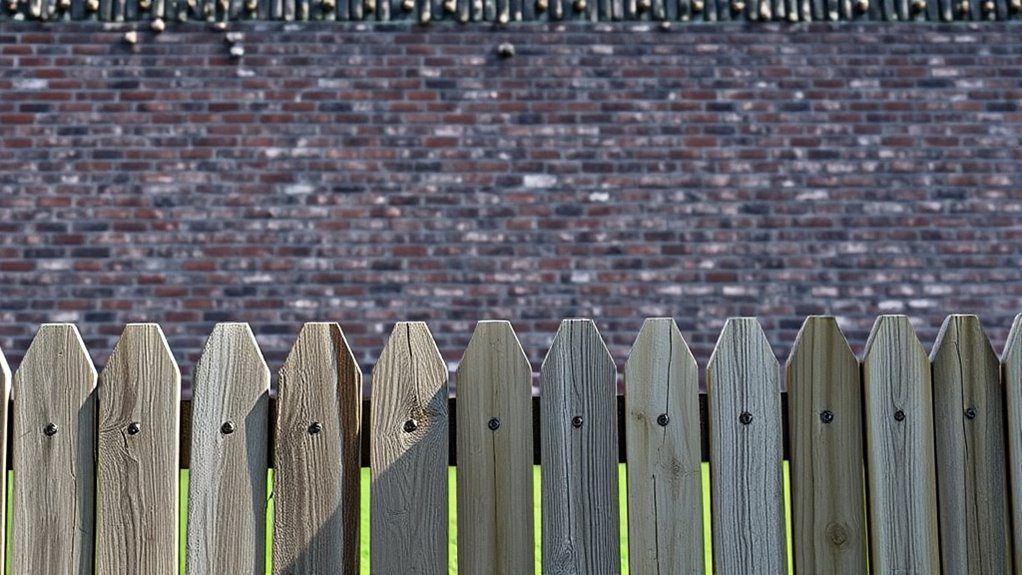

Boundaries define what you find acceptable in relationships, helping you communicate needs while respecting others. Walls, on the other hand, act as emotional barriers to protect yourself from pain but can block genuine connection. Setting healthy boundaries fosters trust and intimacy, whereas walls often lead to emotional distance and loneliness. Understanding this difference can transform your relationships and well-being. Keep going to discover how to create healthy boundaries that promote connection instead of walls that block it.
Key Takeaways
- Boundaries are healthy limits that promote respect and trust, while walls are defensive barriers that hinder connection.
- Boundaries actively support emotional well-being; walls often serve as self-protection but create emotional distance.
- Setting boundaries encourages openness and mutual understanding; walls lead to withdrawal and loneliness.
- Boundaries are established through clear, compassionate communication; walls develop from hurt or fear as a form of protection.
- Cultivating boundaries fosters authentic relationships; walls obstruct vulnerability and genuine intimacy.

While boundaries and walls both create separation, they serve very different purposes in relationships and personal well-being. Boundaries are healthy tools that help you define what’s acceptable and what’s not, fostering respect and understanding. Walls, on the other hand, are often defensive barriers built to protect you from pain, but they can hinder connection and emotional safety. When you set boundaries, you’re actively choosing how you want to interact, ensuring your needs are met without sacrificing your integrity. Walls tend to shut others out, making it difficult to build trust or share your authentic self. Recognizing the importance of emotional regulation can help you distinguish between healthy boundaries and protective walls. In healthy relationships, boundaries act as a foundation for mutual respect. They let you communicate your limits clearly and kindly, which helps prevent resentment and confusion. For example, saying no to a request that drains your energy is a boundary that preserves your emotional safety. It signals to others that you value your well-being and expect the same in return. Boundaries aren’t about controlling others but about protecting your emotional health so you can engage more openly and honestly. This transparency encourages stronger connections because it creates a space where both parties feel safe and respected. Walls, however, tend to develop when you’re hurt or afraid, leading you to withdraw emotionally as a means of self-protection. While they might seem to shield you from pain or disappointment, walls often result in loneliness and distance. They prevent genuine intimacy because they block vulnerability—the very thing that deepens relationships. When you rely on walls, you may feel emotionally safe in the short term, but over time, you may find yourself isolated, unable to share your true feelings or connect deeply with others. This can hinder your overall well-being and prevent you from experiencing the support and understanding you need. Knowing the difference between boundaries and walls is essential for your personal growth. Boundaries empower you to maintain your integrity while fostering healthy relationships based on trust and respect. Walls, conversely, can trap you behind emotional barriers that prevent meaningful connection. If you want to cultivate emotional safety, focus on setting clear, compassionate boundaries instead of building walls. This approach encourages openness and vulnerability, which are essential for genuine intimacy and your overall mental health. Remember, boundaries are about protecting yourself without shutting others out—they’re a fundamental part of maintaining your emotional well-being and nurturing authentic relationships.
Frequently Asked Questions
How Can I Tell if I’M Setting Healthy Boundaries or Building Walls?
You might wonder if you’re setting healthy boundaries or building walls. If you’re fostering trust vs. walls, you’re creating safe spaces that encourage openness vs. defensiveness. Pay attention to how you feel—if you’re maintaining respectful limits without shutting others out, you’re on the right path. Healthy boundaries promote connection, while walls often lead to isolation. Reflect on your intentions and responses to make sure you’re nurturing relationships rather than closing them off.
What Are the Emotional Signs That Boundaries Are Being Crossed?
Did you know that nearly 60% of people feel emotionally drained when their boundaries are crossed? When boundary violations happen, you might notice emotional cues like frustration, resentment, or sadness. These feelings serve as signals that your boundaries are being crossed. If you ignore these cues, it can lead to burnout or strained relationships. Pay attention to your emotions—they’re your inner alarm system, warning you to reinforce your boundaries.
How Do Boundaries Differ in Personal Versus Professional Relationships?
In personal relationships, boundaries promote emotional intimacy and trust development, allowing you to share openly while respecting limits. In professional settings, boundaries maintain professionalism, prevent burnout, and ensure clear communication. You should modify boundaries based on context, being more open in personal ties and more structured at work. Recognizing these differences helps you build healthier connections, ensuring trust flourishes in both areas without overstepping or feeling restricted.
Can Boundaries and Walls Coexist in the Same Relationship?
You might think boundaries and walls can’t coexist, but they can, even in the face of trust issues or emotional distance. Boundaries protect your well-being, while walls are like fortress walls, blocking out vulnerability. Sometimes, you need both to navigate complex relationships—setting boundaries for respect, yet keeping walls up to prevent emotional harm. Just remember, healthy boundaries foster connection, walls can deepen emotional distance if misused.
What Are Practical Steps to Start Establishing Effective Boundaries?
To start establishing effective boundaries, focus on self-care routines that prioritize your well-being. Clearly identify what’s acceptable and what isn’t, then communicate assertiveness techniques to express your needs confidently. Practice saying no without guilt and set consistent limits. Remember, boundaries protect your energy and respect your values, so stay firm and compassionate. Over time, these steps help create healthier relationships and foster mutual understanding.
Conclusion
Understanding the difference between boundaries and walls is key to healthy relationships. Boundaries protect your well-being and foster respect, while walls shut others out, often causing distance. Did you know that 60% of people report feeling more emotionally secure when setting clear boundaries? By recognizing this, you can build stronger connections without building walls. Remember, boundaries invite understanding, but walls can create barriers. Choose wisely to nurture genuine, safe relationships.