

Self-love means respecting yourself, setting healthy boundaries, and valuing your worth from within, without needing external validation. Narcissism, however, involves an inflated sense of self-importance and constantly seeking praise, often ignoring others’ feelings and boundaries. While self-love fosters genuine empathy and balanced relationships, narcissism can harm connections and lead to manipulation. Understanding these differences helps you build healthier self-esteem and relationships—if you look closer, you’ll find even more ways to distinguish the two.
Key Takeaways
- Self-love promotes self-acceptance, healthy boundaries, and empathy, while narcissism seeks external validation and inflates self-importance.
- Boundaries in self-love protect personal well-being; narcissists often disregard boundaries to manipulate or feed their ego.
- Genuine self-love fosters empathy and authentic connections; narcissism lacks true empathy, focusing on self-centeredness.
- Self-love is rooted in internal validation and self-awareness; narcissism depends heavily on superficial praise and external approval.
- Healthy self-love enhances respectful relationships; narcissism can lead to strained interactions due to self-absorption and boundary dismissiveness.

Self-love and narcissism are often confused, but they represent fundamentally different attitudes toward oneself. When you practice self-love, you recognize your worth and treat yourself with kindness and respect. It’s about nurturing a healthy relationship with yourself, which includes setting boundaries enforcement to protect your well-being. Boundaries enforcement is essential because it helps you define what’s acceptable and what’s not, ensuring you don’t overextend yourself or allow others to take advantage. This process isn’t about building walls or seeking validation from others; rather, it’s about valuing yourself enough to prioritize your needs without guilt or apology.
Developing empathy is a key aspect of genuine self-love. When you cultivate empathy, you become more attuned to your own feelings and needs, understanding that taking care of yourself is not selfish but necessary. Empathy also extends outward, enabling you to connect with others authentically. You’re able to listen and respond with compassion, which reinforces your sense of self-worth without diminishing others. This compassionate approach contrasts sharply with narcissism, where the focus is often on self-importance and admiration at the expense of others’ feelings.
Cultivating empathy deepens self-awareness and builds authentic connections with others.
Narcissism, on the other hand, revolves around an inflated sense of self-importance, where your primary concern is how others perceive you. It often involves a compulsive need for admiration and a lack of genuine empathy. You might manipulate situations or ignore boundaries to feed your ego, seeking constant validation to bolster your self-image. Unlike self-love, which is rooted in self-awareness and acceptance, narcissism relies on external praise and superficial achievements. It can lead to strained relationships because you prioritize your own needs above others’ and dismiss their feelings or boundaries.
Understanding the difference means recognizing that self-love encourages healthy boundaries enforcement, not as a barrier to others but as a way to protect your mental and emotional health. When you set boundaries, you assert your needs clearly and respectfully, which fosters mutual respect rather than resentment. Simultaneously, developing empathy allows you to see beyond yourself and appreciate others’ perspectives, creating a balanced self-view anchored in reality. Narcissism, by contrast, tends to dismiss these boundaries and empathy, focusing instead on maintaining an idealized self-image.
Ultimately, self-love involves a genuine appreciation for yourself that includes respecting boundaries and developing empathy, while narcissism is an unhealthy obsession with self-importance that often disregards others’ feelings. Recognizing these distinctions helps you nurture a healthier self-concept and foster more meaningful, respectful relationships.
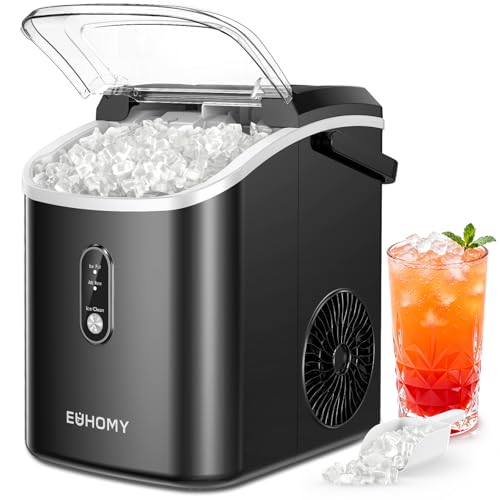
EUHOMY Nugget Ice Maker Countertop with Handle, Ready in 6 Mins, 38lbs/Day, Removable Top Cover, Self-Cleaning, Portable Chewable Ice Maker with Basket, Scoop, for Home/RV/Party/Camping (Black)
6 MINS ICE-MAKING & NUGGET ICE: Satisfy your cravings instantly with the efficient EUHOMY nugget ice maker! Enjoy...
As an affiliate, we earn on qualifying purchases.
Frequently Asked Questions
Can Self-Love Improve Mental Health?
Yes, self-love can improve your mental health by boosting your self-esteem building and emotional resilience. When you practice self-love, you develop a healthier outlook on yourself, making it easier to handle stress and setbacks. This positive mindset helps you recover quicker from challenges, reducing anxiety and depression. By nurturing a strong sense of self-worth, you create a foundation for better mental well-being and a more balanced, fulfilling life.
How Do I Set Healthy Boundaries?
Setting healthy boundaries is like drawing lines in the sand—you define what’s acceptable. To do this, practice assertiveness skills by clearly expressing your needs and limits. Focus on emotional boundaries, ensuring you protect your well-being without overextending yourself. Be honest and respectful, and remember that saying no is okay. By confidently communicating your boundaries, you create a safe space for yourself and foster healthier relationships.
Is Narcissism Always Harmful?
Narcissism isn’t always harmful; it can sometimes stem from low self-esteem and a need for validation. However, excessive narcissism damages emotional resilience and relationships, making it harder for you to connect genuinely. Recognizing when narcissistic traits cross into harmful territory helps you set boundaries and foster healthier self-love. By understanding the difference, you protect your emotional well-being and build stronger, more authentic connections with others.
Can Narcissism Be Cured?
Imagine a cracked mirror reflecting distorted images—narcissism can be healed. While narcissistic traits may persist, therapy approaches like cognitive-behavioral therapy help reshape perceptions and behaviors. With consistent effort and professional guidance, transformation is possible. You can rebuild self-awareness and empathy, turning the shattered pieces into a clearer self-view. It’s a journey, but healing from narcissism isn’t impossible; it’s about choosing to see beyond the broken reflection.
How to Recognize Covert Narcissism?
You can recognize covert narcissism by watching for gaslighting tactics and empathy deficits. They often manipulate subtly, making you doubt your perceptions, while showing little genuine concern for others’ feelings. Unlike overt narcissists, they hide their ego, but their actions reveal a pattern of passive-aggressive behavior and emotional inconsistency. Trust your instincts—if someone consistently undermines your confidence or dismisses your emotions, they might be a covert narcissist.
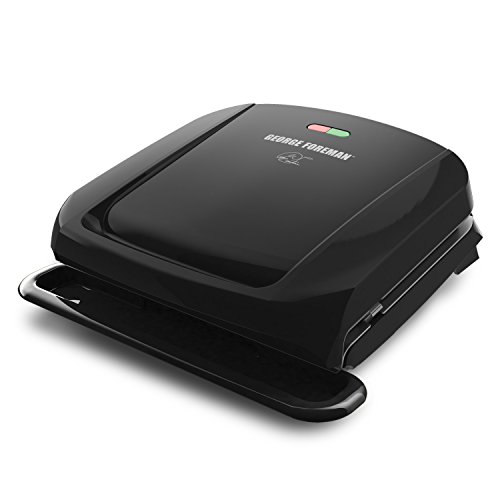
George Foreman 4-Serving Removable Plate Electric Grill and Panini Press, George Tough Non-Stick Coating, Drip Tray Catches Grease, Black
ADVANCED GEORGE TOUGH NONSTICK COATING: There’s a lot to love about this nonstick coating. It’s 3x¹ more durable,...
As an affiliate, we earn on qualifying purchases.
Conclusion
Understanding the difference between self-love and narcissism is key to nurturing healthy self-esteem. Remember, studies show that people who practice genuine self-love tend to have better mental health and more fulfilling relationships. So, instead of seeking validation or admiration, focus on caring for yourself authentically. When you strike this balance, you’ll find greater happiness and connection. Embrace self-love, and watch your confidence grow without crossing into narcissism.

Indoor Grill, CUSIMAX Smokeless Grill Indoor, 1500W Electric Grill Griddle Korean BBQ with LED Smart Display & Tempered Glass Lid, Non-stick Removable Grill Plate & Griddle Plate, Black
[Grill whenever & wherever you want!]--Cusimax electric smokeless grill is ideal for any indoor grilling situation, particularly those...
As an affiliate, we earn on qualifying purchases.

Ninja Sizzle Pro XL 20-Inch Indoor Griddle + Grill, Detachable Ventilated Lid, Grease Control, Ceramic Nonstick Plates, Even Edge Cooking, Extra Large Capacity, Versatile, Silver, GX101
XL FAMILY SIZED CAPACITY: 40% larger capacity* and added flexibility for family-sized cooking. Includes interchangeable 20" griddle and...
As an affiliate, we earn on qualifying purchases.