
TL;DR

Get gifts for the two of you delivered free — and shop member deals
- Fast, free delivery on millions of items
- Access to Prime Big Deal Days deals on October 6–7
- Prime Video, Amazon Music and more included
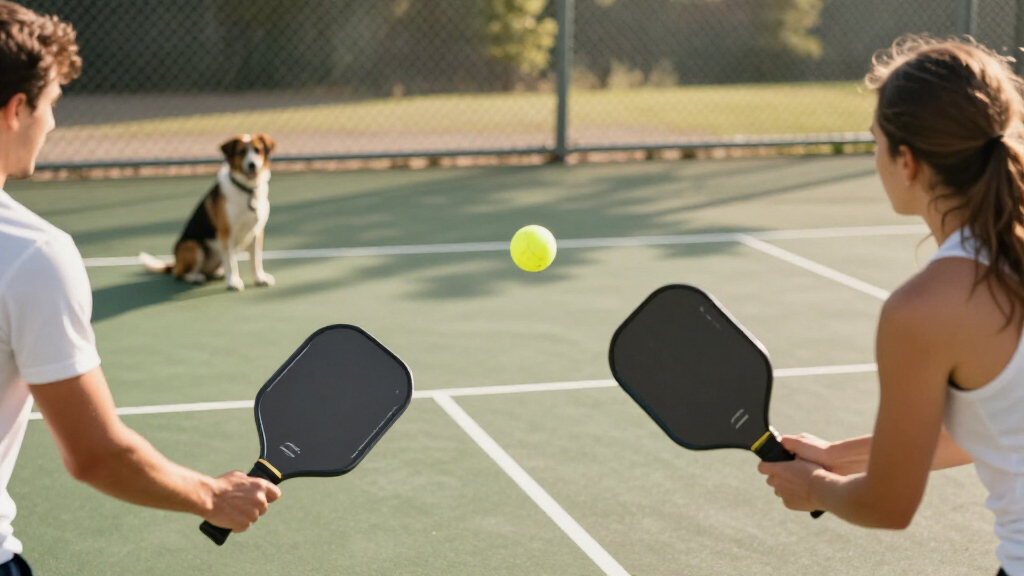
A Bolde article argues that people who prefer dog walks or pickleball to gym memberships may share traits such as playfulness, practical time use and social connection. The examples draw on cited research, but the article does not establish that these preferences reliably identify a person’s personality.
Bolde has published an article connecting a preference for walking a dog or playing pickleball with personality traits including playfulness, practical habits and attentiveness to others. The piece cites research on play, dog ownership and outdoor walks, though its broader personality links are presented as interpretations rather than findings shown to apply to everyone who chooses those activities.
The article contrasts informal, everyday activity with paid gym routines, using dog walks and pickleball as examples of exercise that can be enjoyable and easy to fit into daily life. It suggests that people who choose them may be motivated by the activity itself, rather than by a membership, fitness target or appearance goal. That is an interpretation of the preference, not a personality assessment.
To support its discussion of playfulness, Bolde cites psychologist René Proyer and a study of 255 adults. The article says playful participants were drawn to enjoyable activities and an active lifestyle, which helped explain higher overall life satisfaction. It does not provide the study’s title, publication date or methods in the supplied text.
The piece also cites research by Carri Westgarth at the University of Liverpool, saying dog owners were about four times more likely than people without dogs to meet weekly exercise targets, with dog walks adding to other exercise. Separately, it describes neuroscientist Virginia Sturm’s study in which older adults took 15-minute walks for eight weeks; those prompted to notice things that inspired awe reported more positive emotions and less daily distress than the comparison group.
Everyday Exercise and Its Appeal
The article speaks to a practical question for readers: what makes physical activity sustainable for people who do not enjoy gym routines? Its examples suggest that convenience, enjoyment, social ties and responsibility to a pet can help make movement part of ordinary life. Those factors may be more useful to readers considering exercise habits than an assumption that one format suits everyone.
The distinction matters because the cited findings address particular behaviors and outcomes. The dog ownership comparison concerns meeting exercise targets, while the awe-walk study concerns reported emotions among older adults in a specific eight-week activity. Neither result, as described here, proves that choosing pickleball or dog walking reveals a fixed set of personality traits or causes better wellbeing for every participant.
Research Behind the Personality Links
Bolde frames its article as a list of eight traits associated with preferring walks or pickleball to gym memberships. The supplied source text develops seven: enjoying movement for its own sake, playfulness, little concern with looking the part, reliability to others, practical use of time, attentiveness to surroundings and a caretaker instinct. The eighth trait and any supporting material for it are absent from the text provided.
The article blends research references with everyday scenarios, such as walking because a dog is waiting by the door or attending pickleball because others are counting on a player. These examples illustrate the argument, but they are not reported as study findings. The supplied material does not include direct quotations from the researchers, full citations, or enough methodological detail to independently assess the studies.
“Things you do for the fun of it tend to outlast the things you do because you should.”
— Bolde, summarizing the article’s interpretation of intrinsic motivation
Limits of the Evidence Cited
The material supplied does not give complete citations for the studies, their publication dates or details about participant selection and measurement. It is also unclear whether the claims about playfulness and life satisfaction describe associations, and how strongly those results apply beyond the studied adults.
The article’s headline implies a link to eight traits, but the supplied excerpt ends during its discussion of caretaking and contains only seven trait sections. It does not establish that people who prefer these activities consistently possess the listed traits, or that the activities themselves produce them. The cited dog-owner comparison also does not show, from the information provided, that dog ownership alone accounts for differences in exercise.
Full Article and Study Details
Readers seeking to evaluate the claims can consult the full Bolde article and the underlying studies attributed to Proyer, Westgarth and Sturm. The source material provided here contains no publication date or further reporting on the research. Until fuller citations and methods are available, the personality descriptions are best read as the article’s interpretation of selected research and familiar everyday examples.
Key Questions
What is the development reported here?
Bolde published an article linking preferences for dog walking or pickleball over gym memberships with several personality traits and research findings.
Which traits does the supplied article excerpt list?
It lists enjoying activity for its own sake, playfulness, not needing to look the part, reliability to others, practical time use, attention to surroundings and a caretaker instinct. The excerpt does not include the full eighth trait promised by its headline.
What does the dog-walking research claim?
According to Bolde’s summary of research by Carri Westgarth, dog owners were about four times more likely than people without dogs to meet weekly exercise targets, and walks came on top of their other exercise. The supplied text does not include the study’s full citation or methods.
Does choosing pickleball or dog walks prove someone has these traits?
No. The article offers possible interpretations of exercise preferences. The findings described in the source concern specific study participants and outcomes; they do not establish a personality profile for everyone who prefers these activities.
Source: rss
Fall Picks
fall essentials
As an affiliate, we earn on qualifying purchases.