

When you think back on an ex, your brain tends to amplify positive memories while minimizing flaws, creating an overly idealized version of the relationship. Emotional memories tend to focus on warm, happy moments, which can distort reality over time through nostalgia bias. As months pass, this bias often intensifies, making your ex seem more charming and perfect than they actually were. Want to understand how these mental tricks shape your feelings? Keep exploring to uncover the full picture.
Key Takeaways
- Emotional memory emphasizes positive feelings, making past moments with an ex seem warmer and more appealing.
- Nostalgia bias causes us to romanticize the past, highlighting good times while fading negative aspects.
- Over time, memories become increasingly idealized, reinforcing a distorted, more favorable view of the relationship.
- Focusing on positive memories minimizes conflicts and flaws, creating an illusion of a perfect past.
- Awareness of these biases helps in viewing the ex more objectively and moving forward realistically.

When you break up with someone, it’s common to start idealizing your ex-partner, focusing only on their positive qualities while ignoring their flaws. That tendency isn’t just a passing thought; it’s rooted in how your mind processes emotional memory. Your brain tends to preserve the warm, happy moments, making them seem more vivid and appealing over time. This selective recall feeds into what psychologists call nostalgia bias — a tendency to remember the past more fondly than it truly was. As a result, your memories become tinged with sentimentality, blurring the lines between reality and idealization.
After a breakup, your mind highlights the good times, making memories more romanticized and idealized over time.
This process isn’t accidental. Emotional memory plays a significant role here, as it’s designed to help you hold onto feelings that once brought joy or comfort. When your relationship ended, your mind naturally clings to the good times, emphasizing those moments to soften the pain of separation. Over time, the negative aspects of your relationship fade into the background, replaced by a nostalgic glow. This bias makes it seem like your ex was almost perfect, even if that’s far from the truth.
Your brain’s tendency to focus on positive memories can distort your perception of the past. Instead of seeing the relationship as it truly was, you remember it through a filter that favors the happy, carefree moments. This selective memory can cause you to overlook or minimize the conflicts, flaws, or issues that existed. The emotional memory becomes skewed, emphasizing the feelings of love and happiness while downplaying the struggles. It’s a natural defense mechanism, designed to protect you from the pain of loss, but it can also make moving on more difficult. Recognizing that emotional memory is influenced by nostalgia bias can help you better understand how your perceptions are shaped.
Nostalgia bias tends to intensify as time passes. The further you get from the breakup, the more your memories become romanticized. You might find yourself recalling your ex as kind, charming, and perfect, forgetting the times they annoyed or hurt you. This distortion keeps you longing for a version of the relationship that’s more ideal than real. It’s important to recognize that these memories aren’t entirely accurate. They’re shaped by emotional memory and nostalgia bias, which serve to make your past seem better than it truly was.
Understanding this helps you gain perspective. Recognizing that your perception is influenced by these biases allows you to see your ex more objectively. It’s a step toward accepting reality and moving forward, without the cloud of idealization coloring your memories.

SOULVIA Guided Journal for Self-Discovery – 180 Undated Prompts for Gratitude, Healing, Personal Growth & Mindfulness – Wellness Journal for Emotional Clarity, Self Care & Mental Health Gift for Women & Men
180 GUIDED PROMPTS: 180 thoughtful prompts for intention, healing, gratitude, and growth—this guided daily journal with prompts helps…
As an affiliate, we earn on qualifying purchases.
As an affiliate, we earn on qualifying purchases.
Frequently Asked Questions
How Does Idealization Affect Future Relationships?
Idealization can distort your future relationships by creating a romantic memory clouded with emotional bias. You might overlook red flags or flaws, believing the new partner should match the idealized image of the past. This can lead to disappointment or unmet expectations. To avoid this, stay aware of your emotional bias, and focus on getting to know the person genuinely rather than clinging to an idealized version of who they are.
Can Ex-Partner Idealization Be Completely Overcome?
You can’t completely overcome ex-partner idealization, but you can manage it. By practicing emotional detachment, you reduce the emotional grip they hold over you. Cognitive restructuring helps you challenge and reframe your distorted memories, making your thoughts more realistic. Over time, these techniques lessen idealization, allowing you to see the relationship more clearly and move forward healthier, even if some idealized memories linger.
What Psychological Factors Contribute to Idealizing an Ex?
Pondering past partners, you often fall prey to psychological pitfalls like cognitive biases and emotional distortions. These factors fuel your fascination, fostering false memories and idealized images. You might overlook flaws, focusing instead on fond feelings, which distort your perception. Recognizing these tendencies helps, but overcoming them requires conscious effort. By questioning your thoughts and embracing reality, you can gradually diminish the distortions, gaining clarity and closure.
How Long Does It Typically Take to Stop Idealizing an Ex?
It usually takes several months to a year for you to stop idealizing an ex, but emotional healing varies. During this time, your brain gradually corrects memory distortion, helping you see the relationship more realistically. Be patient and focus on your growth. As you process feelings and create new experiences, your idealization lessens naturally, allowing you to move forward with clearer perspective and healthier emotional connections.
Are There Any Benefits to Remembering an Ex More Positively?
Yes, remembering an ex more positively can provide comfort and a sense of closure, especially when you’re feeling lonely. However, this often involves nostalgic bias and memory distortion, which make past memories seem better than they truly were. While these positive recollections might boost your mood temporarily, they can also hinder your healing process by preventing you from fully moving on. It’s important to balance fond memories with realistic perspectives.

Syrinx Guided Meditation Light – Meditation Aid with Rhythmic Glow for Focus, Mindfulness Tool for Calm Down Corner, Quiet Rooms, Home or Office Use
WHAT IS IT — The Syrinx Meditation Breath Light is a rechargeable guided breathing tool that helps you…
As an affiliate, we earn on qualifying purchases.
As an affiliate, we earn on qualifying purchases.
Conclusion
As you look back, your ex-partner becomes a shining star in a cloudy sky, their flaws hidden behind a soft glow of nostalgia. You tend to remember the warm light they brought, while the shadows fade away. It’s like cherishing a beautiful painting, missing the smudges and scratches that tell the full story. Real or not, your mind paints them as perfection—until you see the whole canvas again.
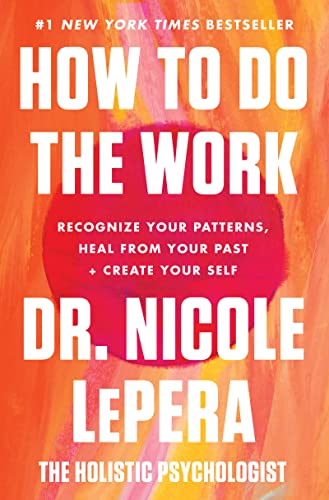
How to Do the Work: Recognize Your Patterns, Heal from Your Past, and Create Your Self
As an affiliate, we earn on qualifying purchases.
As an affiliate, we earn on qualifying purchases.

Recover and Rebuild Domestic Violence Workbook: Moving On from Partner Abuse
As an affiliate, we earn on qualifying purchases.
As an affiliate, we earn on qualifying purchases.