

After a breakup, notice if your partner avoids eye contact or seems distant, as it may show discomfort or hurt. Pay attention to their social cues, like avoiding mutual friends or changing online activity, which can indicate emotional distancing. Remember, silence often reflects their internal emotional state rather than a lack of feelings. By observing overall behavior and context, you’ll gain clearer insights without overthinking. Keep exploring to understand these signals more deeply.
Key Takeaways
- Observe overall behavior patterns rather than isolated moments of silence.
- Consider social context and whether avoidance indicates emotional distancing.
- Recognize that silence may reflect processing feelings, not necessarily disinterest.
- Use body language and online activity to gauge genuine emotional states.
- Focus on consistent cues to avoid overinterpreting brief pauses or reactions.

After a breakup, silence can feel deafening, but it often speaks volumes about your ex’s feelings and intentions. When they stop reaching out or avoid communication, it’s natural to wonder what’s really going on beneath the surface. Instead of overthinking every pause, try to observe their emotional reactions and social signals objectively. Silence can be a way for someone to process their feelings, distance themselves, or even test your response, but it’s rarely as straightforward as it seems. Recognizing these subtle cues can help you interpret their behavior more accurately.
Your ex’s emotional reactions—or lack thereof—are key to understanding their mindset. If they suddenly become distant, avoid eye contact, or seem cold when they do communicate, it might indicate discomfort or unresolved hurt. Conversely, if they remain neutral or indifferent, it could mean they’ve emotionally disengaged, or perhaps they’re trying to protect themselves from getting hurt further. Recognizing these emotional cues helps you avoid projecting your hopes or fears onto their silence. Instead, view their reactions as signals that reflect their internal state, not necessarily a reflection of your worth.
Social signals extend beyond words and into their overall behavior. Notice how they interact with others in social settings or how they handle shared connections. Do they avoid mutual friends or social events where you might appear? Are they actively posting on social media, or do they go quiet altogether? These social signals can reveal their comfort level and whether they’re trying to establish emotional distance. Sometimes, silence is a strategic social signal to create space or to diminish your influence in their life. Understanding these signals in the context of social cues can provide deeper insight into their intentions. Being aware of online behavior and how it correlates with offline actions can further clarify their emotional state. Additionally, paying attention to their body language can reveal unspoken feelings that words might conceal. Recognizing emotional reactions can help you differentiate between temporary withdrawal and a more permanent shift in their feelings.
It’s tempting to interpret silence as a sign of regret or a desire to reconnect, but more often, it’s a complex mix of emotional reactions and social signals that reveal their true intentions. Instead of obsessing over every message or pause, focus on what their overall behavior indicates. Are they clearly avoiding contact, or do they simply need space? Recognizing the variety of social signals they send can help you avoid overthinking and reduce the urge to read too much into brief moments of silence.
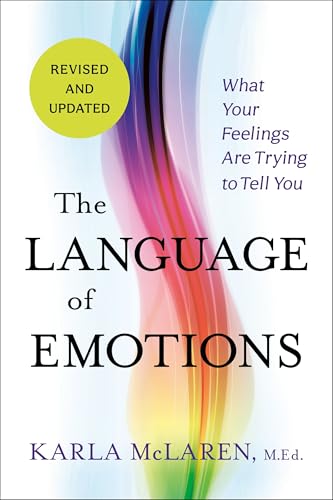
The Language of Emotions: What Your Feelings Are Trying to Tell You: Revised and Updated
As an affiliate, we earn on qualifying purchases.
As an affiliate, we earn on qualifying purchases.
Frequently Asked Questions
Can Silence Indicate Reconciliation Intentions?
Yes, silence can indicate reconciliation intentions, but you should pay close attention to non-verbal cues and emotional signals. If the silence feels warm, attentive, or filled with subtle gestures, it might suggest openness to reconnect. However, if it’s cold or distant, it could mean the opposite. Trust your instincts and observe consistent patterns in their non-verbal cues to better understand whether they’re considering reconciliation or not.
How Long Should I Wait to Interpret Silence?
You should give yourself at least a few days to a week before interpreting signals from silence, allowing emotional patience to guide you. Rushing to conclusions can lead to overthinking. Silence might mean many things, so avoid jumping to assumptions right away. Instead, observe any changes or patterns over time, and remember that patience helps you interpret signals more accurately, reducing unnecessary stress and emotional strain.
Does Silence Always Mean Emotional Withdrawal?
Silence doesn’t always mean emotional withdrawal; studies show 93% of communication is non-verbal. When you notice quiet moments, pay attention to emotional cues and non-verbal signals like body language or facial expressions. Sometimes, silence might just reflect processing or uncertainty, not avoidance. You can’t rely solely on words—observe the context, tone, and your partner’s overall behavior to truly understand what silence signifies.
How Can I Distinguish Silence From Avoidance?
You can distinguish silence from avoidance by paying attention to non-verbal cues and emotional context. If your partner remains silent but shows signs of engagement, like eye contact or open posture, it’s likely a pause rather than avoidance. However, if their body language becomes closed off, restless, or distant, and the silence persists, it might indicate they’re avoiding rather than simply reflecting. Trust these subtle cues to interpret their true intentions.
Is Silence After a Breakup Healthy or Unhealthy?
Silence after a breakup can be healthy if it allows you emotional processing and personal growth. It provides space to reflect on your feelings without rushing into new interactions. However, if silence feels like avoidance or avoidance prolongs pain, it may be unhealthy. Listen to your needs—sometimes, quiet time helps you heal, but staying silent too long might hinder emotional recovery. Balance is key for healthy healing.

Social Cues for Teens: A teen's guide to reading body language, tone and social signals
As an affiliate, we earn on qualifying purchases.
As an affiliate, we earn on qualifying purchases.
Conclusion
So, next time you notice the silence after a breakup, ask yourself—what could it truly be telling you? Maybe it’s a moment to reflect, heal, or simply breathe. Don’t rush to fill the quiet with assumptions or overthink every pause. Instead, embrace the silence as part of your healing journey. After all, isn’t it in these quiet moments that we often find the clarity we’ve been searching for?

The Social Media Marketing Workbook: Workbook and Activity Tracker for Network Marketers Looking to Consistently Build Their Network and Increase … … for Network Marketers and Agents Online)
As an affiliate, we earn on qualifying purchases.
As an affiliate, we earn on qualifying purchases.
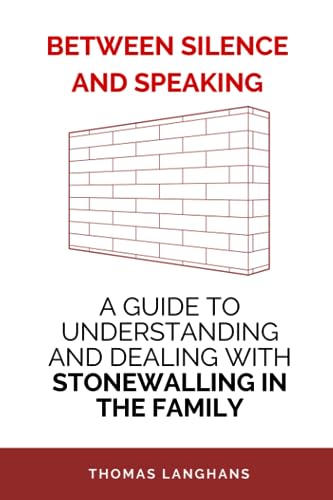
BETWEEN SILENCE AND SPEAKING: A GUIDE TO UNDERSTANDING AND DEALING WITH STONEWALLING IN THE FAMILY
As an affiliate, we earn on qualifying purchases.
As an affiliate, we earn on qualifying purchases.