
You might hold onto mementos from your ex-partner because these objects symbolize love, memories, or unresolved feelings, making it hard to let go emotionally. Clinging to these items can keep you anchored in the past and hinder healing. Recognizing that memories live in your mind and heart—and not solely in possessions—is key. If you want to learn how to release emotional clutter and move forward, there’s more you can explore.
Key Takeaways
- People keep mementos as symbols of love, memories, or life chapters, making it hard to let go emotionally.
- Clinging to shared belongings can prevent emotional healing and keep individuals anchored to past pain.
- Recognizing the difference between sentimental value and emotional attachment helps in releasing unnecessary items.
- Strategies like sorting possessions, taking photos, and setting boundaries facilitate letting go of mementos.
- Releasing items creates space for personal growth, emotional resilience, and new experiences.
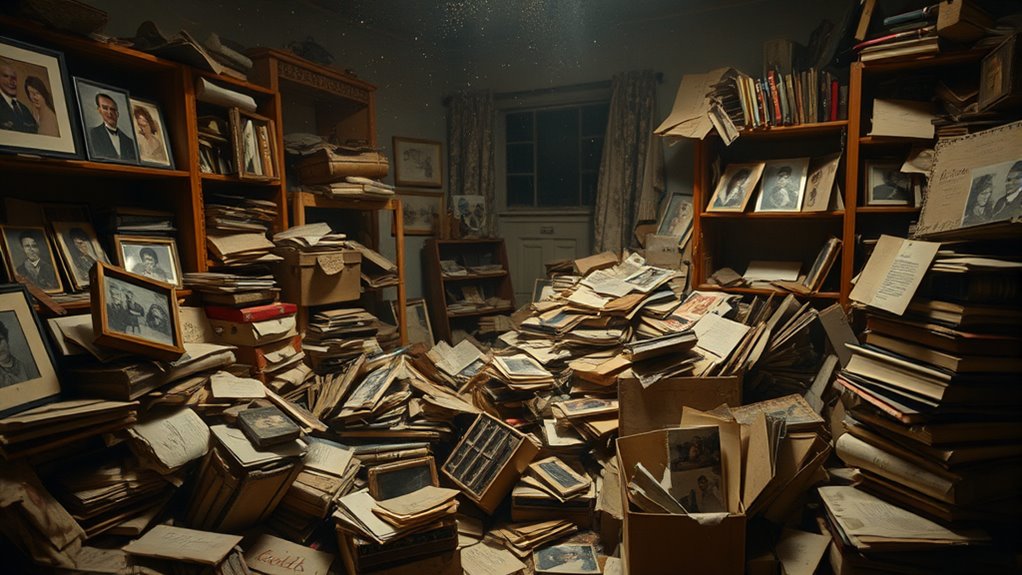
When an ex-partner refuses to let go of shared belongings or memories, it can create ongoing emotional clutter that’s hard to clear. You might find yourself holding onto mementos, photos, or keepsakes because of the emotional attachment you feel or the desire to preserve memories. These objects often serve as tangible links to your past relationship, making it difficult to detach emotionally. You may think that keeping these items helps preserve the good times or maintains a sense of connection, but in reality, they often keep you anchored to the pain and loss. Recognizing the difference between healthy memory preservation and unnecessary hoarding is essential for moving forward.
Your emotional attachment to certain objects isn’t just about the physical item; it’s about what it represents. A gift from your ex, a shared souvenir, or even a piece of clothing may symbolize love, companionship, or a chapter of your life you’re reluctant to forget. It’s natural to want to hold onto these reminders—they provide comfort and a sense of continuity. However, clinging to them can also hinder your healing process, trapping you in the past instead of allowing you to embrace the present. You might find that understanding the psychological impact of attachment can help clarify your feelings and guide your decisions. The challenge lies in understanding that memories are stored in your mind and heart, not solely in physical objects. Keeping too many mementos can create clutter, both emotionally and physically, making it harder to move on.
Letting go doesn’t mean erasing the past or forgetting the good moments you shared. Instead, it’s about creating space for new experiences and emotional growth. You might start by sorting through possessions, asking yourself which items truly bring you joy or serve a meaningful purpose now. Consider taking photographs of sentimental objects before letting them go, so you still have a visual reminder without the physical clutter. Establish boundaries for what you keep, and recognize that it’s okay to release items that no longer serve your well-being. Remember, emotional attachment is natural, but it shouldn’t prevent you from healing and creating a future beyond the memories tied to those objects.
In the end, learning to let go of shared belongings isn’t just about decluttering your space; it’s about reclaiming control over your emotional landscape. You deserve to move forward with a sense of peace, unburdened by the weight of possessions that no longer serve you. By consciously choosing what to hold onto and what to release, you’re taking essential steps toward emotional freedom and a healthier, happier future. Recognizing the importance of emotional resilience can empower you to navigate this process more effectively.

Photo Storage Box, Photo Box, Picture Organizers, Box Memories, Decorative Photo Storage Box, The 2026 Multi-functional Storage Box Can Hold 1800 Photos, Stamps or Cards That Are 4×6 Inches in Size.
【Photo Storage Box】Are you still troubled by looking for nostalgic photos? This elegant linen photo storage box with…
As an affiliate, we earn on qualifying purchases.
As an affiliate, we earn on qualifying purchases.
Frequently Asked Questions
How Does Hoarding Affect Future Romantic Relationships?
Hoarding can negatively affect your future relationships by reinforcing unhealthy relationship patterns and blurring emotional boundaries. When you hold onto mementos, you might struggle to fully connect or trust new partners, fearing loss or abandonment. This can lead to emotional distance or clinginess. To build healthier relationships, you need to recognize these patterns, establish clear boundaries, and let go of the past, allowing genuine intimacy and trust to develop.
Can Therapy Effectively Help With Ex-Partner Hoarding?
Yes, therapy can effectively help with ex-partner hoarding. Through emotional healing, you’ll explore underlying reasons for your attachment to mementos. Therapy techniques like cognitive-behavioral therapy (CBT) or trauma-focused therapy help you challenge beliefs and process feelings. A therapist guides you in gradually letting go of items, reducing emotional barriers, and creating healthier habits. With support, you can overcome hoarding tendencies and move forward more freely.
What Are Signs of Emotional Attachment to Mementos?
You might notice signs of emotional attachment to mementos when they hold sentimental value beyond their appearance, making it hard to part with them. Emotional triggers like memories or feelings tied to a past relationship often cause you to cling to these items. If you find yourself avoiding letting go because of these strong feelings or using them to reconnect with the past, it indicates a deep emotional attachment to those mementos.
How Long Does It Typically Take to Let Go of These Items?
Letting go of mementos is like releasing balloons into the sky—timing challenges and emotional readiness vary for everyone. Usually, it takes weeks or months, but some find it quicker, while others need more time to heal. Trust your feelings and give yourself space. There’s no set timeline; your emotional journey guides when you’re ready to let go and find peace beyond these keepsakes.
Are There Cultural Differences in Hoarding Behaviors?
Cultural differences influence hoarding behaviors, especially through cultural norms and collectivist attitudes. In some cultures, holding onto mementos signifies respect for family, ancestors, or tradition, making it harder to let go. You might notice that collectivist societies prioritize group harmony over individual detachment, leading to stronger attachment to possessions. Recognizing these cultural influences helps you understand your own hoarding habits and develop more compassionate approaches to letting go.

Lose Your Stuff Find Yourself: Break Free From Clutter's Emotional Grip
As an affiliate, we earn on qualifying purchases.
As an affiliate, we earn on qualifying purchases.
Conclusion
Understanding why you hold onto mementos from an ex-partner can help you start letting go. Remember, about 70% of people keep keepsakes as a way to preserve memories, but clinging to them might hinder your healing process. By consciously choosing to release these items, you create space for new experiences and growth. Letting go isn’t easy, but it’s a crucial step toward emotional freedom and moving forward with your life.

DRASTAR Wooden Keepsake Box, Large Acacia Storage Box with a Hinged Lid, Memory treasure box for Crafts and Photo Storage
HANDMADE FROM ACACIA WOOD: The wooden keepsake box is handmade from 100% solid acacia wood, retaining the natural…
As an affiliate, we earn on qualifying purchases.
As an affiliate, we earn on qualifying purchases.

The Sentimental Person's Guide to Decluttering
As an affiliate, we earn on qualifying purchases.
As an affiliate, we earn on qualifying purchases.