
TL;DR
The United States’ 250th Independence Day celebrations are impacted by widespread burn-bans, leading to cancellations and restrictions on fireworks displays. Officials cite drought and fire risk as reasons, causing concern over the scale of celebrations.
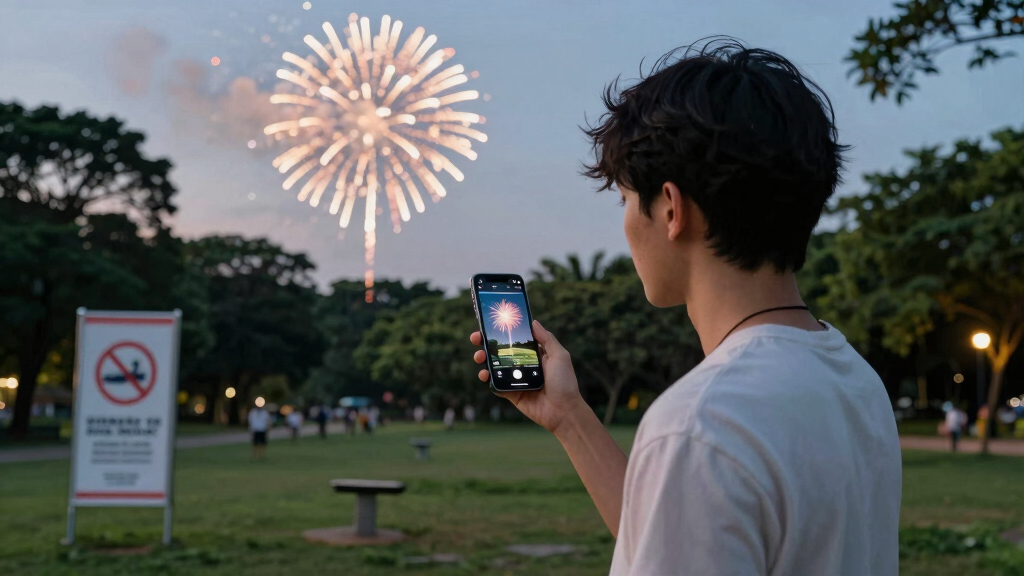
Major fireworks displays marking America’s 250th Independence Day are being canceled or significantly scaled back across multiple states due to widespread burn-bans aimed at preventing wildfires amid ongoing drought conditions.

Get gifts for the two of you delivered free with Prime
- Fast, free delivery on millions of items
- Prime Video, Amazon Music and more included
- Member-only deals all year
Impacts on National Celebrations and Fire Safety
The cancellation or reduction of fireworks displays for America’s 250th anniversary highlights the growing challenges of wildfire prevention amid climate change. It underscores how environmental conditions are directly affecting cultural traditions and large-scale public events. For many Americans, the fireworks are a central part of Independence Day celebrations; their absence could alter the holiday’s typical festivities. Additionally, the restrictions reflect a broader shift towards prioritizing safety and environmental conservation, which may influence future holiday planning and public expectations.Popular right now

LG OLED evo C4 55-Inch 4K Smart OLED TV (OLED55C4PUA) with 144Hz Refresh Rate, HDMI Cable, 24-Month Protection Plan, and Streaming Bundle

KitchenAid Artisan 5-Quart Tilt-Head Stand Mixer, Dried Rose (KSM150PS)

KitchenAid 5.5-Quart Bowl-Lift Stand Mixer, Porcelain White
As an affiliate, we earn on qualifying purchases.
Drought Conditions and Fire Restrictions Across the U.S.
In recent months, many regions across the U.S. have experienced severe drought, leading to heightened fire risk. According to the U.S. Drought Monitor, over 60% of the country is experiencing some level of drought, with many areas classified as extreme or exceptional. State and local authorities have responded by issuing burn-bans and fire restrictions, including bans on fireworks, to mitigate wildfire threats. Historically, July 4th fireworks have been a staple of American celebrations, but the increasing frequency and severity of wildfires have prompted a reevaluation of safety protocols. This year marks one of the most widespread restrictions in recent memory, affecting hundreds of communities.“We are prioritizing wildfire prevention this year, which means no fireworks on public or private lands in our state. We understand the significance of the holiday, but safety comes first.”
— John Smith, California Fire Chief
Extent of Cancellations and Future Fire Restrictions
It is not yet clear how many smaller or private fireworks displays will be canceled or scaled back beyond the major public shows. The full scope of ongoing or future restrictions, especially in states with less severe drought, remains uncertain as conditions evolve and officials continue to assess fire risk.Monitoring Fire Restrictions and Alternative Celebrations
Authorities are expected to extend fire restrictions if drought conditions persist. Event organizers and communities are exploring alternative celebration methods, such as drone displays or parades, to mark the holiday safely. Updates will likely follow as officials evaluate fire risk levels and adjust policies accordingly.Key Questions
Why are fireworks being canceled for the 250th anniversary?
Fireworks are being canceled or scaled back due to widespread burn-bans and fire restrictions across many states, which are in place to prevent wildfires amid ongoing drought and high temperatures.
Which states are most affected by the fire restrictions?
States including California, Colorado, Texas, and others in the western and southern U.S. have issued burn-bans that impact large fireworks displays and other outdoor burning activities.
Will there be alternative ways to celebrate without fireworks?
Yes, some communities are planning alternative celebrations such as drone light shows, parades, or other events that do not pose fire risks.
How long are these fire restrictions expected to last?
Restrictions are likely to remain in place until drought conditions improve and fire risk decreases, with officials monitoring environmental reports for updates.
Could private or small-scale fireworks still be used?
In many areas, private fireworks are also banned under local burn-bans, but enforcement varies. It is advised to check specific local regulations.
Source: google-trends