

A mid-relationship review helps you evaluate your connection by examining communication patterns, emotional intimacy, shared goals, and personal boundaries. It encourages honest conversations about your future plans and how well your needs are being met. Reflecting on these areas helps you identify strengths and address challenges early, ensuring you stay aligned as a couple. Staying proactive in appraising your relationship can foster growth and resilience—if you want to learn how to do this effectively, keep exploring these strategies.
Key Takeaways
- Evaluate communication patterns to identify strengths and areas for improvement in understanding and conflict resolution.
- Discuss future goals to ensure alignment on major life plans and relationship direction.
- Assess emotional intimacy and support levels to maintain connection and address vulnerabilities early.
- Review personal boundaries and individual growth to foster mutual respect and independence.
- Reflect on relationship progress, celebrating strengths and setting goals for continued development.

As your relationship reaches its midpoint, taking a step back to review how things are going can provide valuable insights. This is the perfect time to evaluate your communication patterns, which are fundamental to understanding each other’s needs and building trust. Are you both comfortable sharing your thoughts openly? Do disagreements escalate or get resolved smoothly? Reflecting on these aspects helps you identify areas where communication is strong and where it needs improvement. Effective communication isn’t just about talking; it’s about listening, understanding, and responding thoughtfully. If you notice recurring misunderstandings or unresolved issues, now’s the time to address them before they build into bigger problems. By consciously working on your communication, you can strengthen your connection and create a more supportive environment for both of you.
Another critical aspect to ponder during this review is your future planning. Are you aligned on major life goals, such as career paths, living arrangements, or family plans? Discussing your visions for the future isn’t just about making practical decisions; it’s about ensuring your paths are compatible. If one of you envisions traveling the world while the other prefers settling down, it’s better to recognize these differences early rather than letting them fester. This conversation can reveal whether your priorities are harmonious or if compromises are necessary. Future planning also involves talking about how you see your relationship evolving. Do you both want to get engaged, or are you content with your current status? Clarifying these intentions helps prevent misunderstandings and ensures you’re moving forward together, not in separate directions.
At this stage, it’s also wise to assess your emotional intimacy and support systems. Are you both feeling valued and understood? Are you comfortable sharing your vulnerabilities? Building emotional intimacy requires ongoing effort, and taking stock now allows you to nurture it consciously. If you find that one of you is withdrawing or feeling disconnected, addressing this promptly can prevent deeper issues down the line.
Additionally, understanding the importance of maintaining your individual identities within the relationship can be beneficial; cultivating personal boundaries helps both partners feel respected and balanced.
In essence, a mid-relationship review isn’t about fault-finding but about growth. It’s a chance to celebrate your strengths and recognize areas for development. Focus on honest conversations about your communication patterns, aspirations, and emotional needs. Doing so not only helps you navigate the present but also sets a solid foundation for the future. When you actively evaluate and adapt, you’re more likely to build a resilient, fulfilling partnership that can weather whatever challenges lie ahead.
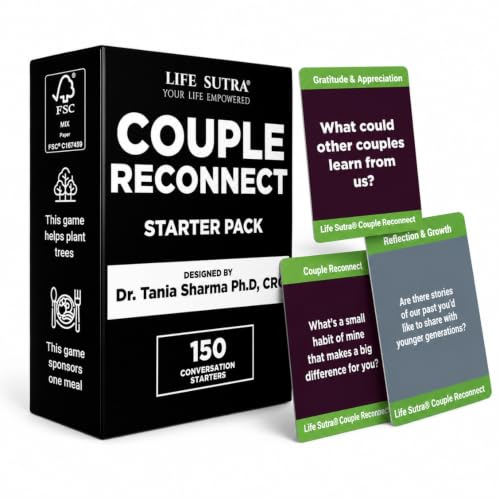
Life Sutra Couple Reconnect Card Game, 150 Conversation Cards to Build Trust, Deepen Bond & Strengthen Communication, A Therapy-Inspired Game for Married & Mature Couples & Gift for Stocking Stuffer
- Deepens Emotional Connection: 150 prompts for honest sharing
- Easy to Play: Draw, ask, and connect effortlessly
- Fosters Relationship Growth: Encourages empathy and trust
As an affiliate, we earn on qualifying purchases.
Frequently Asked Questions
How Often Should Couples Conduct a Mid-Relationship Review?
You should conduct a mid-relationship review every six months to a year. During this time, focus on improving communication skills and discussing future planning. Regular check-ins help you identify what’s working and address any concerns early. By making these reviews a habit, you foster stronger understanding and growth, ensuring your relationship remains healthy and aligned with your shared goals.
What Signs Indicate It’s Time for a Relationship Check-In?
You should consider a relationship check-in when communication patterns feel strained or emotional intimacy seems to decline. If you notice misunderstandings increasing, unresolved conflicts piling up, or both of you feeling disconnected, it’s a clear sign. Regularly evaluating how you communicate and nurture emotional closeness helps maintain a healthy bond. Don’t wait for a crisis; proactive check-ins keep your connection strong and ensure both partners feel heard and valued.
How Can Partners Address Unresolved Conflicts During Reviews?
You can address unresolved conflicts during reviews by fostering open communication and prioritizing emotional safety. Encourage your partner to share their feelings without fear of judgment, and listen actively to identify underlying issues. Be patient and avoid blame, focusing instead on understanding each other’s perspectives. By creating a safe space where both of you feel heard and respected, you’ll find it easier to resolve conflicts and strengthen your relationship.
What Tools or Prompts Assist Effective Relationship Assessments?
You can use communication tools like open-ended questions and reflection prompts to assess your relationship effectively. These tools help you explore feelings, identify growth areas, and celebrate successes. For example, prompts like “What makes you feel most loved?” encourage honest conversations. Using these thoughtfully keeps your review constructive and insightful, fostering deeper understanding and connection, even when addressing sensitive topics.
How Do Cultural Differences Influence Mid-Relationship Evaluations?
Cultural differences shape how you evaluate your relationship during midpoints by influencing cultural norms and communication styles. You might find that varying norms affect how openly you discuss issues or express love. Understanding these differences helps you navigate evaluations more empathetically, fostering better communication. Recognizing that cultural norms and communication styles vary guarantees you approach the assessment with sensitivity, strengthening your connection as you address challenges and celebrate milestones together.

FLUYTCO Love Lingual: The Original Couples Card Game | 150 Conversation Starter Cards for Date Night, Deeper Connection & Relationship Building | Intimacy Game
- Designed for meaningful conversations: Fosters deep, trust-building discussions
- Five themed categories: Guides conversation from playful to reflective
- Widely reviewed and trusted: Over 11,000 verified reviews from couples
As an affiliate, we earn on qualifying purchases.
Conclusion
Think of your relationship as a garden; milestones are the seasons that reveal what’s blooming and what’s withering. Taking time for this mid-relationship review is like tending to your love’s roots—nurturing growth or pruning away the dead weight. By honestly evaluating your journey so far, you’re planting seeds for a future filled with vibrant blossoms or learning to navigate storms together. Remember, every season offers a fresh chance to cultivate love’s lasting beauty.
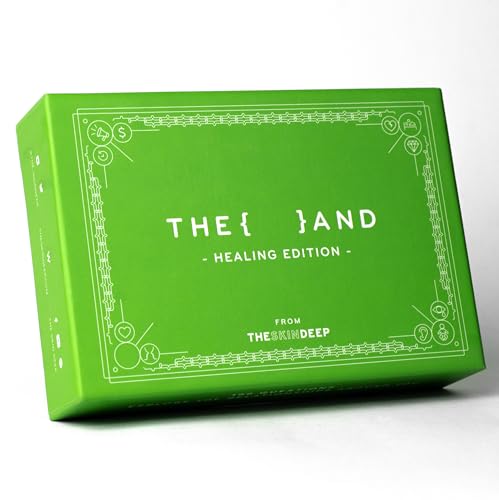
{THE AND} Healing Edition - 199 Question Cards to Heal Strained Relationships - Reconnect by Understanding & Releasing Hurt Feelings - Couple Card Game to Have Difficult Conversations By The Skin Deep
- Game for Healing Relationships: Releases hurt feelings and reconnects
- Facilitates Effective Communication: Provides a safe space for expression
- Promotes Reconnection and Healing: Breaks down barriers for deeper bonds
As an affiliate, we earn on qualifying purchases.

The 5 Love Languages® Card Game, Couples Games for Adults, 2 players, 16+
- Engaging Couples Card Game: Fun game for couples to connect and laugh
- Deepen Your Connection: 300 prompt cards to explore your relationship
- Variety of Card Types: Questions, date ideas, and pop quizzes
As an affiliate, we earn on qualifying purchases.