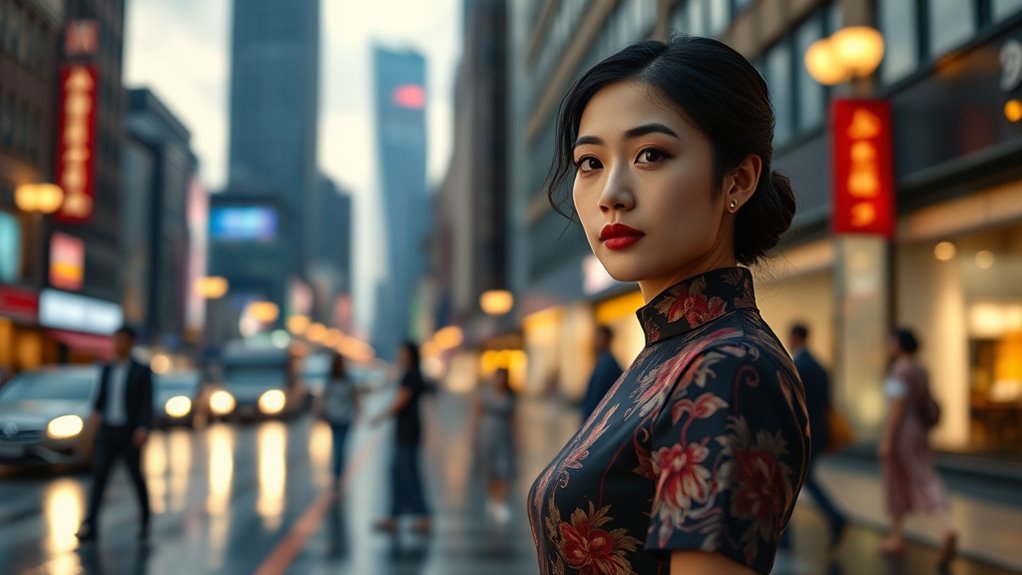

The “leftover women” myth unfairly labels you as undesirable or incomplete once you reach your late twenties, reflecting societal pressure to marry early and prioritize family over personal achievements. These stereotypes focus on your relationship status rather than your talents, ambitions, or goals. Society often judges women based on age and relationship, making you feel conflicted about personal growth or career. Understanding the roots of this myth can empower you and help shift perspectives toward valuing women at every stage of life.

Get gifts for the two of you delivered free with Prime
- Fast, free delivery on millions of items
- Prime Video, Amazon Music and more included
- Member-only deals all year
Key Takeaways
- The “leftover women” label stereotypes women over 27 as undesirable or incomplete, reinforcing societal pressure to marry early.
- Cultural norms emphasize early marriage and family, pressuring women to conform to traditional timelines.
- Society equates a woman’s worth with her relationship status, dismissing personal achievements and talents.
- Age discrimination leads women to internalize societal judgments, fostering self-doubt and anxiety about remaining single.
- Challenging these outdated notions promotes recognizing women’s value beyond marriage and encourages personal growth.

Despite widespread beliefs, the label “leftover women” unfairly stereotypes educated, single Chinese women over 27 as undesirable or incomplete. This term feeds into the deep-seated societal expectations that women should marry early and prioritize family over personal ambitions. As you navigate this cultural landscape, you may feel the weight of age discrimination, where your value is often judged based on marital status rather than achievements or personal growth. Society’s rigid standards tend to push women into a narrow timeline, implying that if you haven’t married by a certain age, you’re falling behind or missing out on life’s most important milestones. These expectations create a pressure cooker environment, where your choices are scrutinized, and your worth is often measured against traditional norms.
You might find yourself constantly bombarded with questions about your relationship status, even from strangers or distant relatives. The societal expectation that women should marry in their early twenties or by their late twenties leaves many feeling like they’re running out of time or that they’re somehow incomplete. This can lead to internalized age discrimination, where you start to doubt your own value or feel inadequate because you haven’t conformed to these expectations. The fear of being labeled a “leftover woman” becomes a pervasive concern, fueling anxiety about your future and your perceived societal role. It’s as if society is telling you that your worth is tied to your marital status, ignoring your talents, ambitions, or personal happiness.
This cultural pressure often results in women feeling trapped between their own aspirations and societal demands. You may hesitate to prioritize your career or personal growth, fearing it will jeopardize your chances of marriage or reinforce stereotypes. Meanwhile, societal expectations continue to reinforce the idea that a woman’s primary goal should be to marry and start a family, regardless of her individual goals or circumstances. The impact of age discrimination is subtle but persistent, subtly suggesting that women who are single past a certain age are somehow less desirable or successful. It’s a harmful outlook that reduces your identity to just your relationship status, ignoring the broader, richer aspects of your life.
Recognizing that these societal pressures are rooted in outdated notions can empower you to challenge them and seek a more authentic path. Your worth isn’t defined by marriage or age; it’s rooted in your unique talents, ambitions, and choices. The “leftover women” myth is a social construct that unfairly constrains women’s freedom to live authentically. By understanding the roots of age discrimination and societal expectations, you can foster confidence in your own path and advocate for a more inclusive view that values women at every stage of life.
Frequently Asked Questions
How Does the “Leftover Women” Stereotype Vary Across Different Chinese Regions?
You might notice that regional stereotypes about single women in China differ due to cultural variations. In some areas, being unmarried past a certain age is seen as a social failure, while in others, it’s more accepted or even encouraged. These cultural differences shape perceptions of “leftover women,” with urban regions often holding stricter views compared to rural areas, reflecting diverse societal pressures and expectations across Chinese regions.
What Are the Psychological Impacts of the “Leftover Women” Label?
Imagine you’re living in a world where, like in a Shakespearean play, societal pressure constantly echoes. The “leftover women” label can cause self-esteem issues and societal anxiety, making you feel inadequate or judged for remaining single. It can erode your confidence, foster feelings of isolation, and heighten stress about future prospects. This stereotype unfairly shapes your self-perception, leading to emotional distress and a sense of societal failure.
How Do Educational and Career Achievements Influence Perceptions of Single Women?
Educational empowerment and career achievements shape how others perceive you as a single woman. When you excel academically and professionally, people often see you as more independent and capable, which can challenge traditional stereotypes. However, some may still hold outdated career perceptions, viewing successful women as less marriageable. Your achievements can both elevate your image and sometimes trigger societal pressures to conform to conventional roles, influencing how you’re judged and treated.
Are There International Equivalents to the “Leftover Women” Myth?
You might find that international stereotypes about single women vary, but many cultures share similar pressures. For instance, in South Korea, “golden bachelor” is a term that puts a spotlight on single men, while women face different expectations. Cultural comparisons reveal that some societies view single women as incomplete or destined for loneliness, showing that the “leftover women” myth isn’t unique to China but echoes worldwide.
What Policy Changes Are Being Proposed to Address This Cultural Pressure?
You might see policy reforms and social campaigns aiming to challenge cultural pressures on single women. Governments and organizations propose laws promoting gender equality, protecting women’s rights, and encouraging diverse life choices. Social campaigns raise awareness to combat stereotypes and foster acceptance. These initiatives intend to create a more inclusive environment where women can choose their paths without facing societal judgment or pressure, ultimately helping to reduce the harmful “leftover women” stigma.
Conclusion
You might think society’s pressure is just harmless gossip, but it’s more than that. These myths can make you feel invisible or judged, pushing you to conform instead of thriving on your own terms. But remember, your worth isn’t defined by marriage or societal expectations. Embrace your choices confidently. By challenging these stereotypes, you free yourself and others from outdated pressures, creating space for everyone to live authentically and happily, regardless of societal labels.
Fall Picks
fall essentials
As an affiliate, we earn on qualifying purchases.