Writing a letter from your past self to your present self helps you reflect on emotional wounds, offering clarity and understanding. It encourages honest exploration of feelings, helping you process resentment and recognize personal growth. This practice shifts perspectives, fosters compassion, and rewires emotional responses, leading to greater peace and self-awareness. By confronting unresolved emotions, you gain resilience and forgiveness. Keep exploring how this method can transform your feelings and promote healing in your life.
Key Takeaways
- Writing to your past self fosters emotional healing by revisiting and reframing previous experiences with a compassionate perspective.
- This practice helps identify unresolved emotions and triggers, facilitating forgiveness and reducing lingering resentment.
- Comparing past and present selves highlights personal growth and resilience, encouraging self-awareness and emotional intelligence.
- Rewiring emotional responses through reflection enables you to approach future conflicts with patience and understanding.
- Overall, these letters promote emotional peace and self-compassion, transforming resentment into acceptance and inner harmony.

Writing a letter to your past self can be a powerful way to reflect on how you’ve changed over the years. It allows you to revisit your earlier experiences with a fresh perspective and provides an opportunity for emotional healing. When you sit down to write, you’re encouraged to explore your feelings openly, which can help you process lingering resentment or regrets. This process fosters greater self-awareness, as you begin to recognize patterns, growth, and areas that still need attention. By addressing your past honestly, you create space for understanding and compassion, both for yourself and others involved in your journey.
Writing to your past self fosters reflection, healing, and compassion through honest exploration of your growth and unresolved feelings.
As you write to your past self, focus on acknowledging the pain or mistakes you might have carried for years. Oftentimes, unresolved emotions act as barriers to emotional healing. Recognizing these feelings helps you confront them directly, rather than suppressing or avoiding them. You might remind yourself of the resilience you showed during tough times or the lessons you learned from mistakes. This reflection helps you see how you’ve evolved, and it makes it easier to forgive yourself for past missteps. When you develop self-awareness through this exercise, you’re better equipped to understand your triggers and emotional responses today, enabling you to manage them more effectively.
This practice also allows you to identify how your perspective has shifted over time. You could write about moments where you’ve gained clarity or where you’ve realized that your resentment was rooted in misunderstandings or unmet expectations. By doing so, you’re not only rewinding resentment but also rewiring your emotional responses to similar situations now. You start to see past grievances with compassion instead of anger or bitterness, which is a *vital* step towards emotional healing. Over time, these insights can help you let go of grudges that no longer serve you and replace them with acceptance and peace.
Moreover, writing these letters emphasizes your growth and helps you appreciate how far you’ve come. It’s a reminder that change is possible and that you possess the strength to heal emotional wounds. This process boosts your self-awareness by highlighting your progress and clarifying your values and priorities. When you understand your past reactions and emotions better, you’re more likely to approach future conflicts with patience and understanding. Ultimately, this exercise empowers you to transform resentment into compassion, fostering emotional healing and a more peaceful, self-aware life.
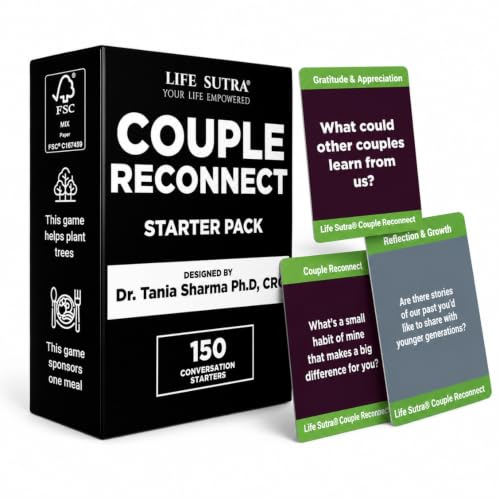
Life Sutra Couple Reconnect Card Game, 150 Conversation Cards to Build Trust, Deepen Bond & Strengthen Communication, A Therapy-Inspired Game for Married & Mature Couples & Gift for Stocking Stuffer
- Deepens Emotional Connection: 150 prompts for honest sharing
- Easy to Play: Draw, ask, and connect effortlessly
- Fosters Relationship Growth: Encourages empathy and trust
As an affiliate, we earn on qualifying purchases.
Frequently Asked Questions
How Can Writing These Letters Improve Personal Growth?
Writing these letters helps you engage in self reflection, which uncovers hidden feelings and patterns. By expressing your thoughts openly, you promote emotional healing and gain clarity about your experiences. This process encourages you to confront past wounds, understand your reactions, and develop compassion for yourself. Ultimately, it fosters personal growth by transforming resentment into understanding, empowering you to move forward with greater resilience and emotional balance.
Are There Specific Situations Best Suited for This Exercise?
You should try this exercise when you’re feeling stuck in resentment or emotional pain, as it encourages emotional release and reflective insight. It’s especially helpful after conflicts or difficult experiences where you need clarity and understanding. Writing these letters allows you to process emotions, gain perspective, and release anger, making it a powerful tool for personal growth in challenging situations.
Can This Method Help Resolve Long-Standing Conflicts?
When it comes to resolving long-standing conflicts, this method can be a game-changer. You might find that it allows for an emotional release, helping you see past wounds with clarity. While it’s not a magic bullet, it can soften hardened feelings and open new pathways for conflict resolution. Keep in mind, healing takes time, but taking this step shows you’re ready to face the past and move forward.
How Often Should One Write Past vs. Present Self Letters?
When considering how often to write past vs. present self letters, it’s best to follow some frequency guidelines. You might start with once a month, then adjust based on your comfort. Consistency benefits your emotional clarity and growth, so regular writing helps you process feelings effectively. Remember, there’s no perfect schedule—listen to your needs, and adapt as you go to make this tool most beneficial.
What Emotional Reactions Might I Expect During the Process?
Imagine you’re time-traveling in your mind—during this process, emotional triggers might surface unexpectedly, sparking surprise or discomfort. You could experience reaction patterns like defensiveness, vulnerability, or relief as you confront unresolved feelings. These emotions are natural, and riding them out can lead to greater self-awareness. Expect a mix of highs and lows, but remember, this journey helps you understand your emotional landscape and release lingering resentment.

FLUYTCO Love Lingual: The Original Couples Card Game | 150 Conversation Starter Cards for Date Night, Deeper Connection & Relationship Building | Intimacy Game
- Designed for meaningful conversations: Fosters deep, trust-building discussions
- Five themed categories: Guides conversation from playful to reflective
- Widely reviewed and trusted: Over 11,000 verified reviews from couples
As an affiliate, we earn on qualifying purchases.
Conclusion
Writing a past vs. present self letter can truly be a game-changer, helping you release resentment that feels like it could crush mountains. By bridging your old and current selves, you gain clarity and peace you never thought possible—like transforming a stormy sea into calm waters. So, don’t wait for resentment to become a hurricane; grab this tool now and watch your emotional storms turn into gentle breezes, setting you free to embrace a brighter, more forgiving future.
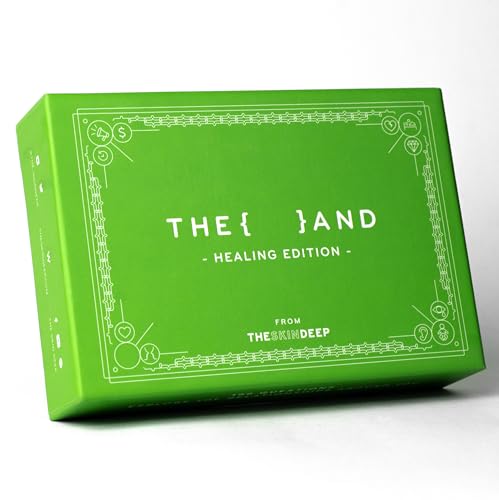
{THE AND} Healing Edition - 199 Question Cards to Heal Strained Relationships - Reconnect by Understanding & Releasing Hurt Feelings - Couple Card Game to Have Difficult Conversations By The Skin Deep
- Game for Healing Relationships: Releases hurt feelings and reconnects
- Facilitates Effective Communication: Provides a safe space for expression
- Promotes Reconnection and Healing: Breaks down barriers for deeper bonds
As an affiliate, we earn on qualifying purchases.

The 5 Love Languages® Card Game, Couples Games for Adults, 2 players, 16+
- Engaging Couples Card Game: Fun game for couples to connect and laugh
- Deepen Your Connection: 300 prompt cards to explore your relationship
- Variety of Card Types: Questions, date ideas, and pop quizzes
As an affiliate, we earn on qualifying purchases.