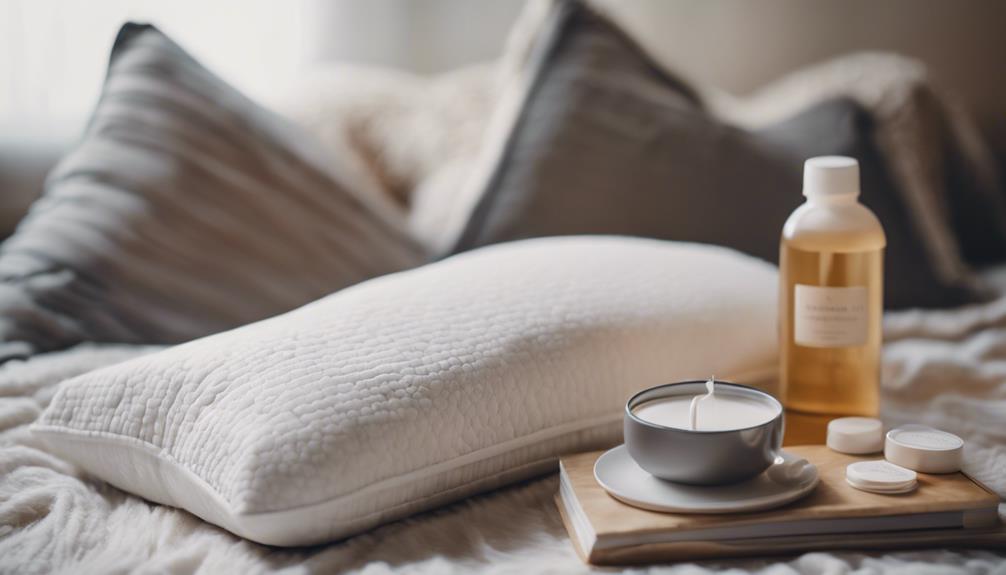
Shared comfort has become a key theme in modern homes because it helps you balance connection and privacy. Open layouts foster interaction, while private spaces let you unwind and reflect. Minimalist designs create calm, supporting both social and solo moments. Natural light and flexible spaces boost well-being and adaptability. This focus on thoughtful environments encourages deep bonds and personal sanctuary. If you want to understand how this balance shapes your space, explore more about creating harmony at home.

Get gifts for the two of you delivered free with Prime
- Fast, free delivery on millions of items
- Prime Video, Amazon Music and more included
- Member-only deals all year
Key Takeaways
- Modern homes emphasize shared spaces to foster connection and communication among residents.
- Incorporating private retreats balances social interaction with personal well-being.
- Minimalist design reduces clutter, promoting calmness and positive relationships.
- Flexibility in home layouts supports evolving needs for both socializing and solitude.
- Natural light and thoughtful layouts enhance mood, strengthening bonds through a harmonious environment.

Have you ever wondered how modern homes foster a sense of shared comfort among residents? It’s a thoughtful balance between creating inviting communal areas and allowing each person their own private spaces. Today’s home design emphasizes this duality, making shared comfort more than just a trend—it’s a fundamental aspect of modern living. You’ll notice that open-plan layouts encourage interaction, whether it’s gathering in the living room or cooking together in the kitchen. But equally important are private spaces that let you retreat when needed, providing a personal sanctuary amid the shared environment. These private spaces aren’t just bedrooms; they’re personalized zones where you can unwind, reflect, or simply enjoy solitude. This mix ensures that everyone feels comfortable—connected yet free to be alone when they want. Additionally, private spaces are often designed to promote relaxation and mental well-being, reinforcing their importance in a balanced home. Creating a sense of home harmony involves thoughtful planning and intentional design choices that support both social and solitary needs. Minimalist design plays a crucial role in fostering shared comfort because it strips away clutter and distractions, creating a calm, harmonious atmosphere. When your home embraces simplicity, the focus shifts to meaningful interactions and peaceful coexistence. The clean lines, neutral tones, and open layouts of minimalist spaces make shared areas feel more inviting and less overwhelming. You’re encouraged to spend quality time together because the environment promotes tranquility rather than chaos. At the same time, minimalist design makes private spaces more functional and calming, helping you relax fully during your alone time. It’s about creating environments that serve both social and solitary needs without competing for attention or space. This approach to home design reflects a broader understanding of relationships and individual well-being. Modern homes are no longer just about aesthetics—they’re about fostering a sense of community while respecting personal boundaries. You’re encouraged to enjoy shared moments without sacrificing your need for privacy. The seamless integration of private spaces within open, minimalist environments means you can host friends comfortably or enjoy quiet evenings alone without feeling disconnected from the overall home. The flow of the space is intentional, ensuring that shared comfort doesn’t come at the expense of personal comfort. An understanding of home design principles can help create these balanced environments effectively. Incorporating flexible spaces allows for adaptability as your needs evolve over time, enhancing the functionality of your home. Moreover, integrating natural light into these spaces can significantly boost your overall mood and sense of well-being. Ultimately, the reason shared comfort has become a major theme in modern homes is that it recognizes the importance of balance. You want a space where you can connect deeply with others, yet also find refuge in your own private spot. By combining private spaces with minimalist design, today’s homes support your well-being, relationships, and individual peace all at once. This harmony makes your home not just a place to live, but a sanctuary that nurtures shared joy and personal tranquility.
Popular right now

De'Longhi Classic Signature Espresso Machine with Adjustable Milk Frother

Vitamix VX1 Professional-Grade Blender, 64 oz, Black

TCL 55-Inch R7D Series QLED 4K UHD HDR Roku Smart TV (55R7D, 2026)
As an affiliate, we earn on qualifying purchases.
Frequently Asked Questions
How Does Shared Comfort Influence Long-Term Relationship Satisfaction?
Shared comfort boosts your long-term relationship satisfaction by deepening emotional intimacy and making daily routines more enjoyable. When you and your partner feel comfortable sharing space, you’re more open and honest, strengthening your bond. This comfort helps you navigate challenges together and creates a sense of stability. As a result, you both feel more connected, valued, and happy, laying a solid foundation for a lasting, fulfilling relationship.
What Design Elements Enhance Shared Comfort in Homes?
To enhance shared comfort in homes, focus on furniture harmony and color coordination. Choose comfortable, inviting furniture that complements each other, creating a cohesive look. Use a harmonious color palette that promotes relaxation and connection, like soft neutrals or warm tones. Incorporate cozy textiles and thoughtful lighting to foster a welcoming atmosphere. These design elements encourage togetherness and make your space more enjoyable for both of you.
How Do Cultural Differences Affect Shared Comfort Preferences?
Cultural nuances profoundly influence your shared comfort preferences, as different backgrounds shape comfort expectations. You may find that in some cultures, communal spaces are designed for socializing and closeness, while others prioritize privacy and personal space. Recognizing these cultural differences helps you create a home environment that respects everyone’s comfort needs, fostering better relationships and ensuring shared spaces feel welcoming and accommodating for all members.
Can Shared Comfort Improve Communication Between Partners?
Think of shared comfort as a cozy campfire where sparks of emotional connection and physical intimacy ignite. By creating a space where both partners feel safe and understood, you naturally open up, fostering better communication. When comfort is prioritized, your conversations become more genuine, allowing feelings to flow freely. This shared warmth strengthens your bond, making it easier to navigate challenges together and deepen your emotional connection.
What Are Common Challenges in Creating Shared Comfort Spaces?
You might face challenges like balancing personal boundaries and privacy concerns when creating shared comfort spaces. It’s essential to communicate openly with your partner about what feels comfortable and respectful. Finding a design that allows both of you to enjoy intimacy without feeling exposed or overwhelmed can be tricky. You need to be mindful of individual needs, ensuring each person feels secure while sharing common areas.
Conclusion
You might think shared comfort would bring us closer, but sometimes it just makes us more comfortable with taking each other for granted. Ironically, in seeking coziness, we can forget the effort needed to truly connect. So, as your home becomes a haven of shared relaxation, remember that real closeness still requires intentionality beyond just sinking into the sofa together. After all, comfort is great, but genuine connection? That’s the real luxury.